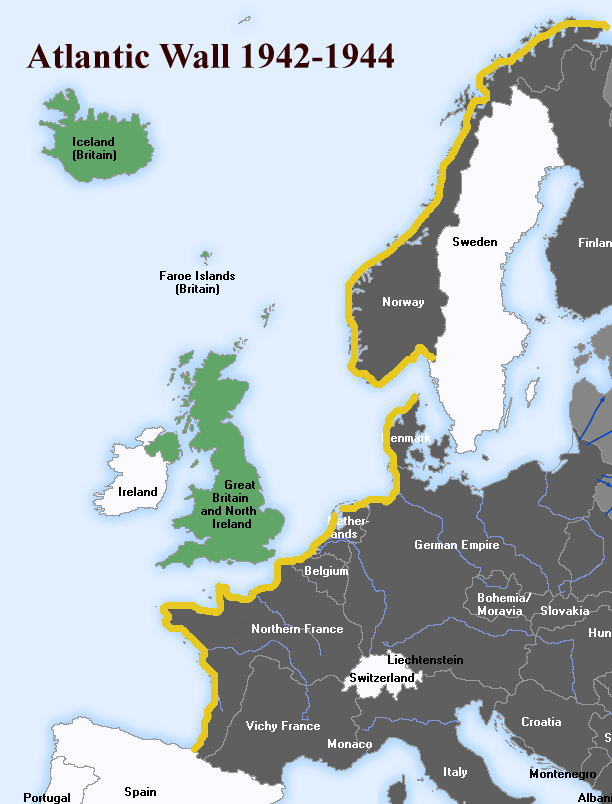
In 1942, with the threat of an Allied invasion looming, Adolf Hitler ordered the construction of one of the largest military fortification systems ever built. Known as the Atlantic Wall, it stretched more than 3,100 miles along Europe’s western coastline, from the Spanish border to northern Norway. The network included massive concrete bunkers, coastal batteries, and countless other fortifications built to defend Nazi-occupied Europe from an attack by sea. Over 80 years later, remnants of the Atlantic wall remain scattered along the coast of Europe but many have been swallowed by the sand or sunk into the sea. However, some have been converted into museums, such as the Hanstholm Fortress.
Shortly after German forces occupied Denmark, they began constructing fortifications along the country’s north and west coasts. In November 1940, construction started on a massive coastal battery at Hanstholm, then a quiet and isolated fishing village with a population of just 800 people.
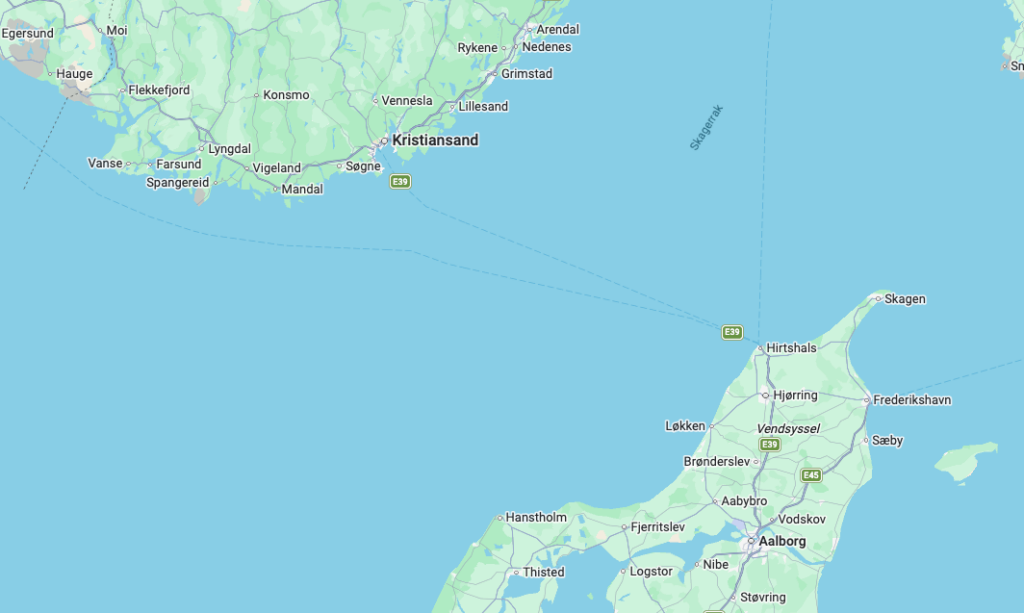
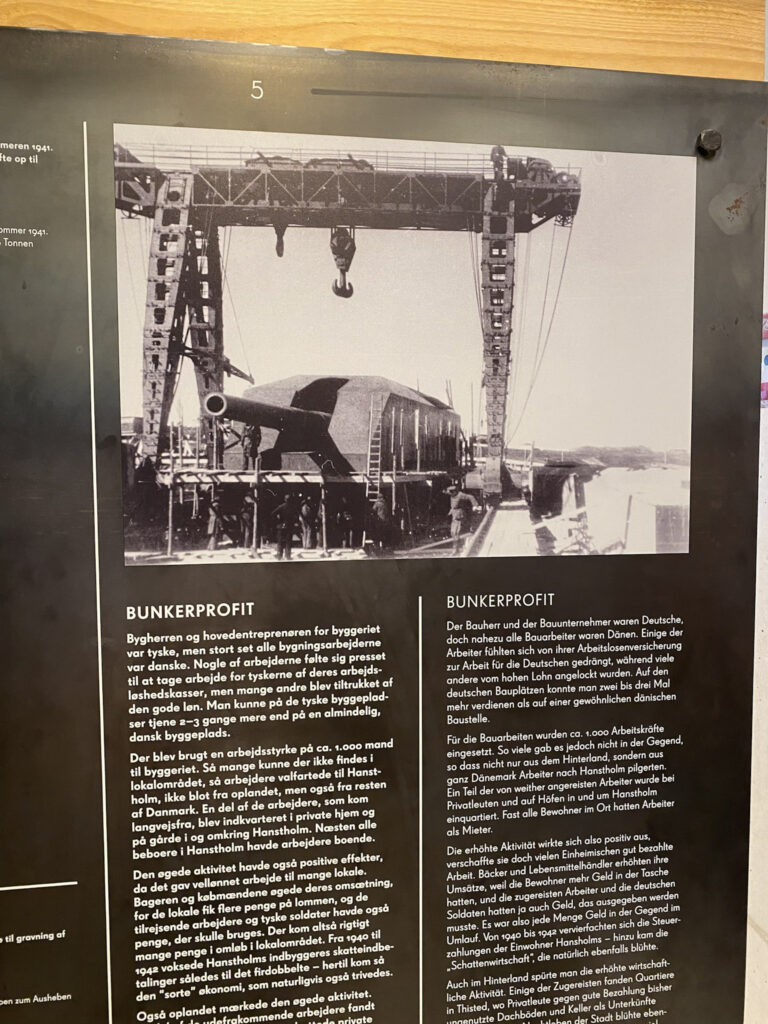
Over the next several years, Hanstholm was transformed into one of the most heavily fortified locations on Hitler’s Atlantic Wall. While approximately 6,000 bunkers were built along the Danish coast of the Atlantic Wall, more than 400 were concentrated in Hanstholm alone. Thanks to its strategic location overlooking the Skagerrak Strait, Hanstholm Fortress became the largest coastal fortification in Northern Europe and played a crucial role in Germany’s coastal defense strategy during World War II.
Early in the war, the German Army held a significant advantage in ground combat over the relatively small British Army. At sea, however, the Royal Navy remained a formidable force. To protect Germany from a potential British naval invasion, the Germans focused on controlling the waters leading from the North Sea into the Danish straits, which provided access to the Baltic Sea and Germany’s northern coastline.
To defend this critical maritime gateway, Germany constructed two massive coastal gun batteries—one at Hanstholm in Denmark and another on the southern coast of Norway in Kristiansand, called Battery Vara (which is also now a museum). Working together, these powerful fortifications could fire across much of the narrow stretch of water between the two countries, creating a formidable defensive barrier designed to deter Allied naval forces from entering the Baltic.
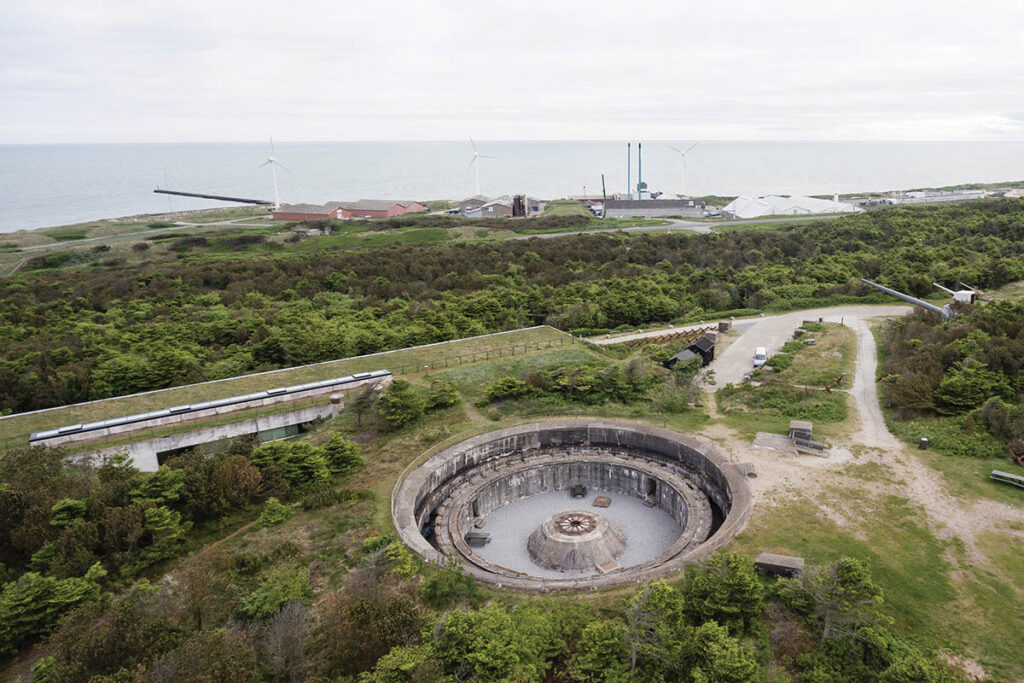
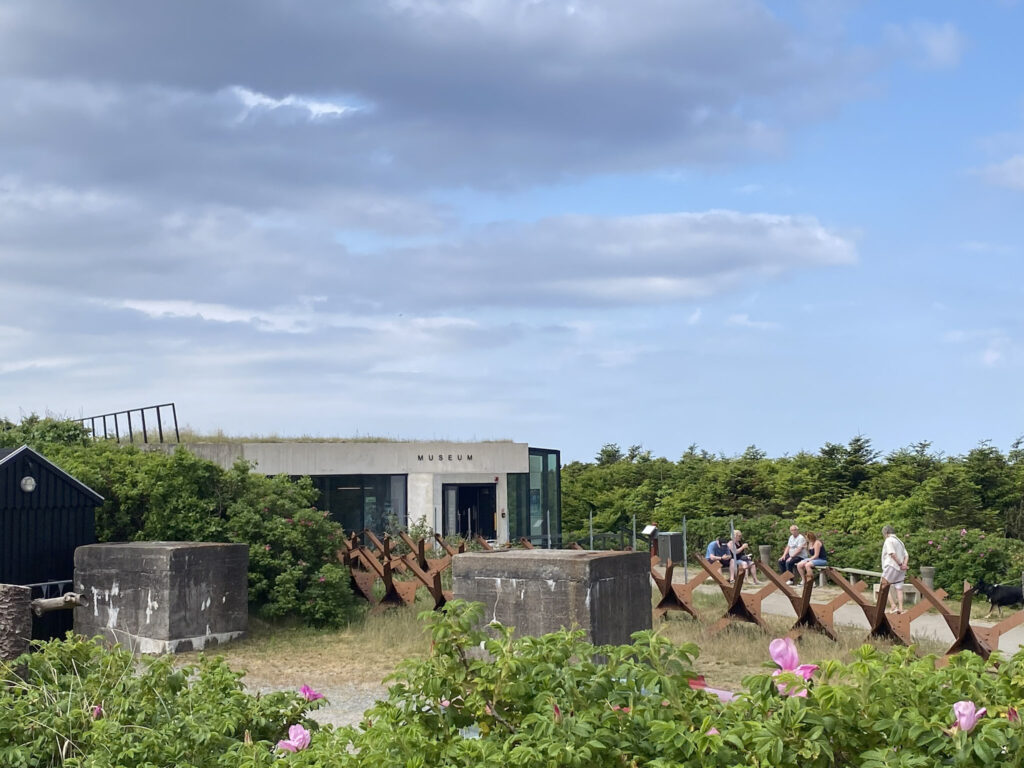
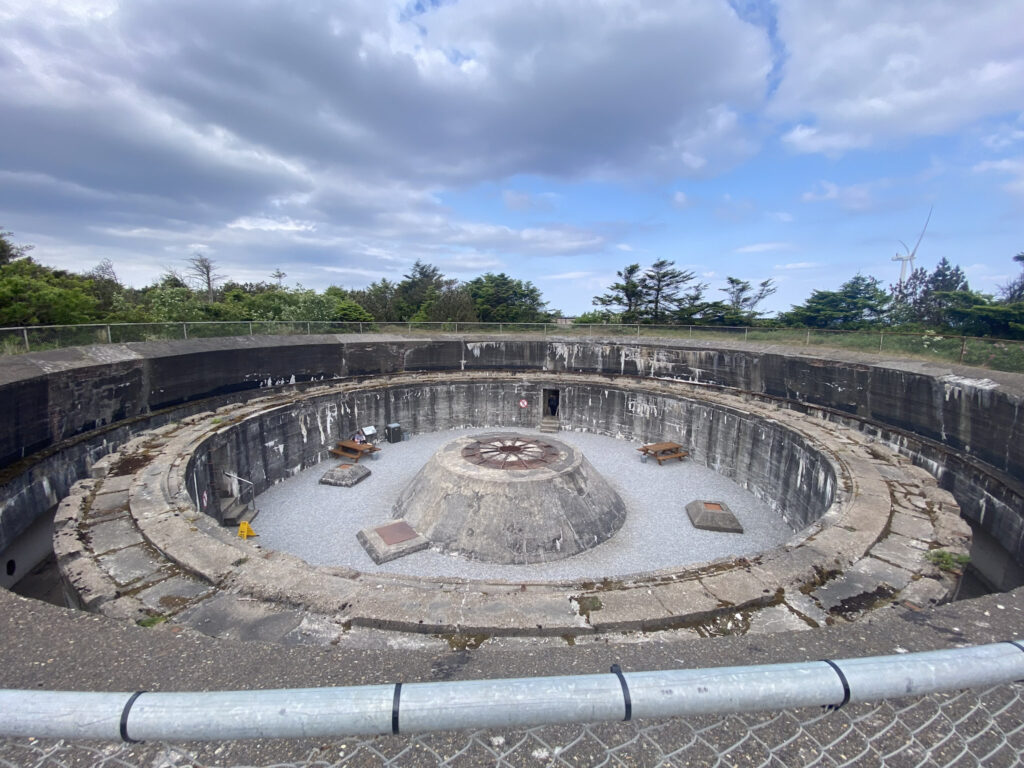
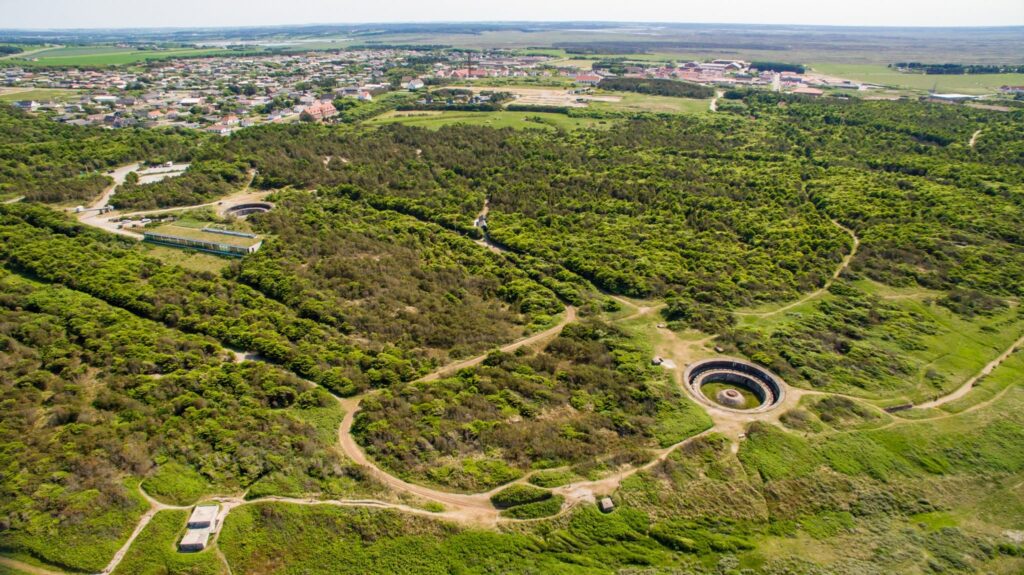
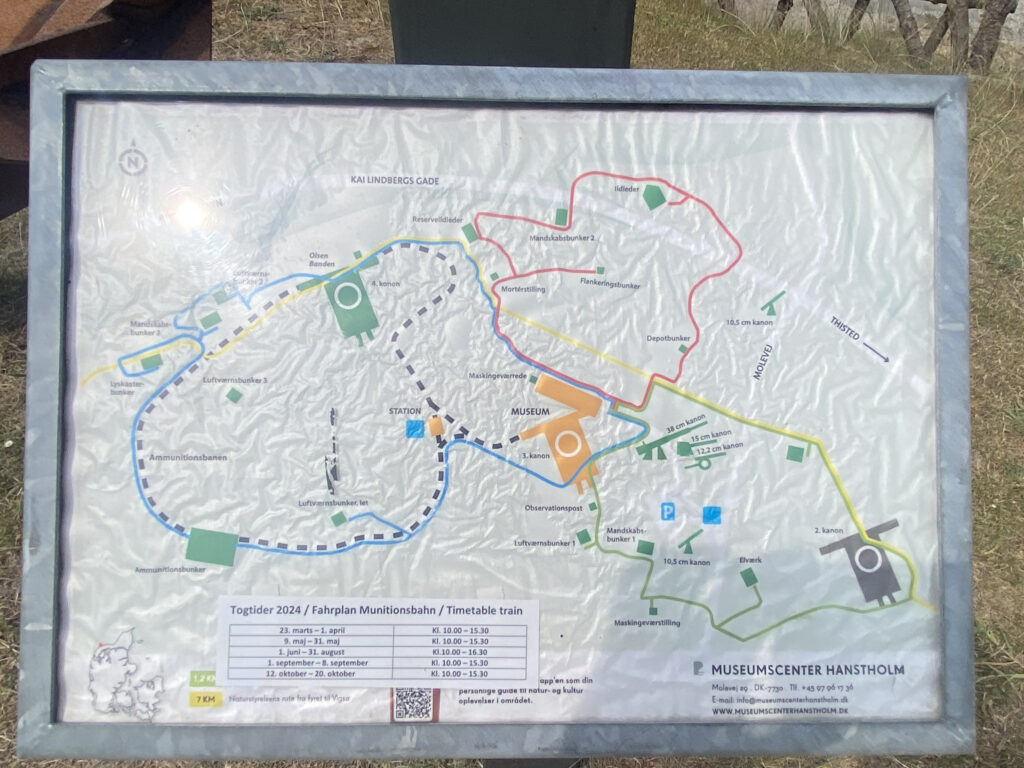
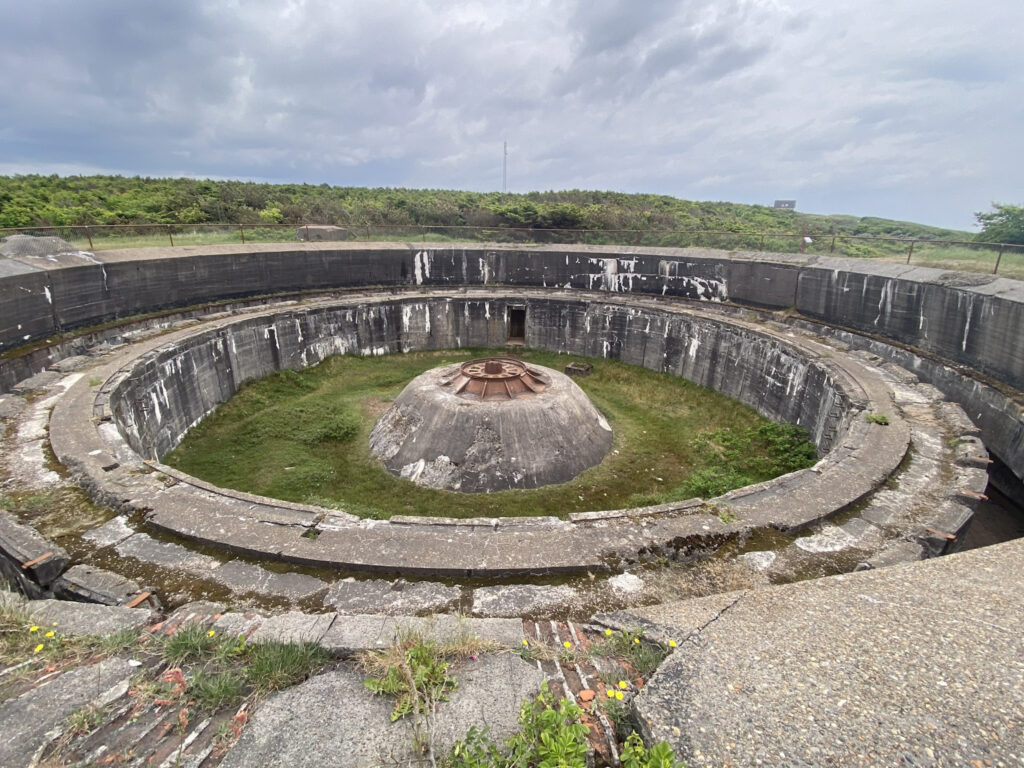
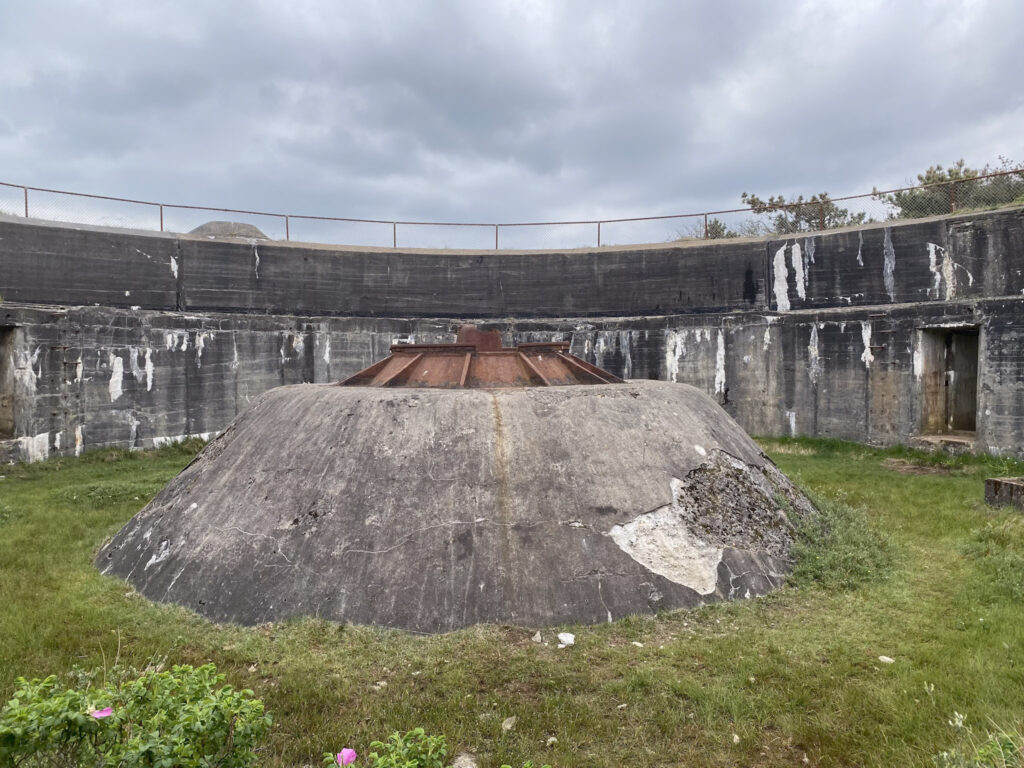
Today, the Hanstholm Bunker Museum is the largest World War II museum in Denmark. The museum is divided into three main parts – the cannon bunker (the large circle you see in the photo above), the museum building which houses a variety of exhibits and artifacts from the war (the long concrete slab you see to the upper left of the cannon bunker) and a 50-acre open-air museum that features about 25 open bunkers you can explore on your own. It also has a functioning railway you can take a ride on.
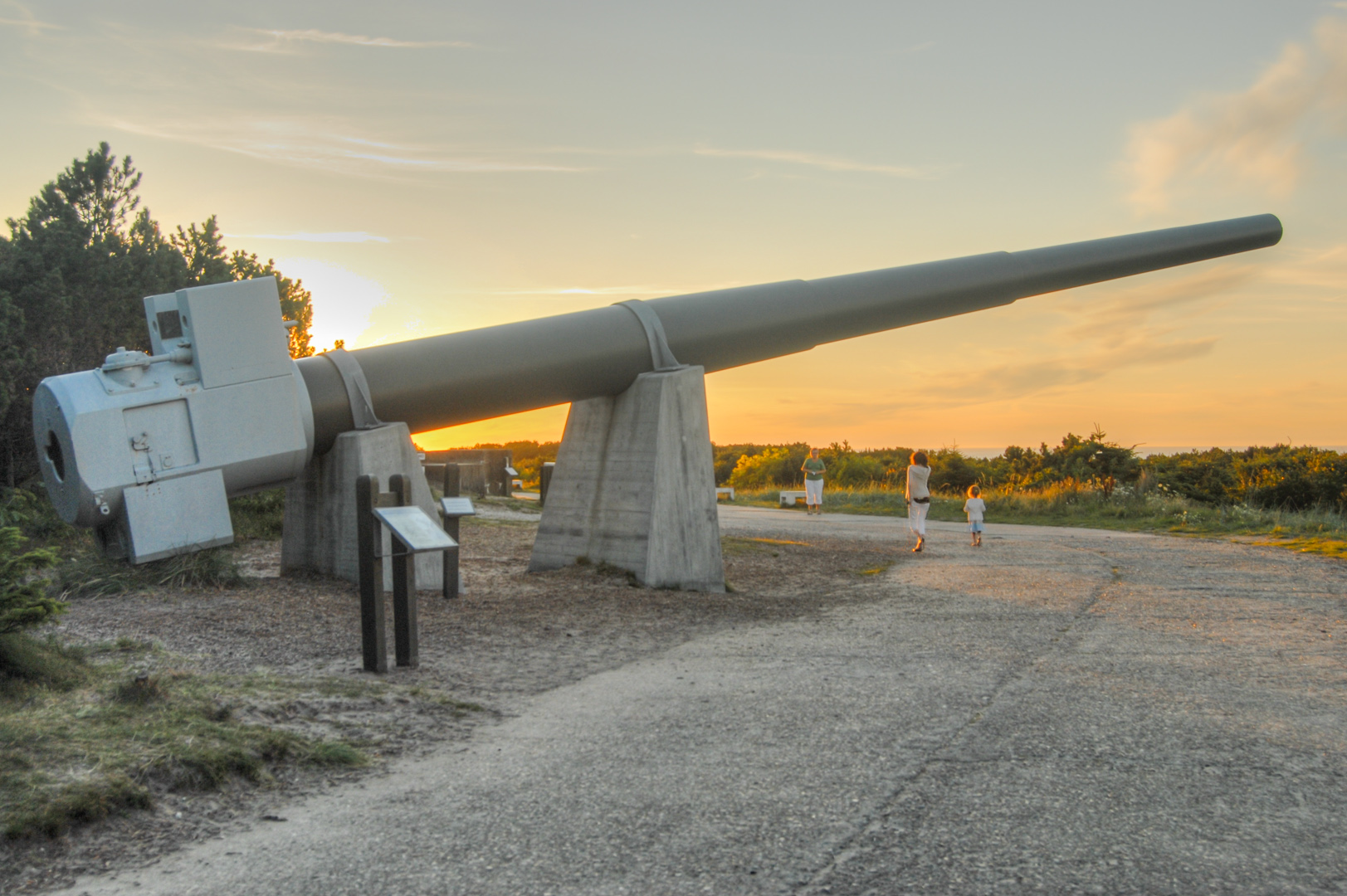
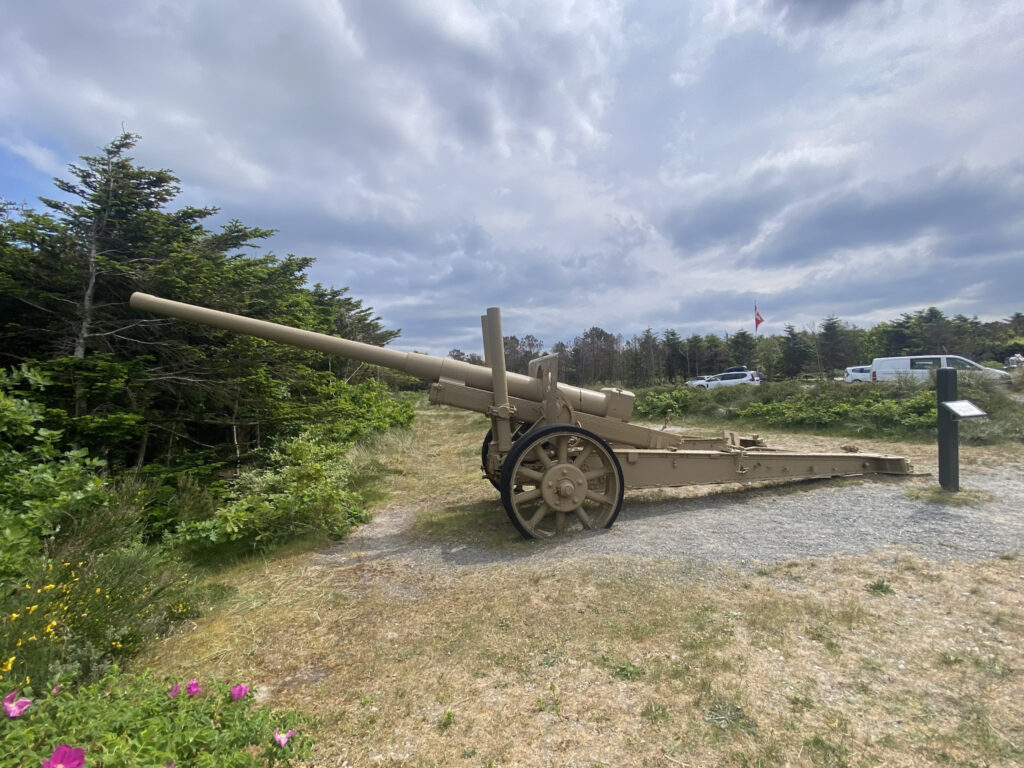
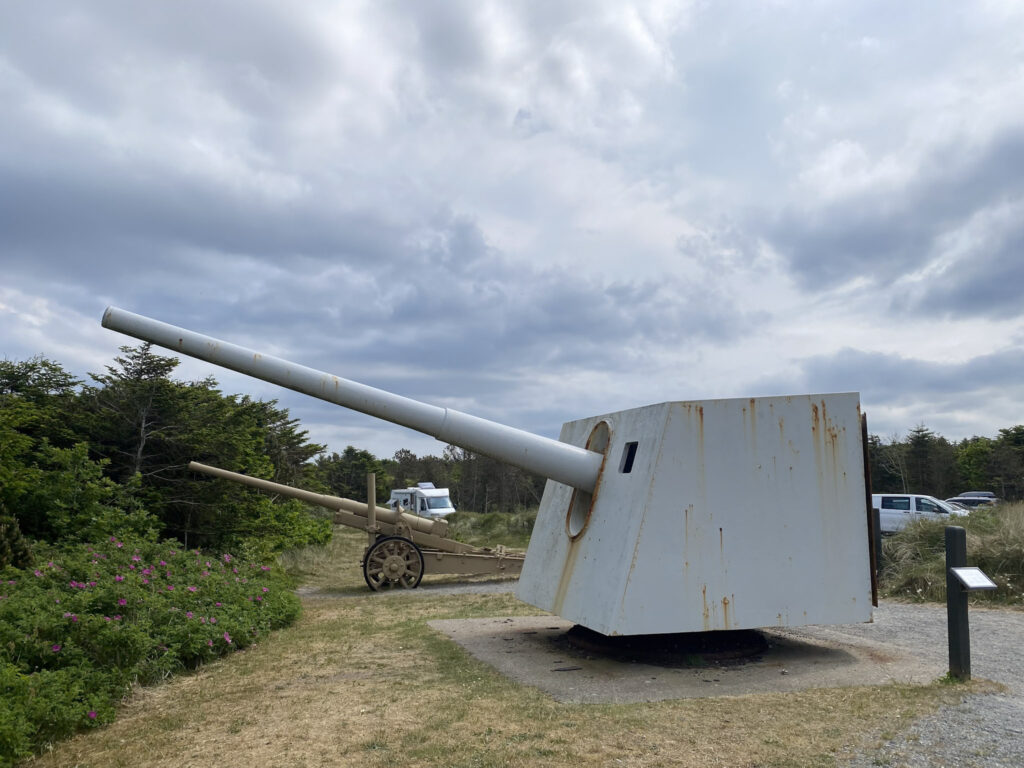
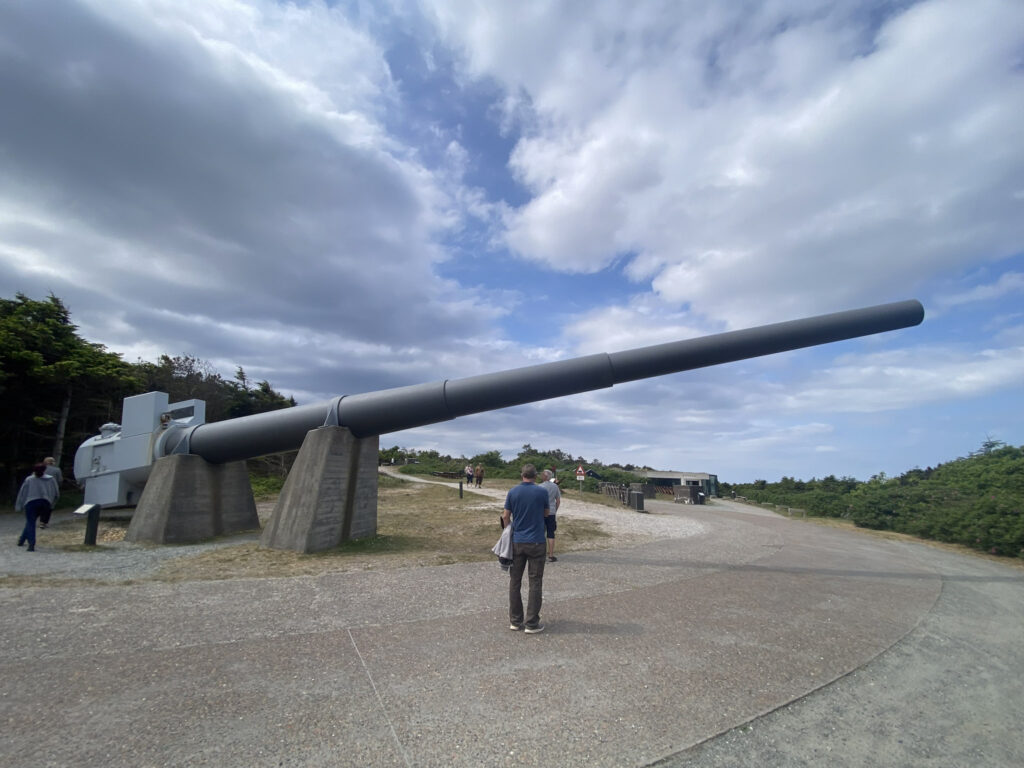
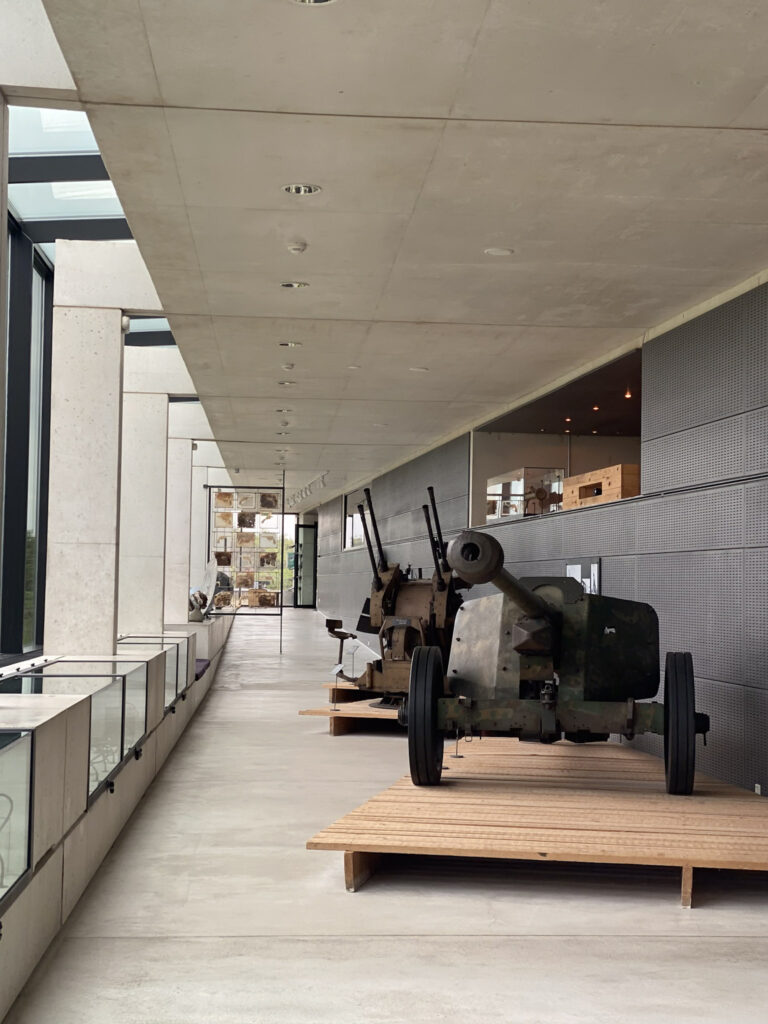
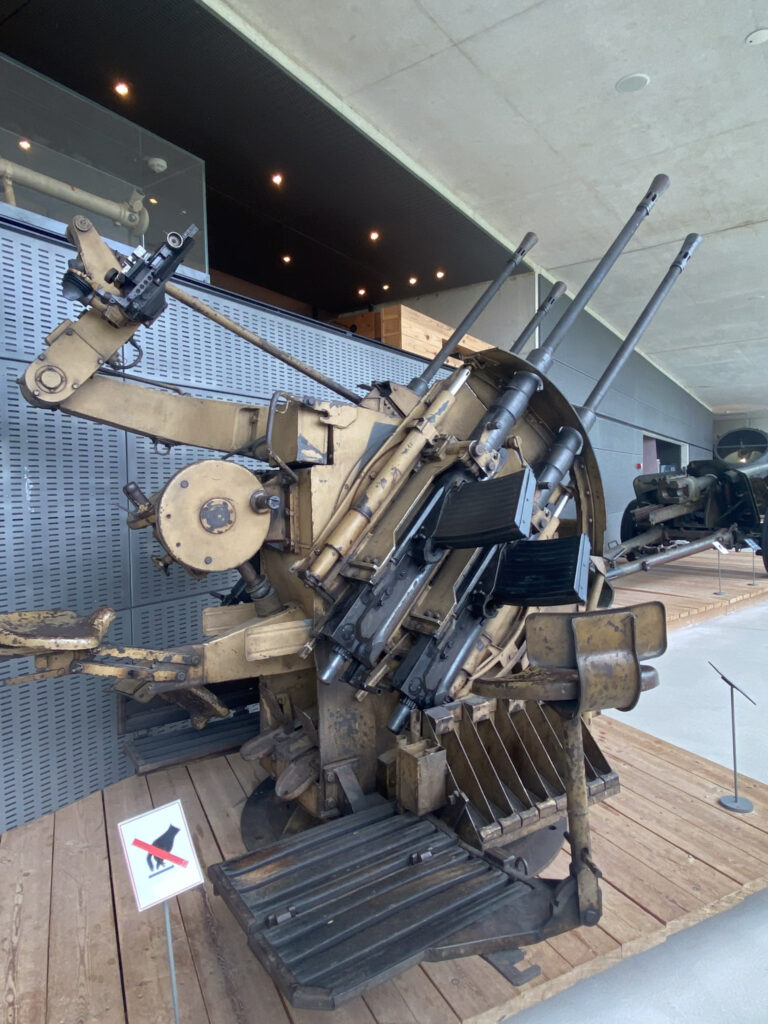
As you walk from the parking lot to the museum the first thing to catch your eye is a collection of guns, including a gigantic model of the 38cm gun barrel that used to be installed here on top of the cannon.
After taking a look around the guns, you have the option of exploring the grounds first or touring the museum first. I suggest the touring the museum and bunker first, as it will give you historical context for all of the bunkers you can explore around the complex.
The Ammunition Train Ride
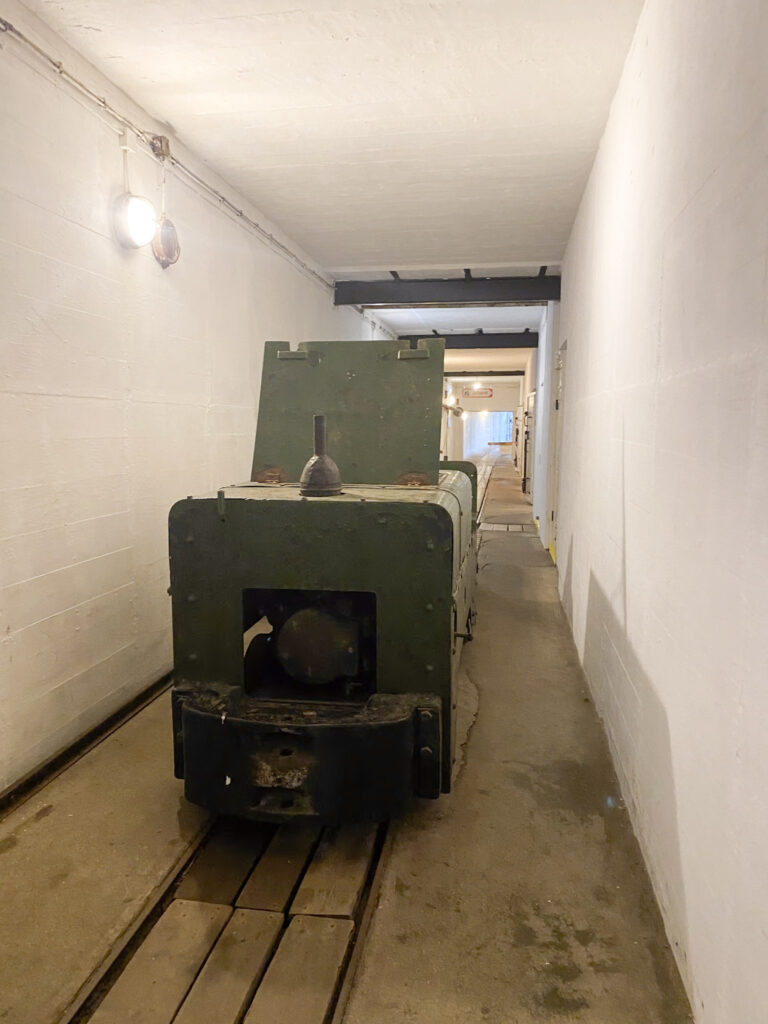
In typical fashion, I did not do too much research before going to the museum. All I knew was that Hanstholm had big guns, bunkers and was tied to World War II history. So when Peter asked if I wanted to take a ride on a train that went through some of the munitions bunkers I started walking even before I knew what direction I had to go in. I live for things like this!
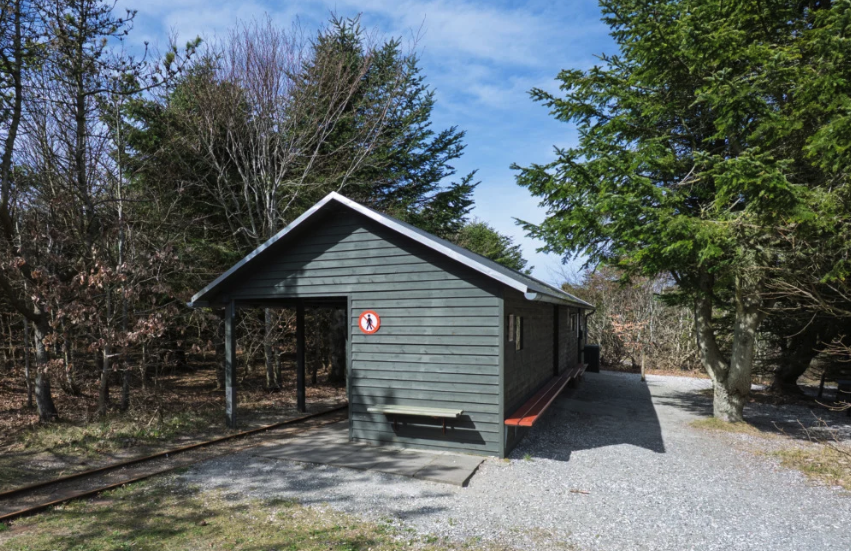
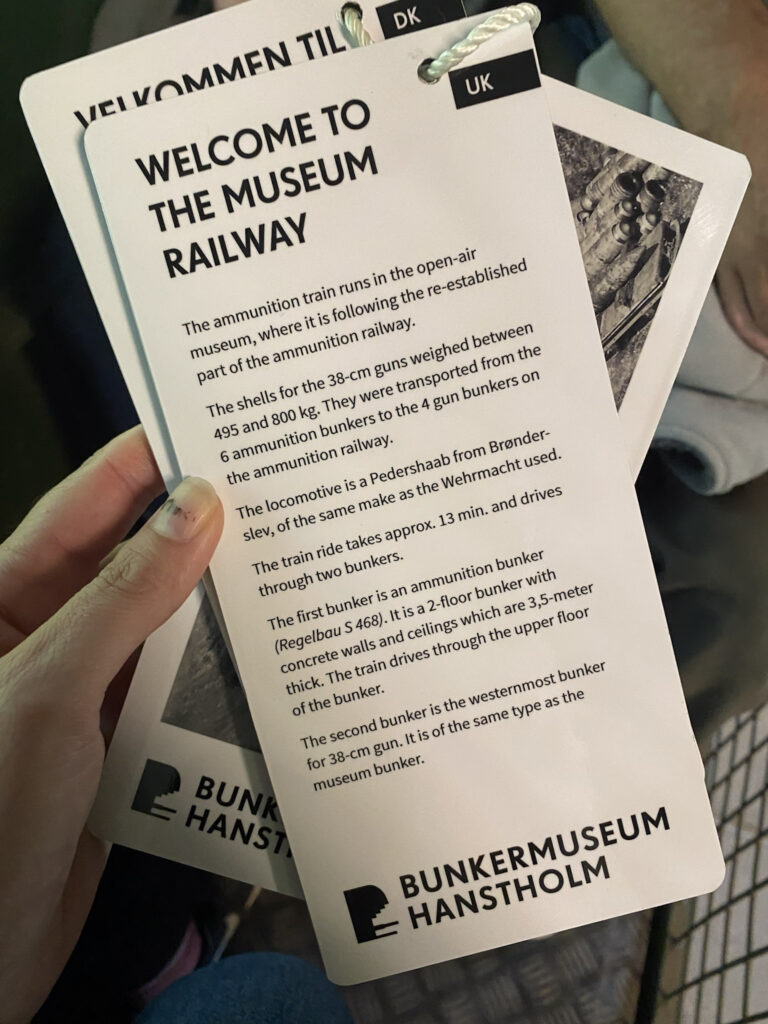
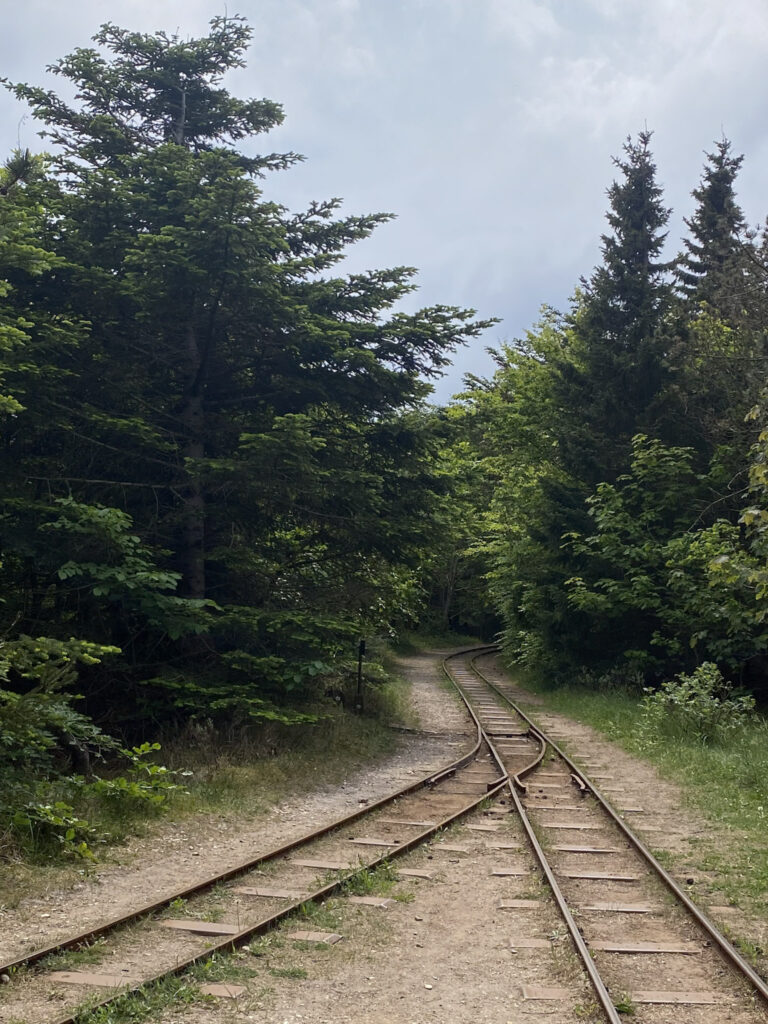
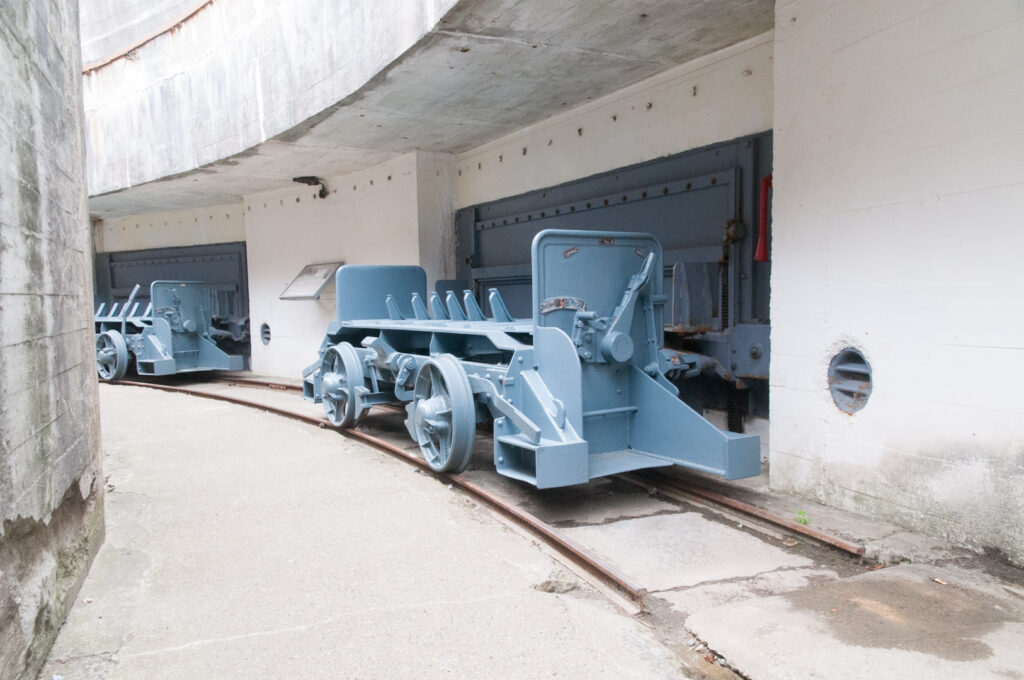
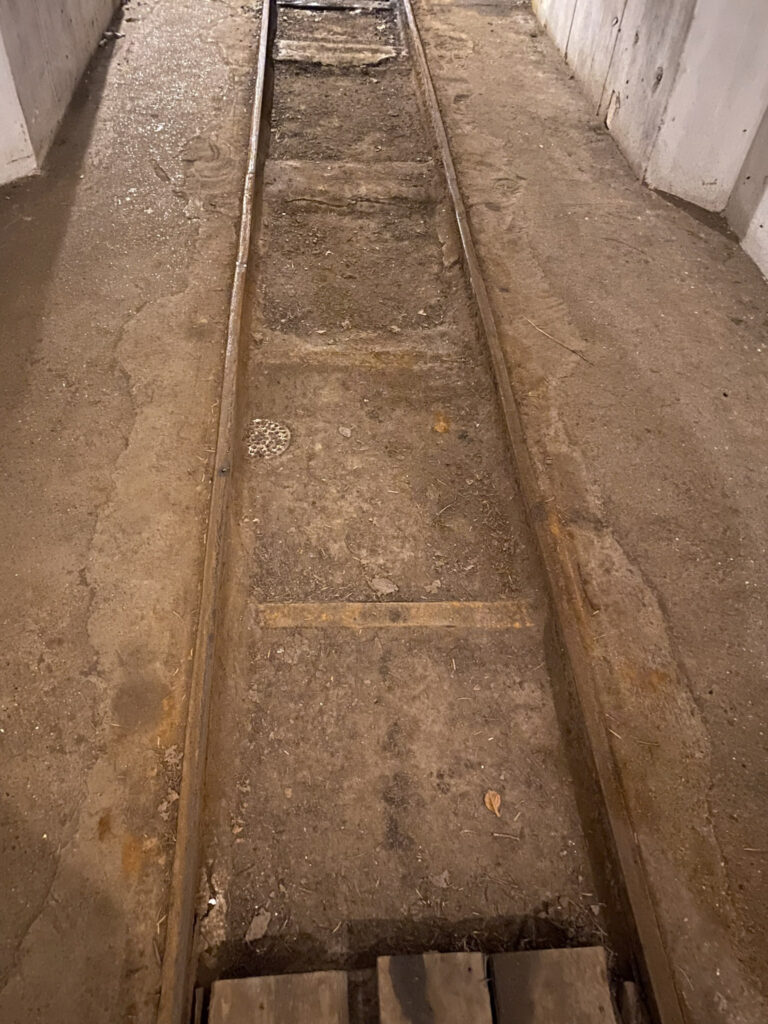
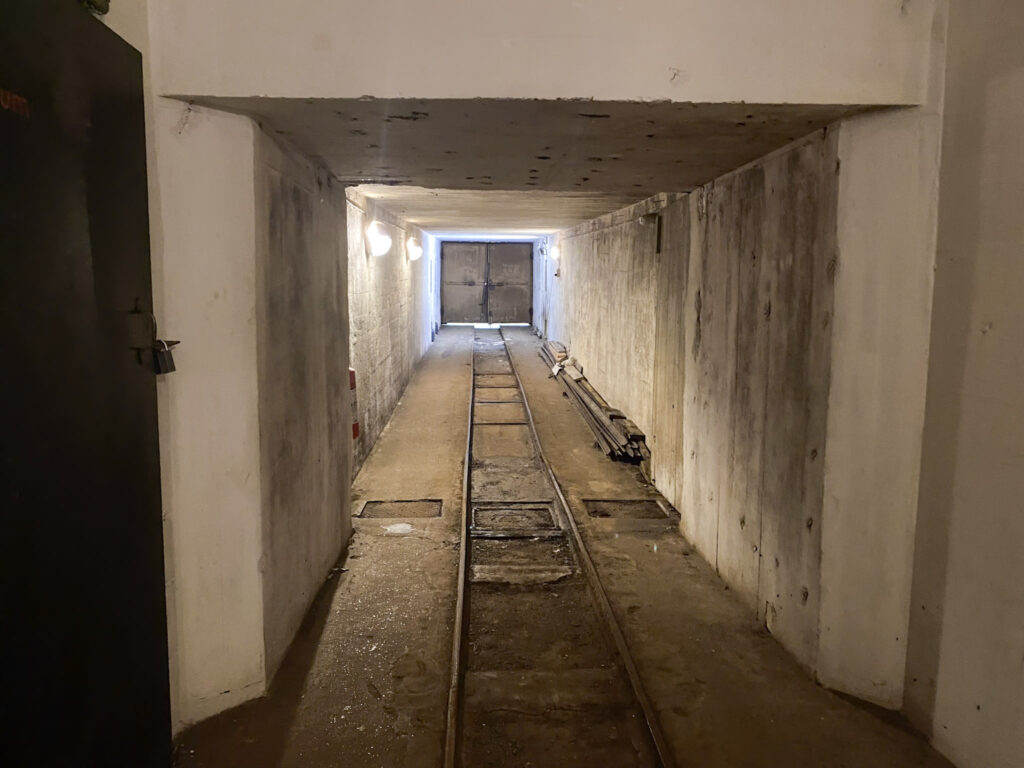
The ammunition train is basically a half-mile restored circuit from one of the original tracks they used back in the day. The huge 38cm guns had massive, heavy ammo that couldn’t be transported by handcarts, so they installed these tracks and ran tiny diesel locomotives to carry the munitions from the bunkers to the gun stations.
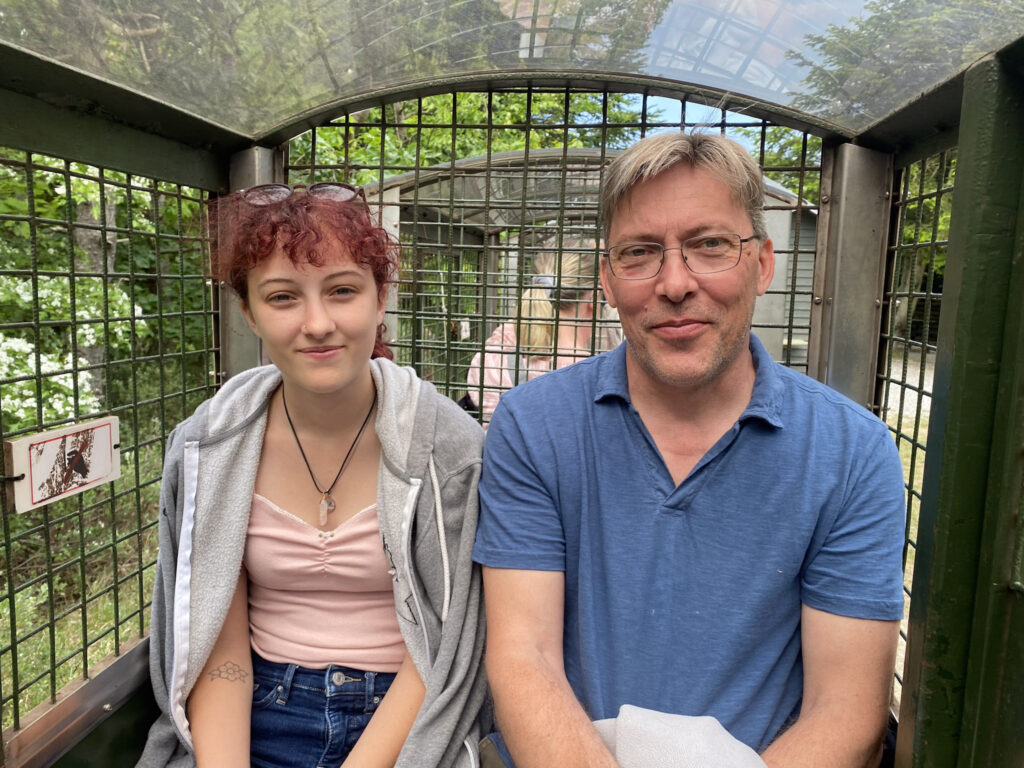
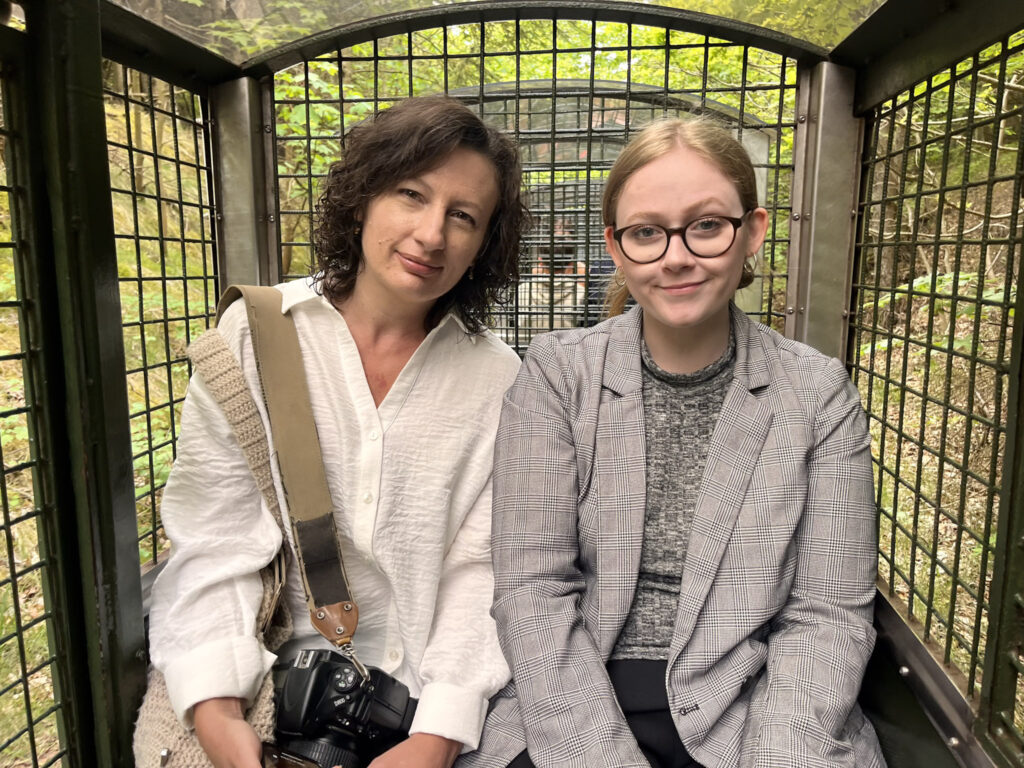
The 10-minute ride was pretty uneventful. It kind of felt like we were munitions being hauled between bunkers, which might have been the point. But it was cheesy fun all the same!
After the train ride we made our way to the museum.
Hanstholm Museum
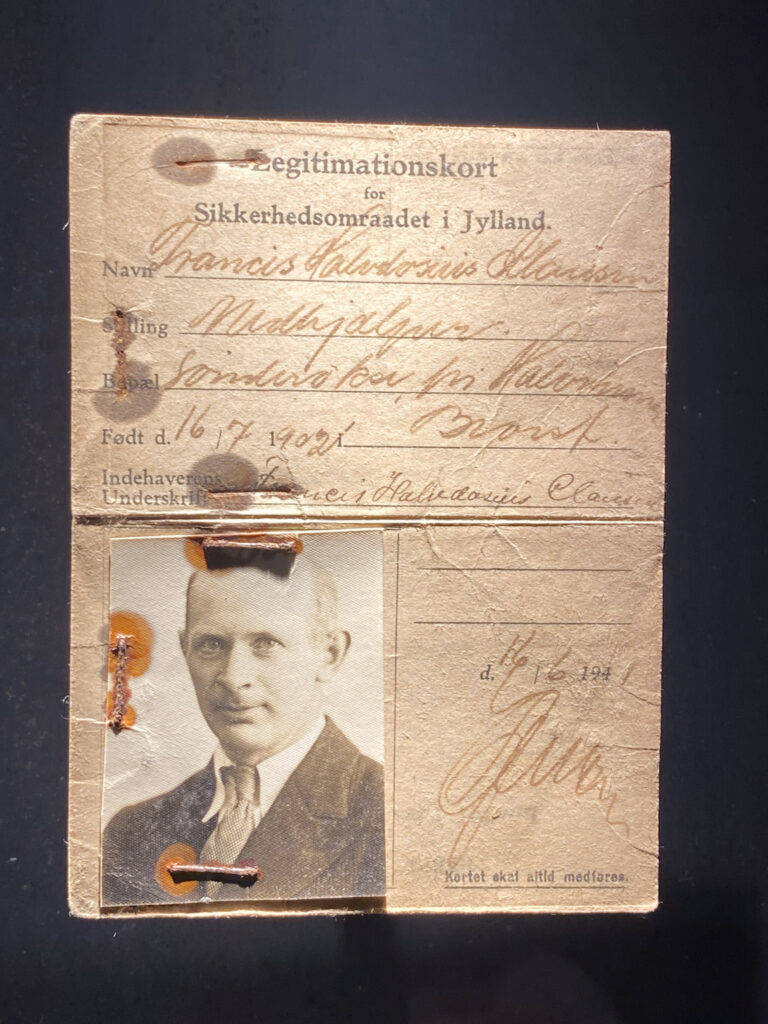
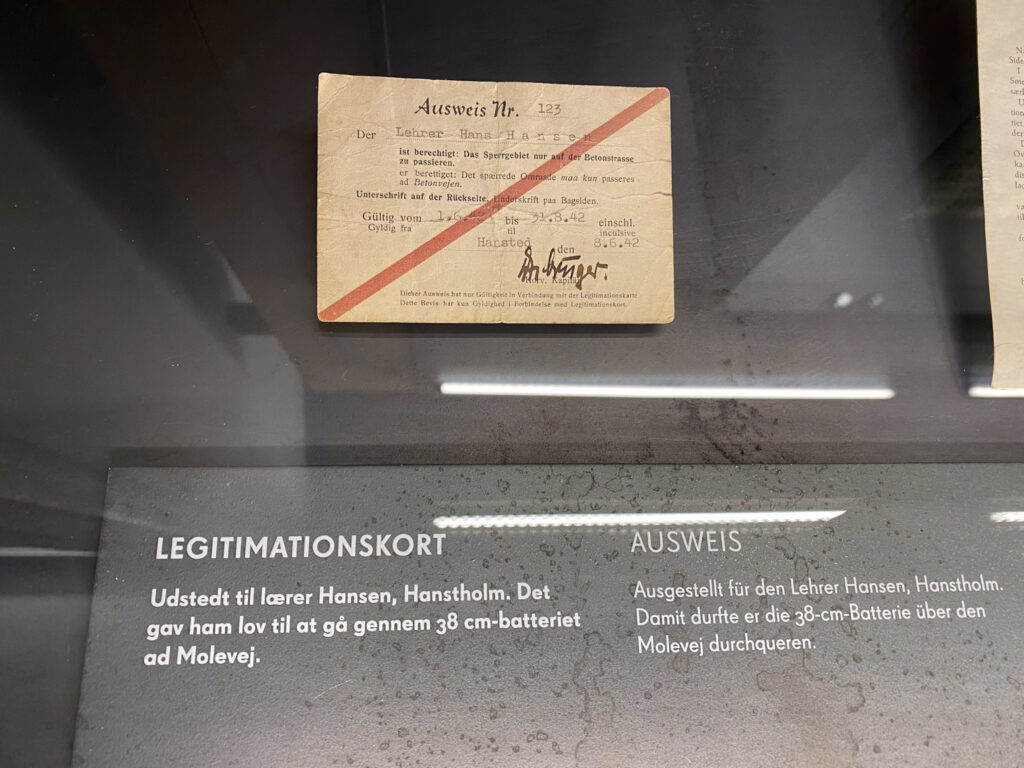
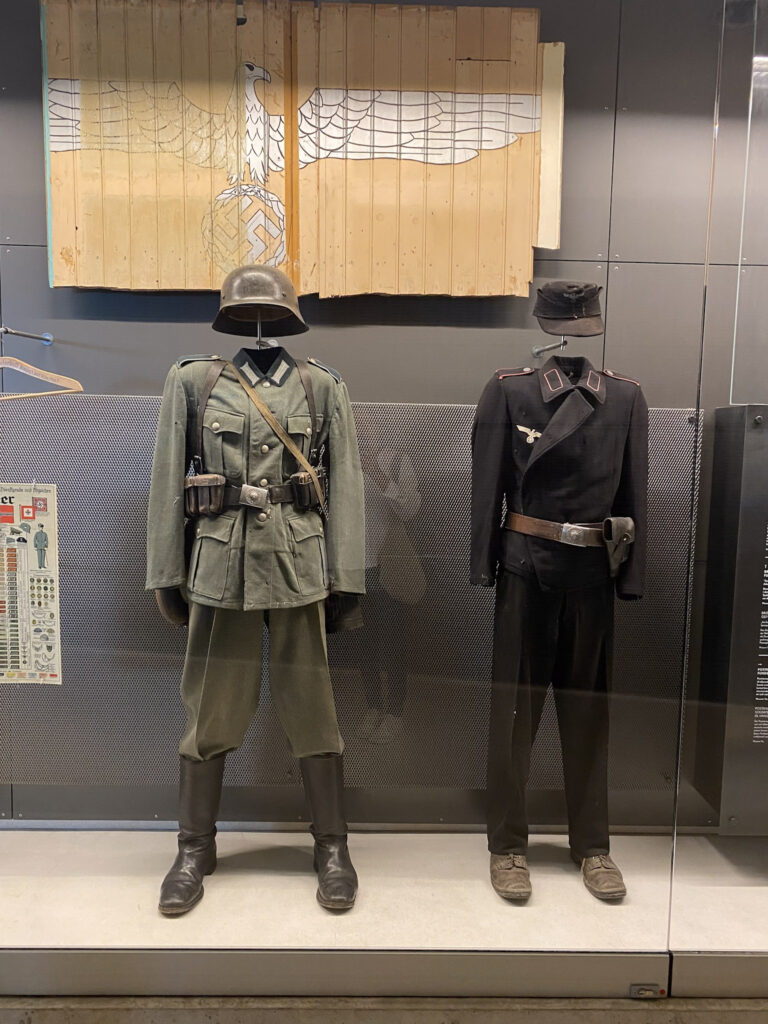
The museum is not big but is packed with information and exhibits so you do want to set aside a bit of time to take it all in and not rush through. The first section is called the Document Center, but don’t let the name fool you. It’s more than just papers to read. It houses two main exhibits which has a lot to look at. The first is called “Enemy and Neighbor,” which focuses on the occupation of Denmark, and the soldiers and civilians connected to the fortress complex and how they coexisted together.
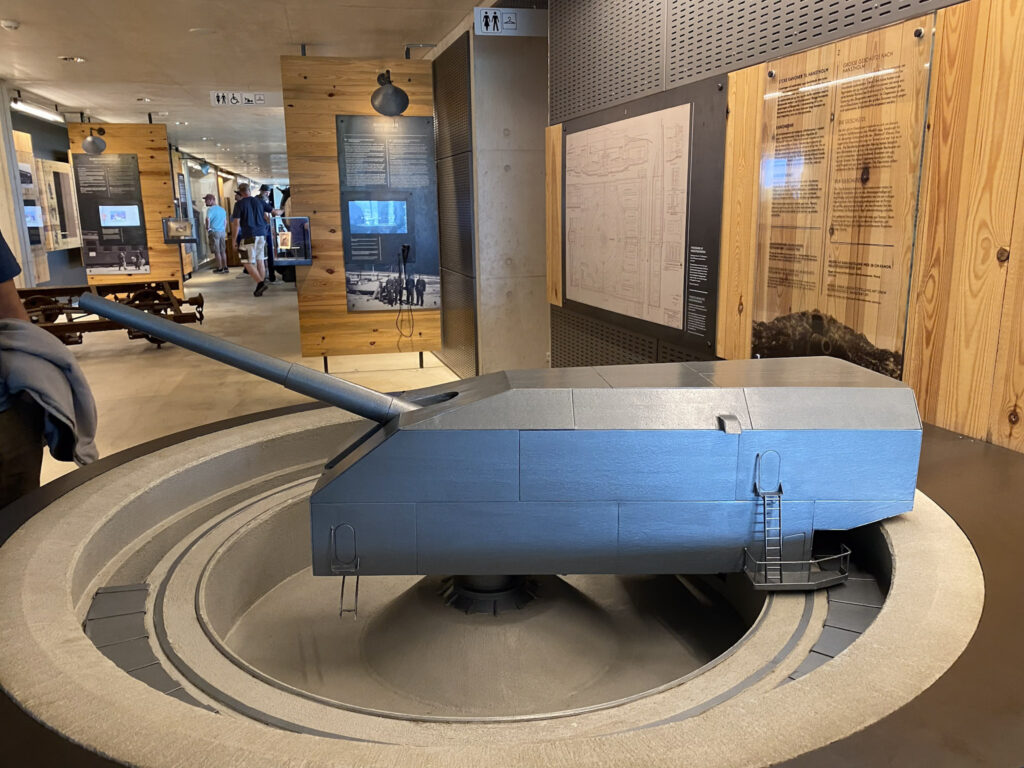
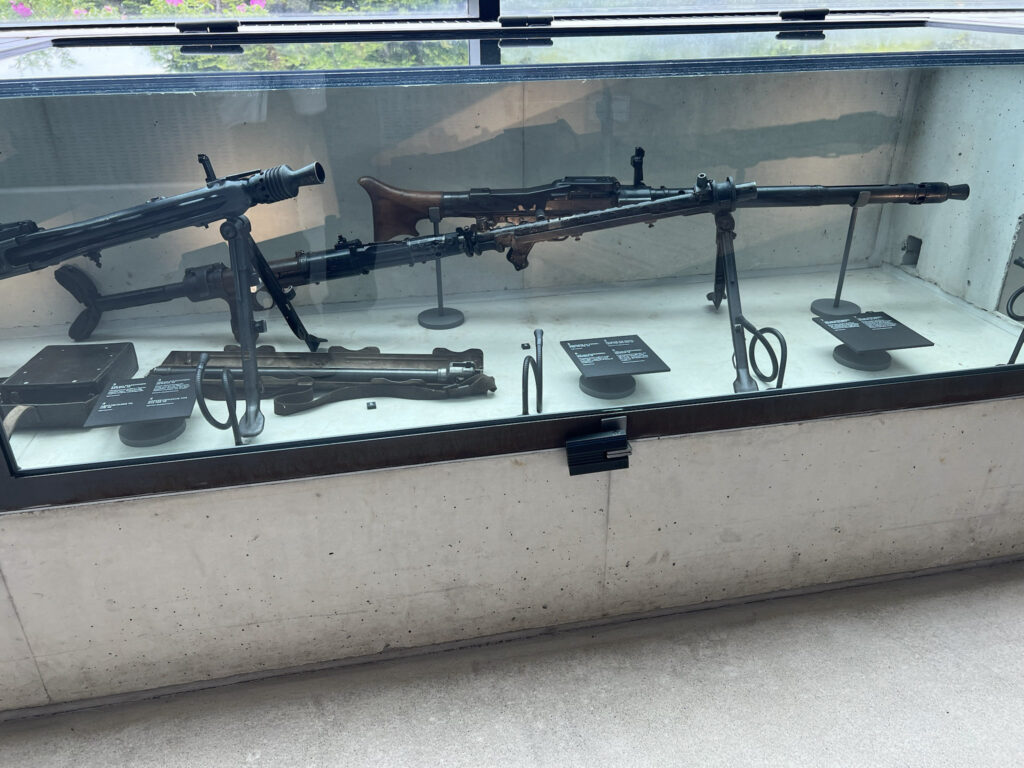
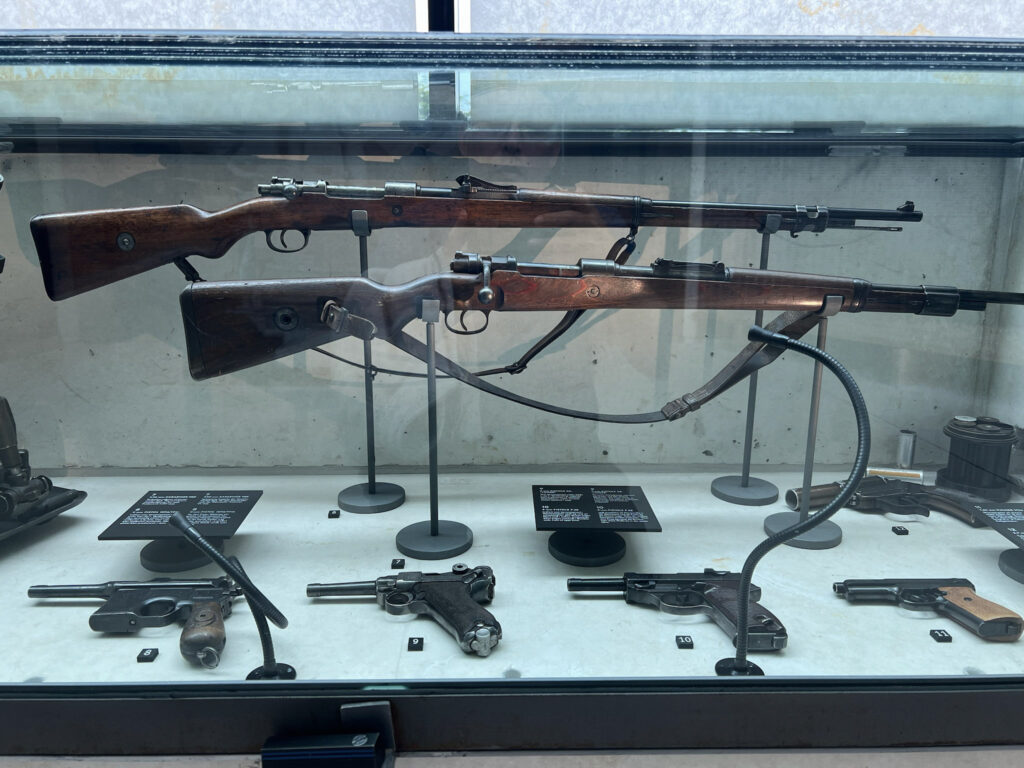
Now is where I should point out that unless you are fluent in Danish or German, you might not be able to figure out what you are looking at. There are no English translations on the displays. Luckily for me I am somewhat decent reading Danish and Peter was there to translate anything I struggled with. Sure, some exhibits like the uniforms, weapons, and the Hanstholm Battery model don’t really need much explanation, but you might want to make sure you have an app on your phone that will translate text from a photo. That way you can snap pictures of the information plaques and read them in English.
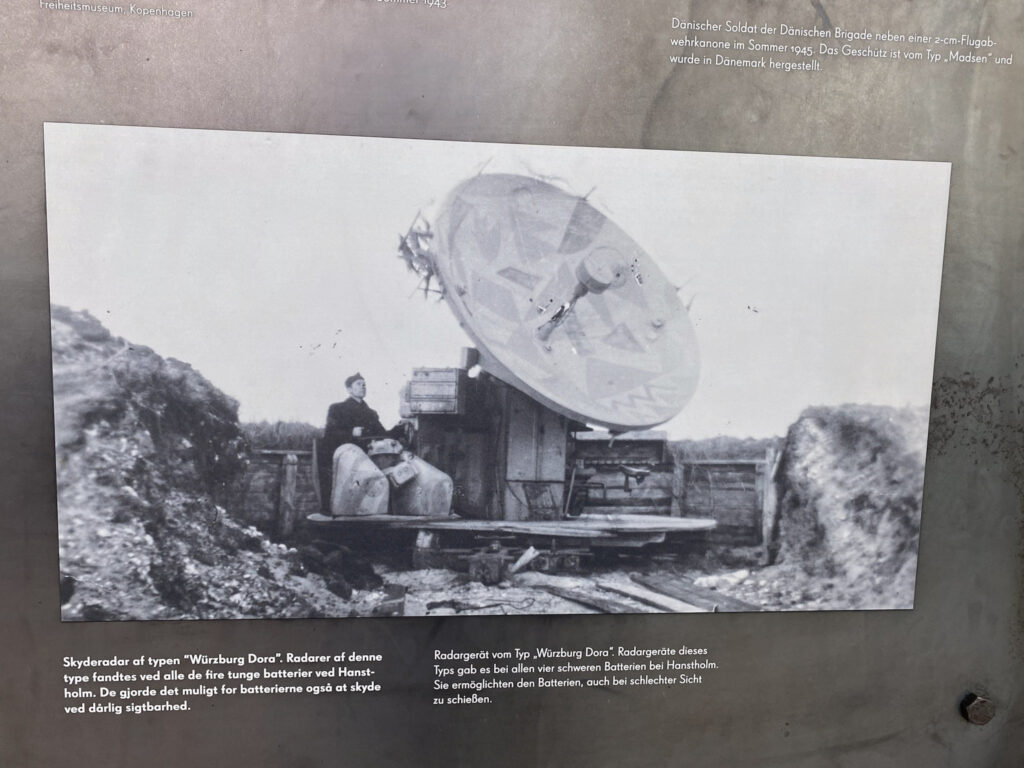
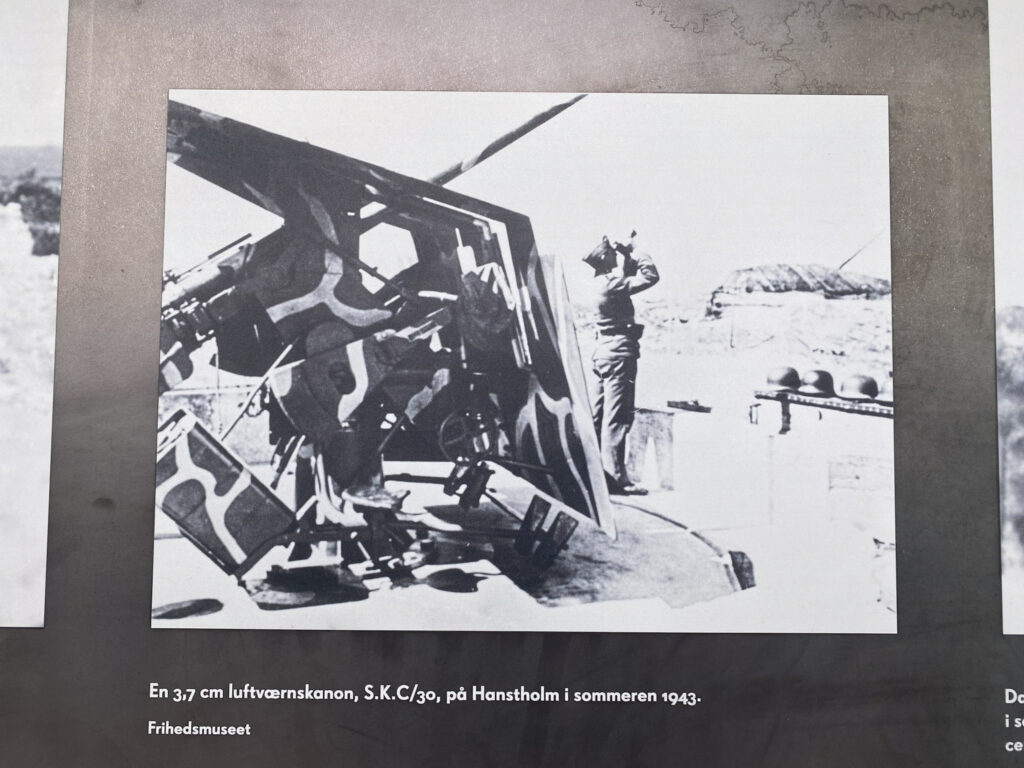
The second exhibit is called the “War Machine” and it focuses on the machinery and technology the Germans used at Hanstholm during the war.
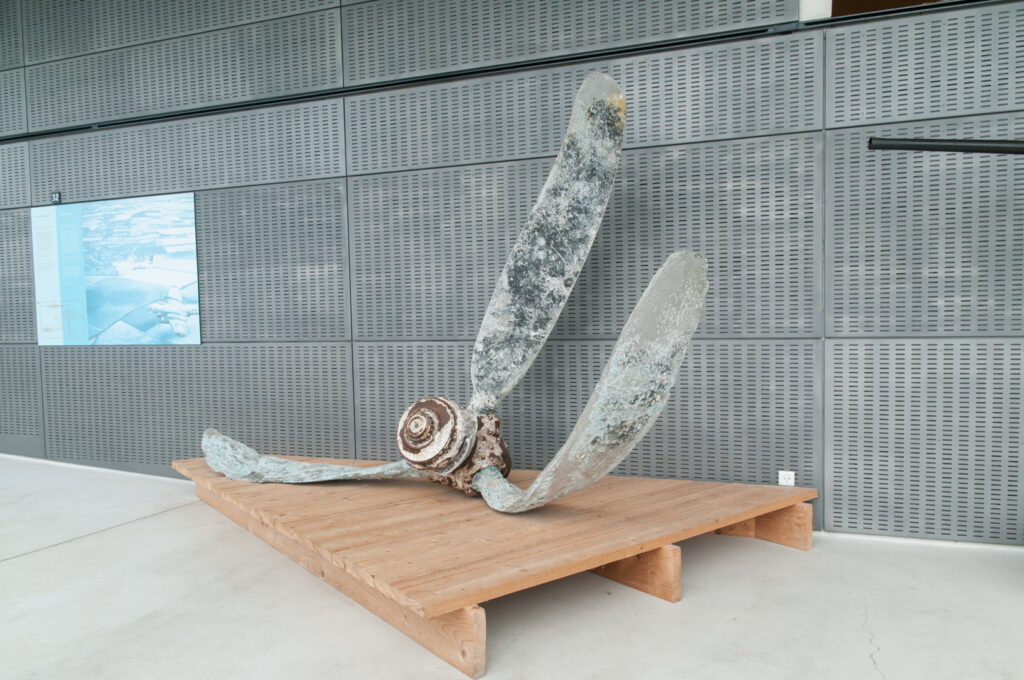
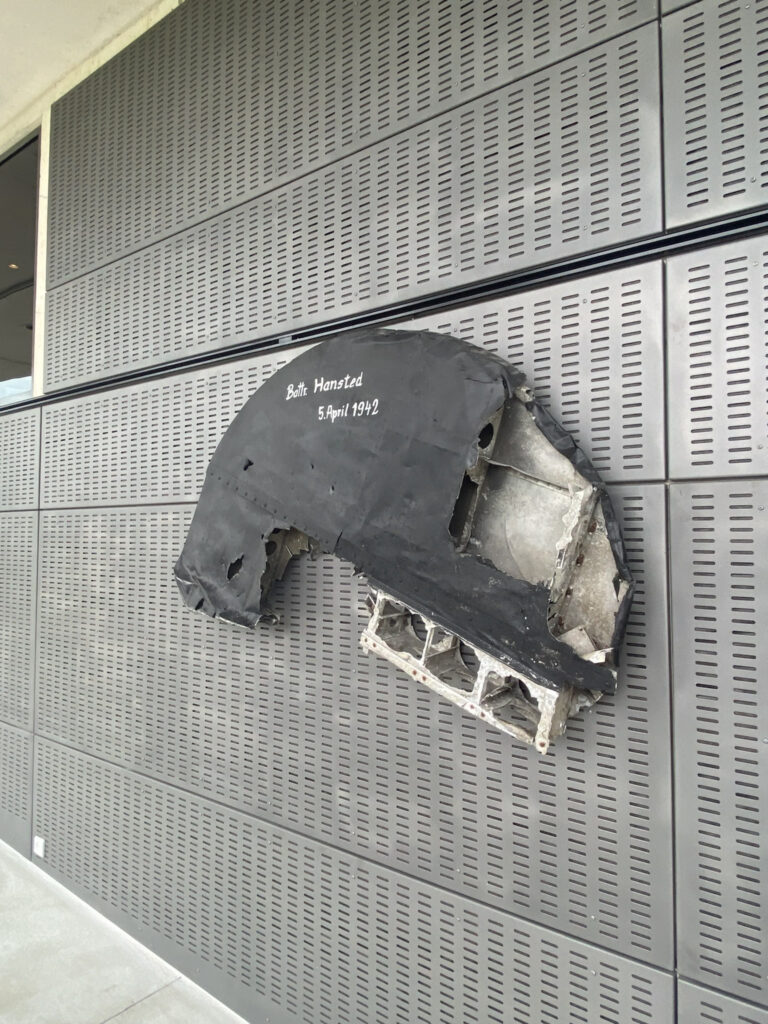
Also on display was a propeller from a B-17 bomber and part of the tailplane from a Lockheed Hudson bomber, both of which were shot down by guns at Hanstholm.
Hanstholm Museum Bunker
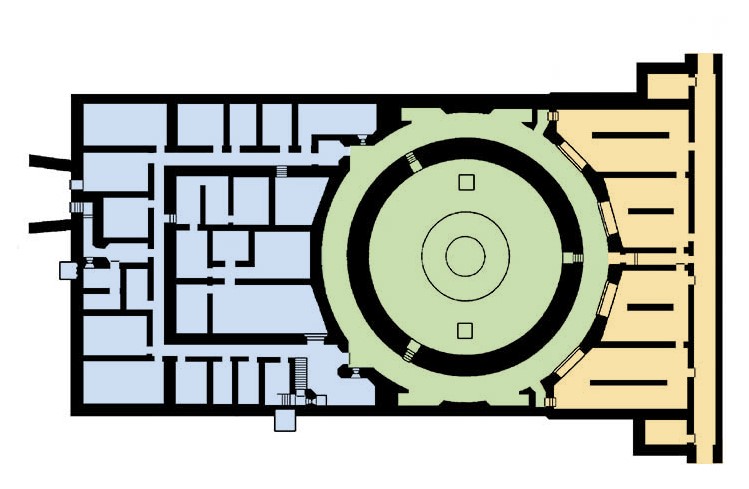
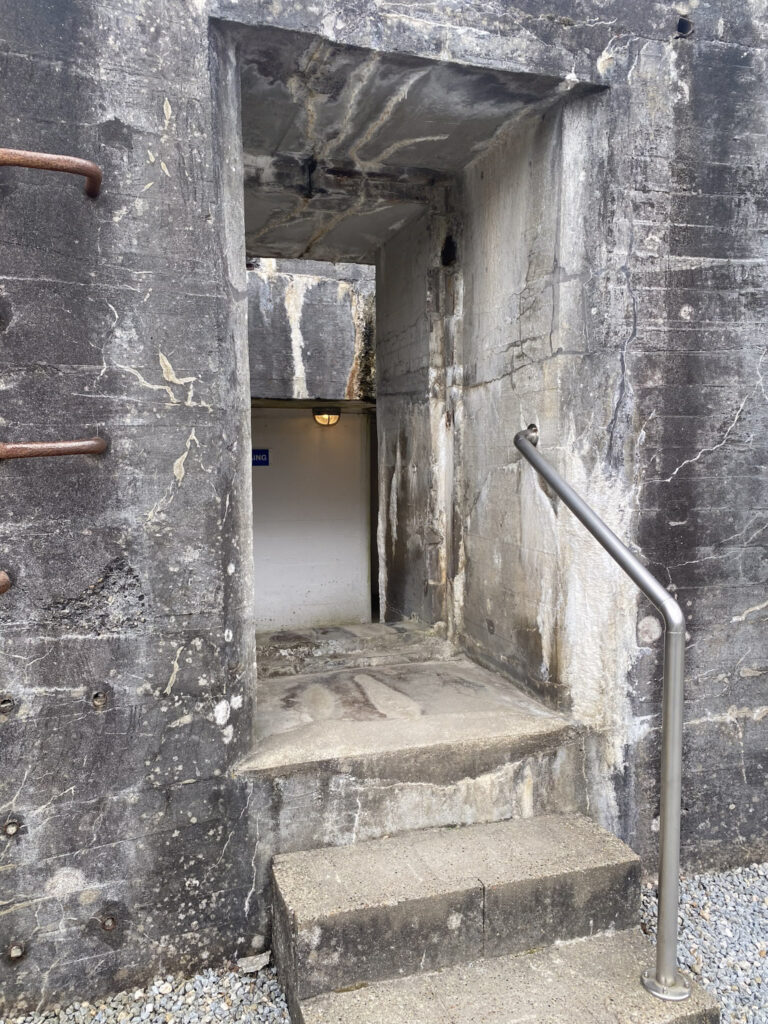
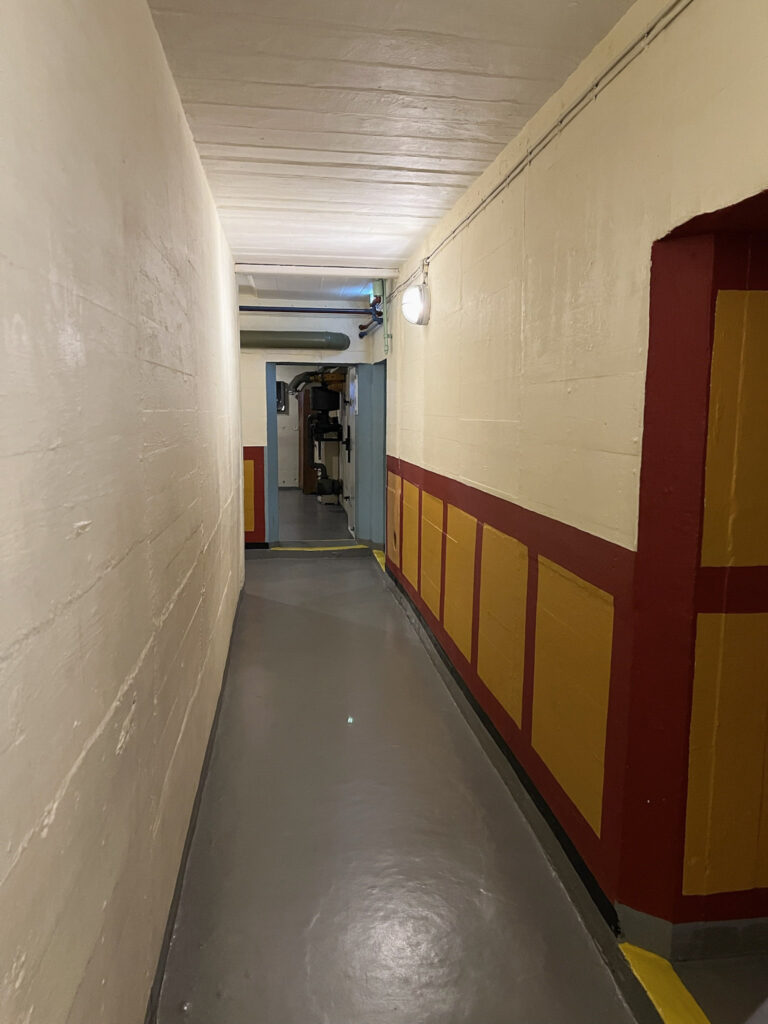
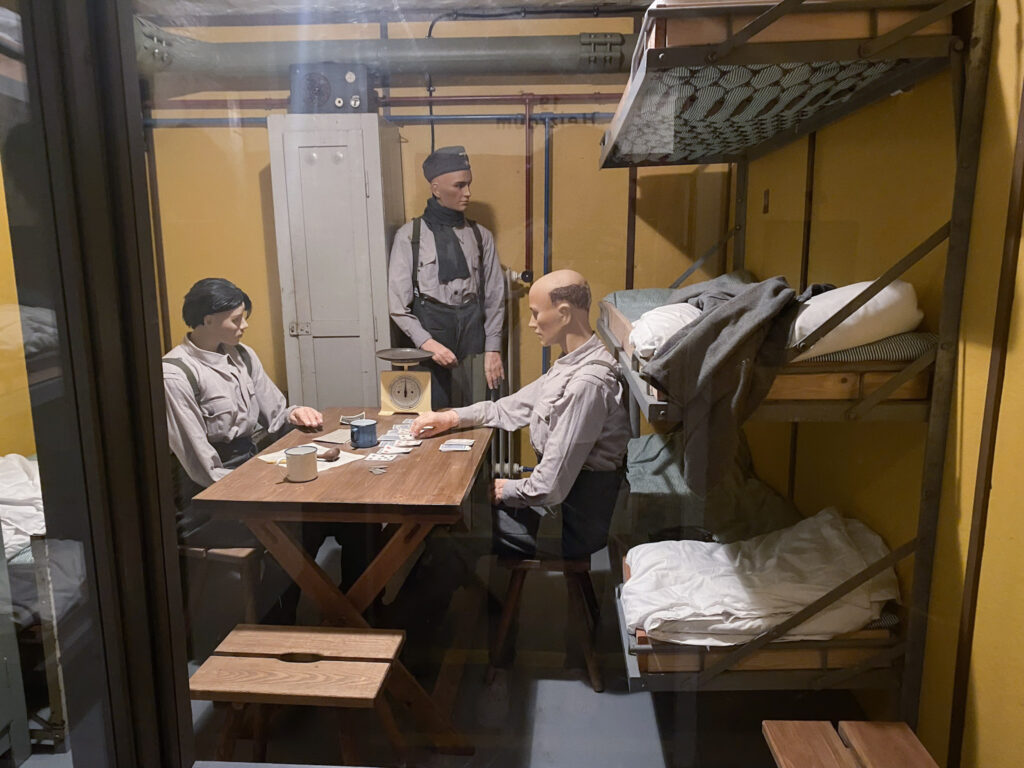
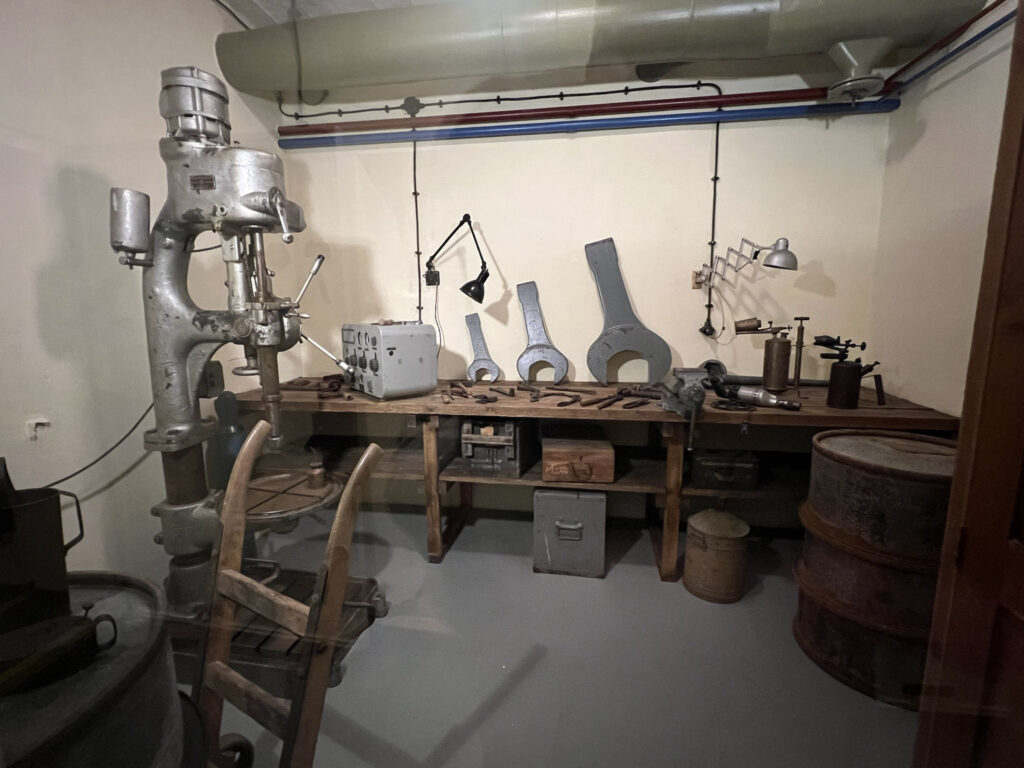
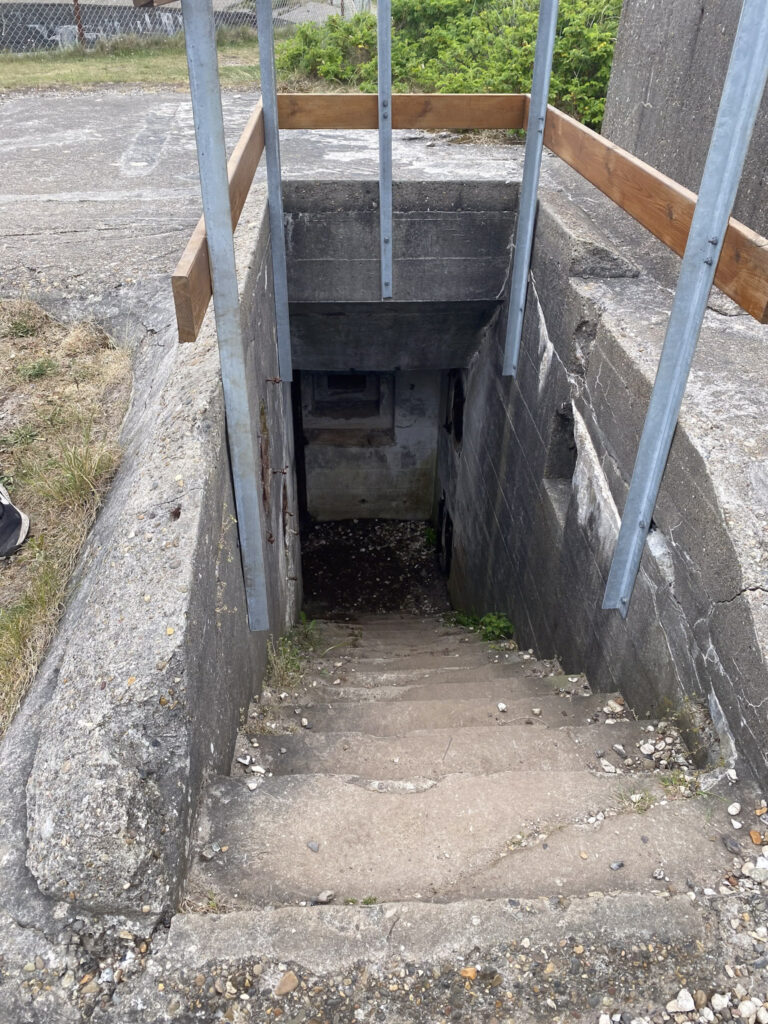
While the museum was interesting to spend time in, the most exciting part of the visit was walking through the bunker itself, which is accessible down a flight of stairs from the front of the museum. The bunker is divided into three sections: the ammunition rooms (yellow section on the map below), the large open gun pit (the green section on the map below) and the crew quarters and technical departments (the blue section on the map below). One cannon required a total crew of 90 soldiers, who all lived in the rooms underground. Many sections of the bunker museum were many reconstructed with original German equipment to recreate wartime conditions, which made the experience even more interesting.
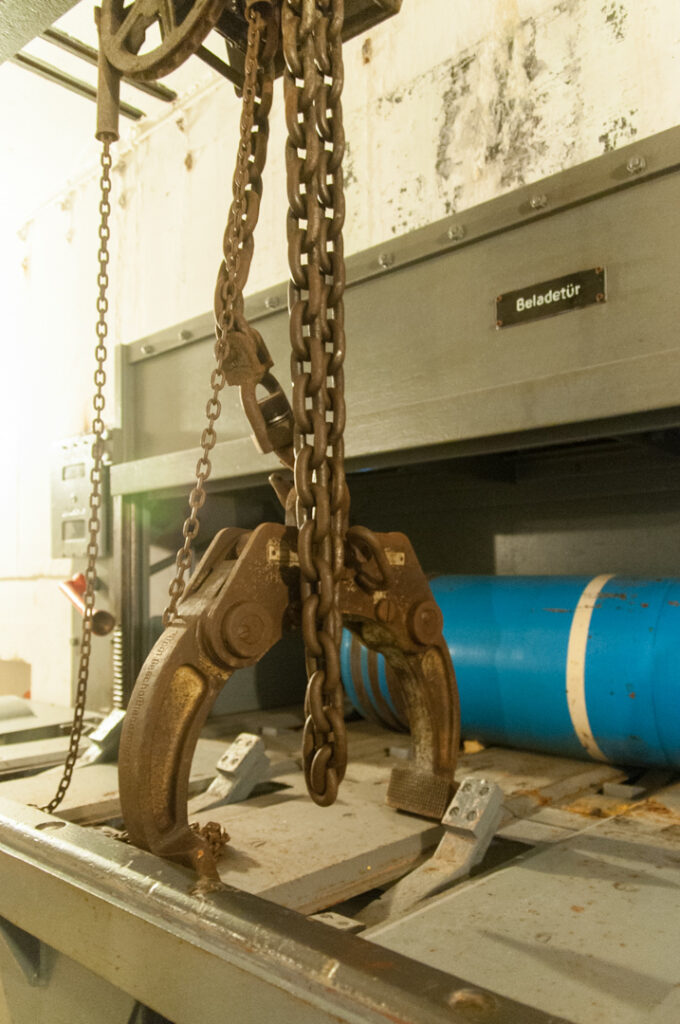
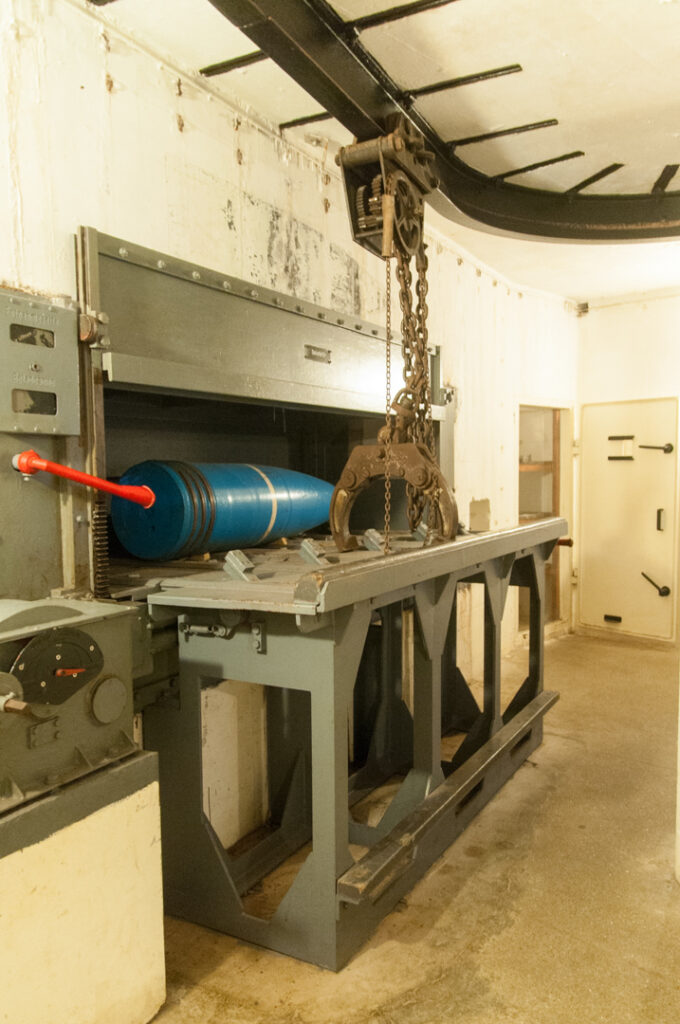
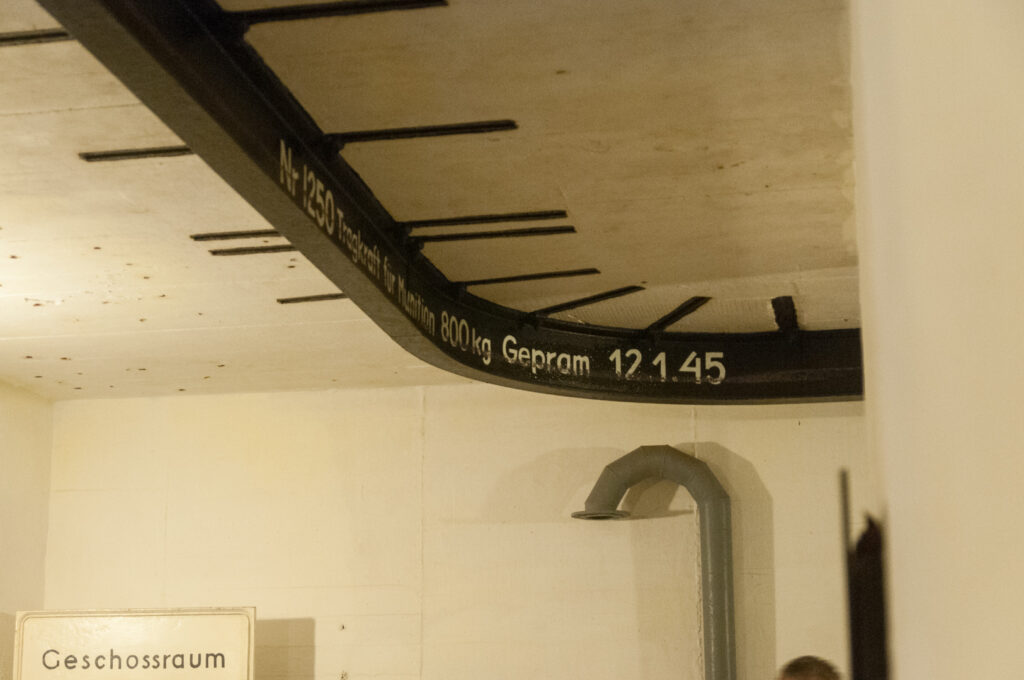
We first explored the ammunition rooms. There were two rooms for powder charges and two for grenades. The four large ammunition rooms had room for a total of approximately 100 38 cm shells and charges. The heavy shells and charges were moved around using heavy-duty hoists that ran on rails in the ceiling. It was pretty cool to see!
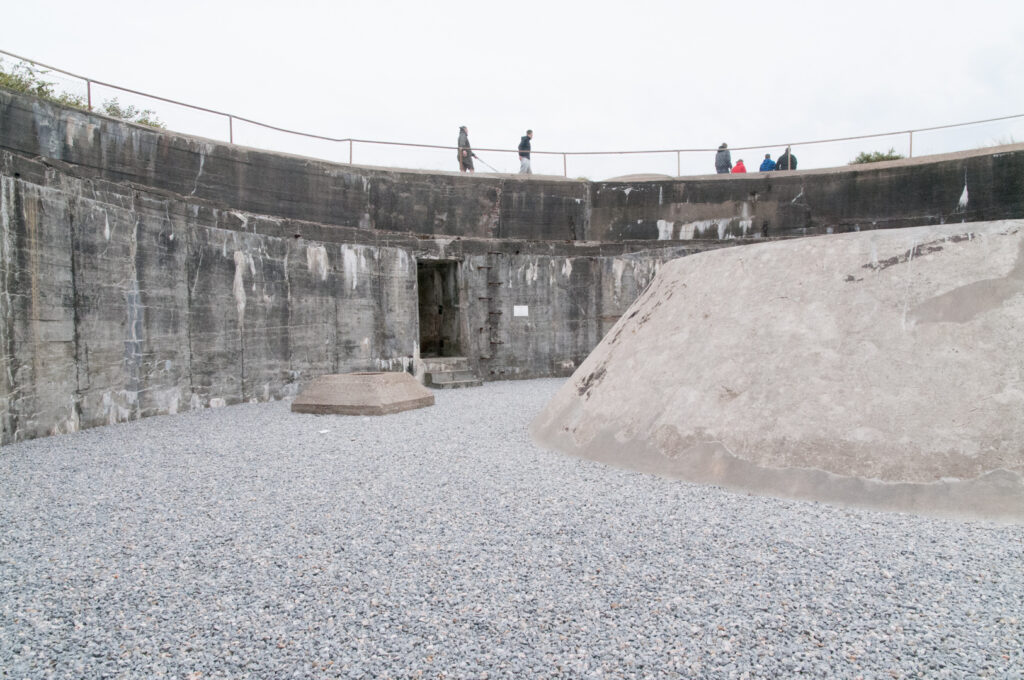
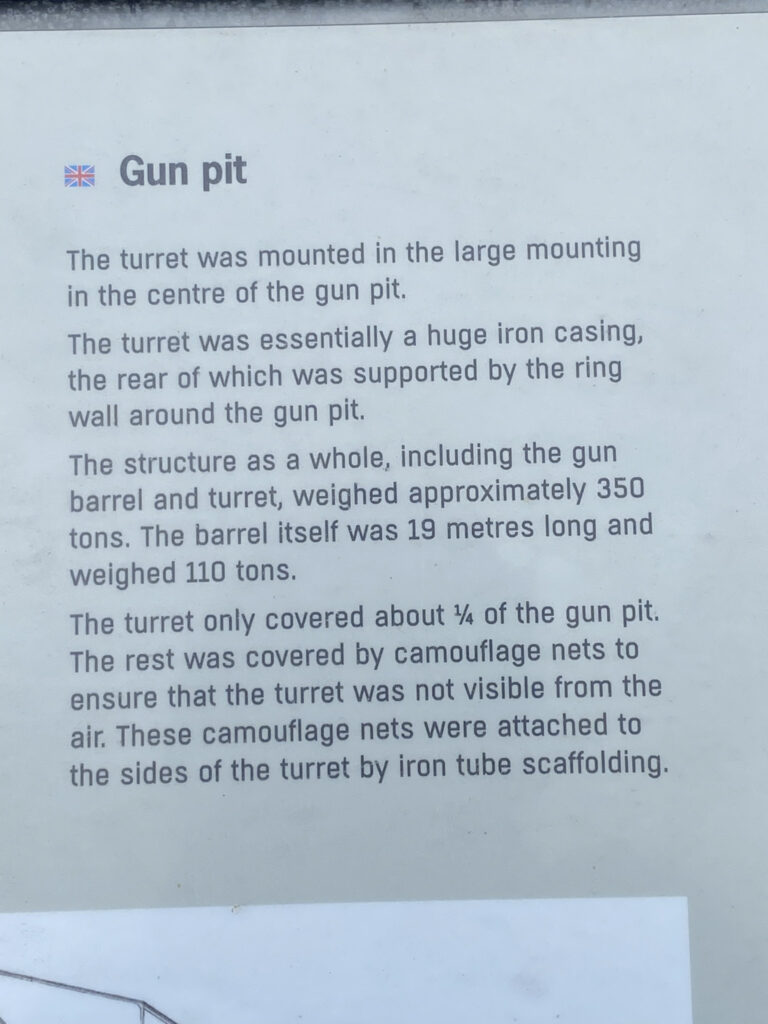
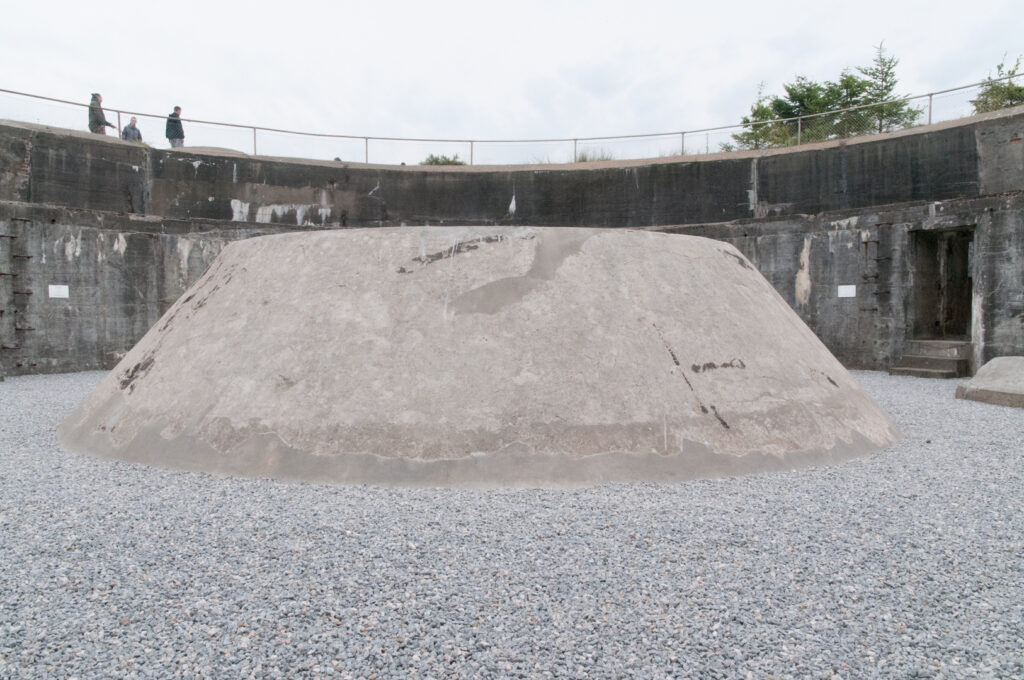
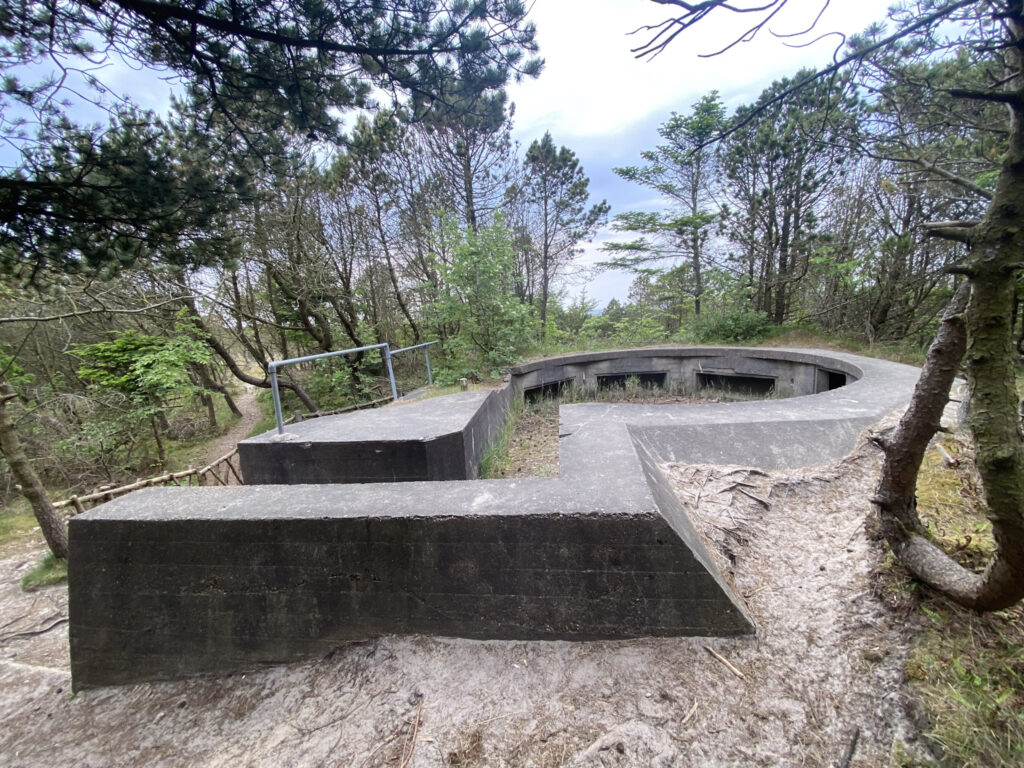
After that, we walked around the gun pit itself, which was a seriously impressive setup. It was about 100 feet wide, 15 feet deep, and had a 6 foot-high base for the 38cm gun.
After this we then checked out the living quarters of the bunker. Walking through this part of the bunker is a very intense and authentic experience. Since we were practically the only ones walking through at that time, it was very quiet and at times I would hear a noise, turn expecting to see a German soldier rounding a corner, only to see that it was one of my family members.
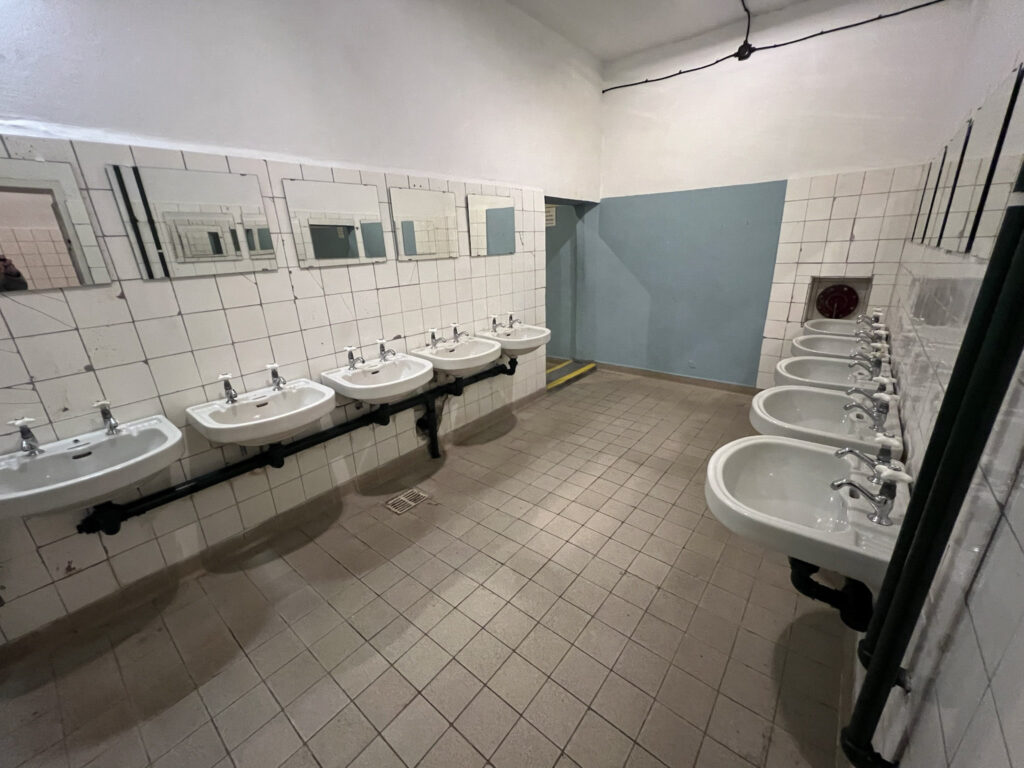
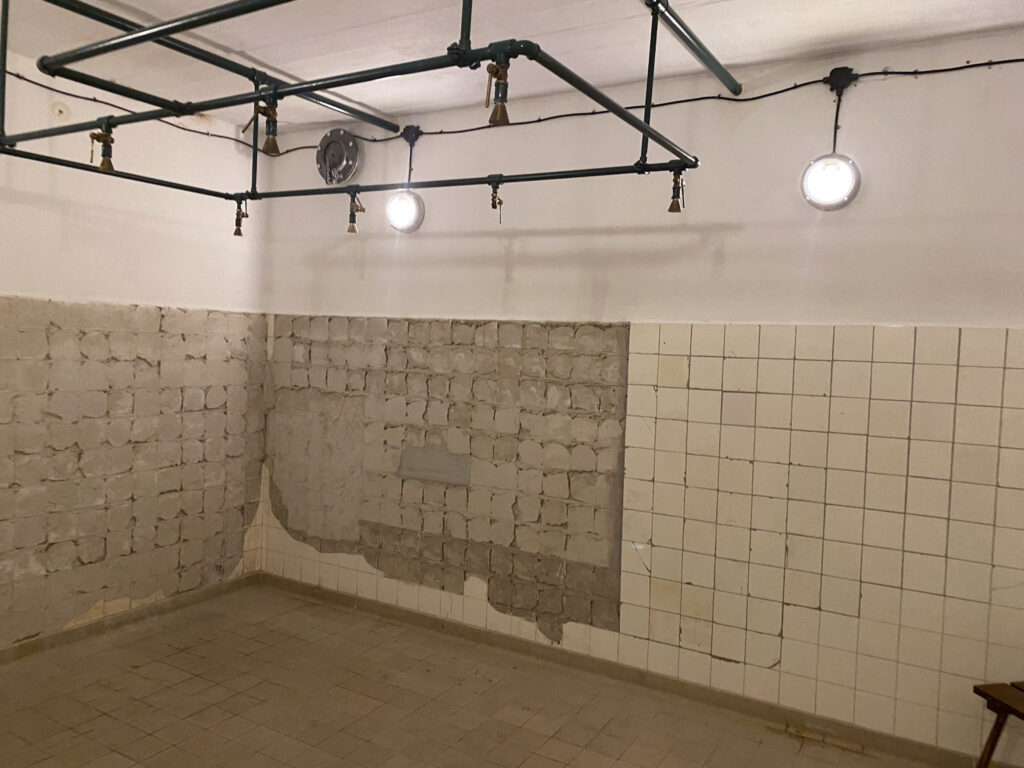
For some reason I found the bathrooms really interesting.
Exploring the trails
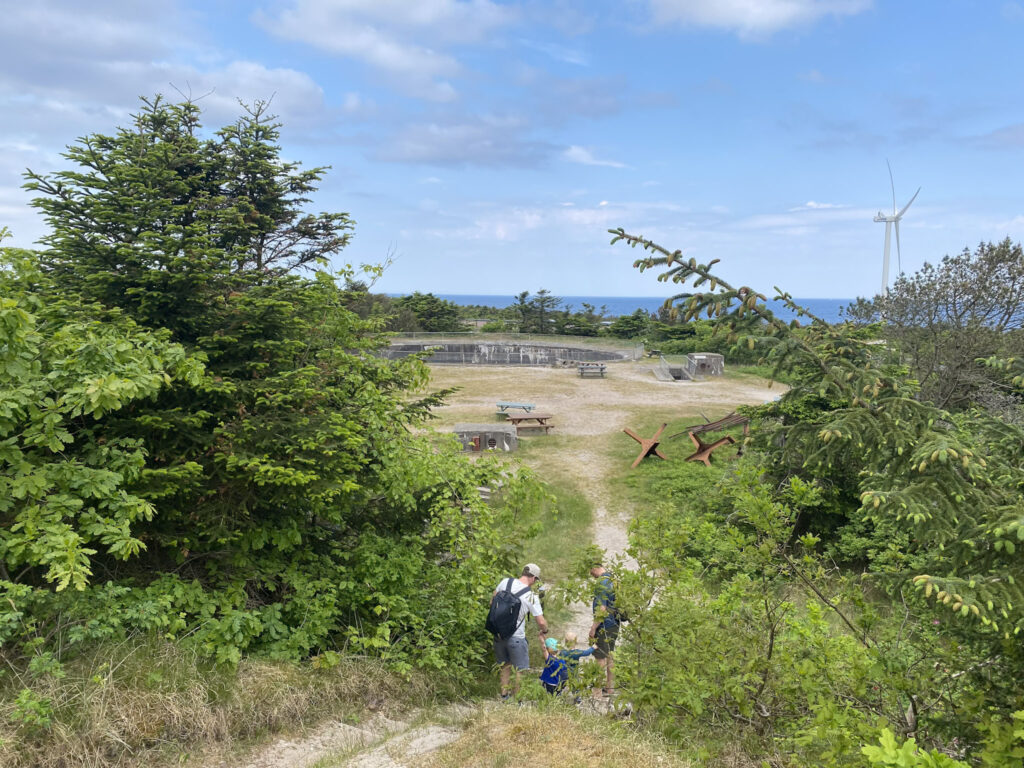
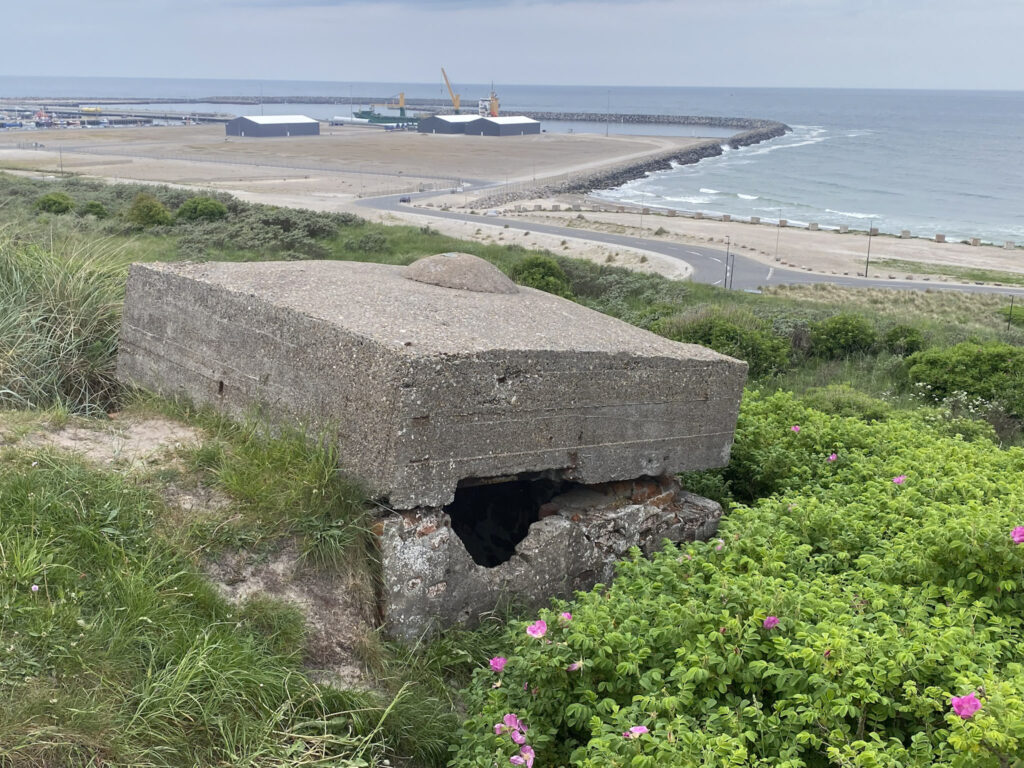
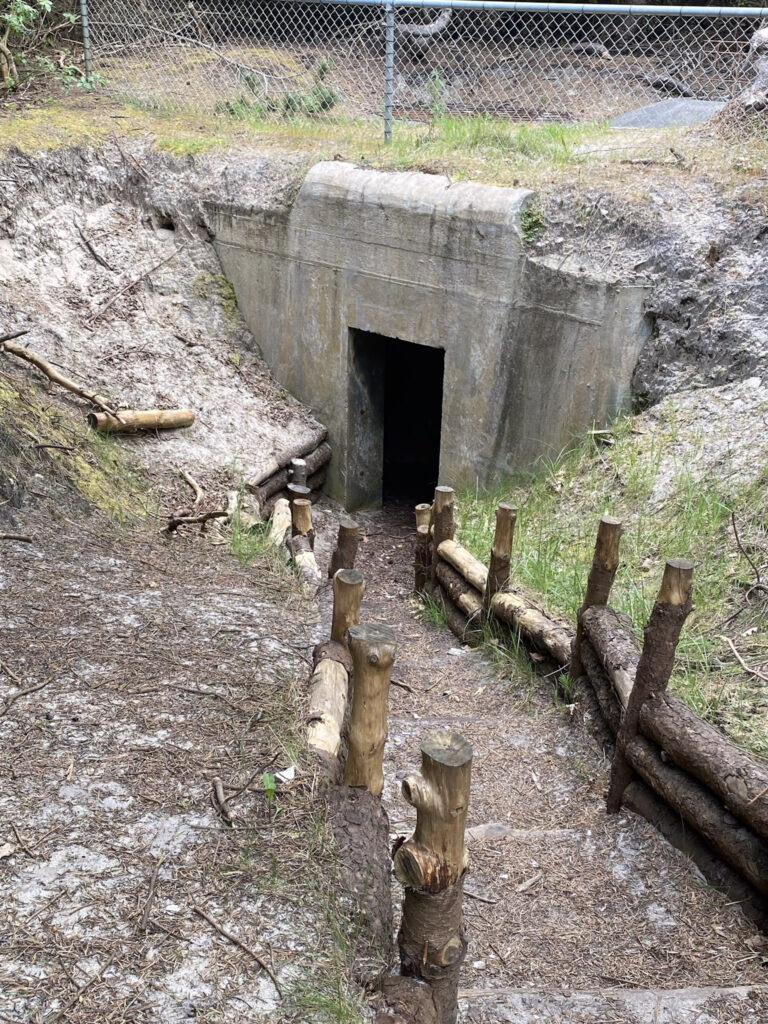
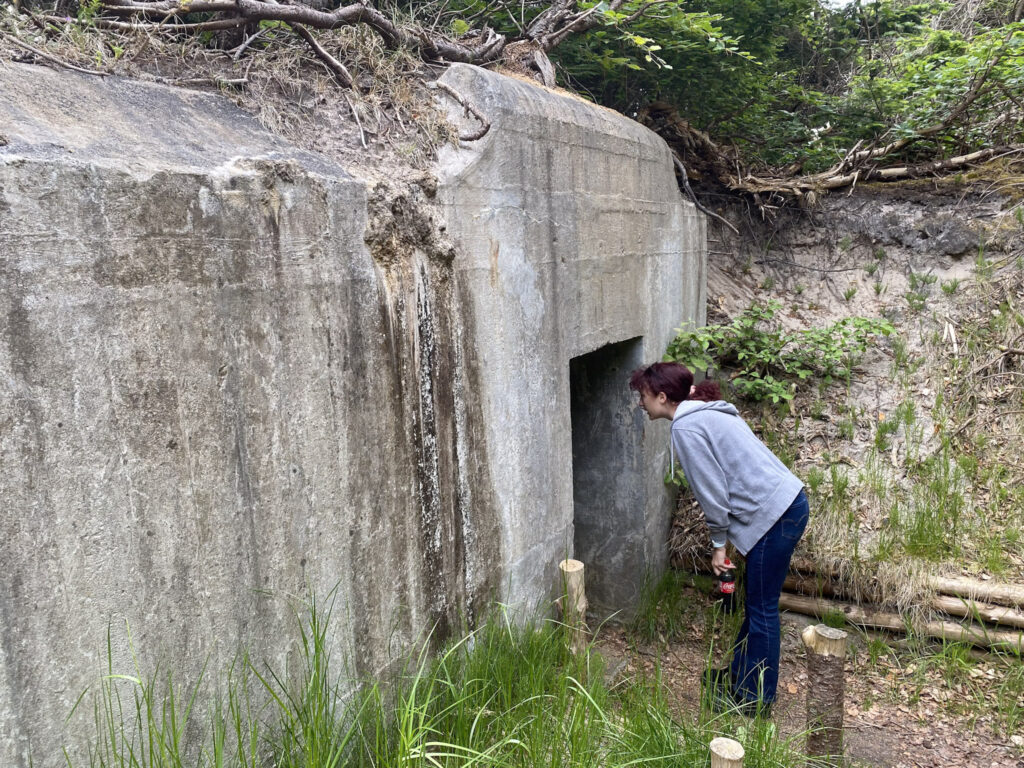
Remember at the beginning of this post when I said that Hanstholm is one of northern Europe’s largest fortifications? Well, what we just saw in the museum is actually just a small portion of the entire fortress. After leaving the bunker we set out to explore the rest of Hanstholm, which has been converted into an open-air museum where you can walk along four different trails and explore a ton of other bunkers and structures. Some are sealed off but there are still a good portion to walk through.
You can easily spend an entire day doing just that. In fact, this part of the museum is free so you can come here any time and just walk around. I suggest bringing a flashlight for this portion because unlike the restored bunker, none of these have electricity. But I have good news for you…all the signs along the trails have English translations so you know what you are looking at!
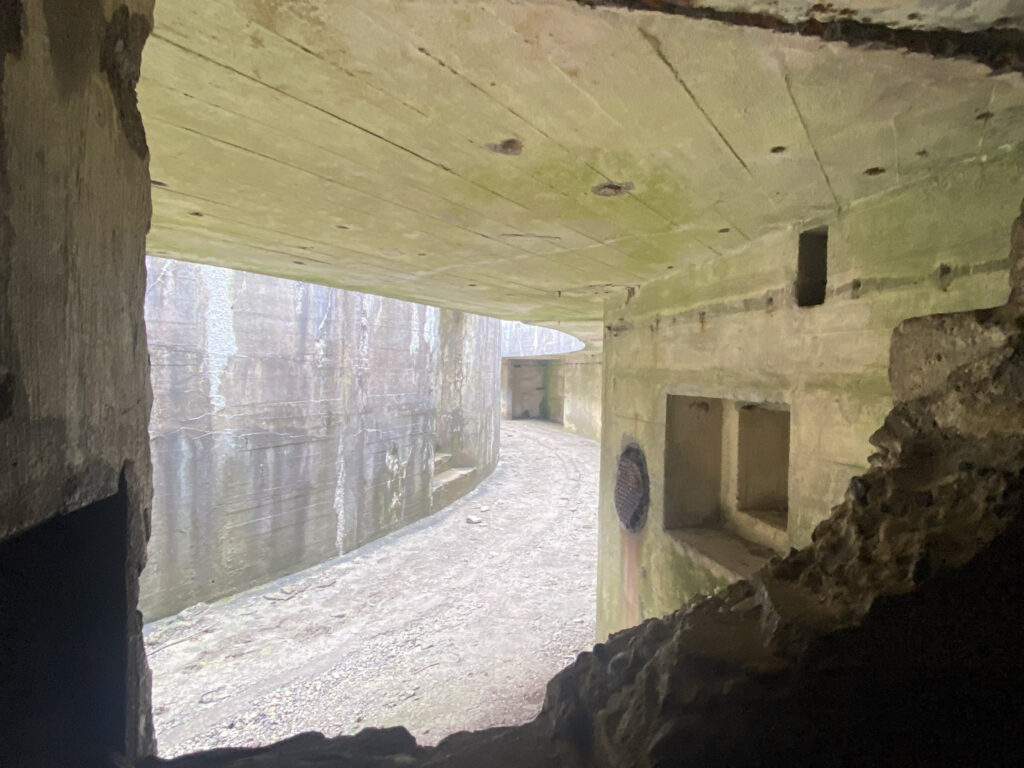
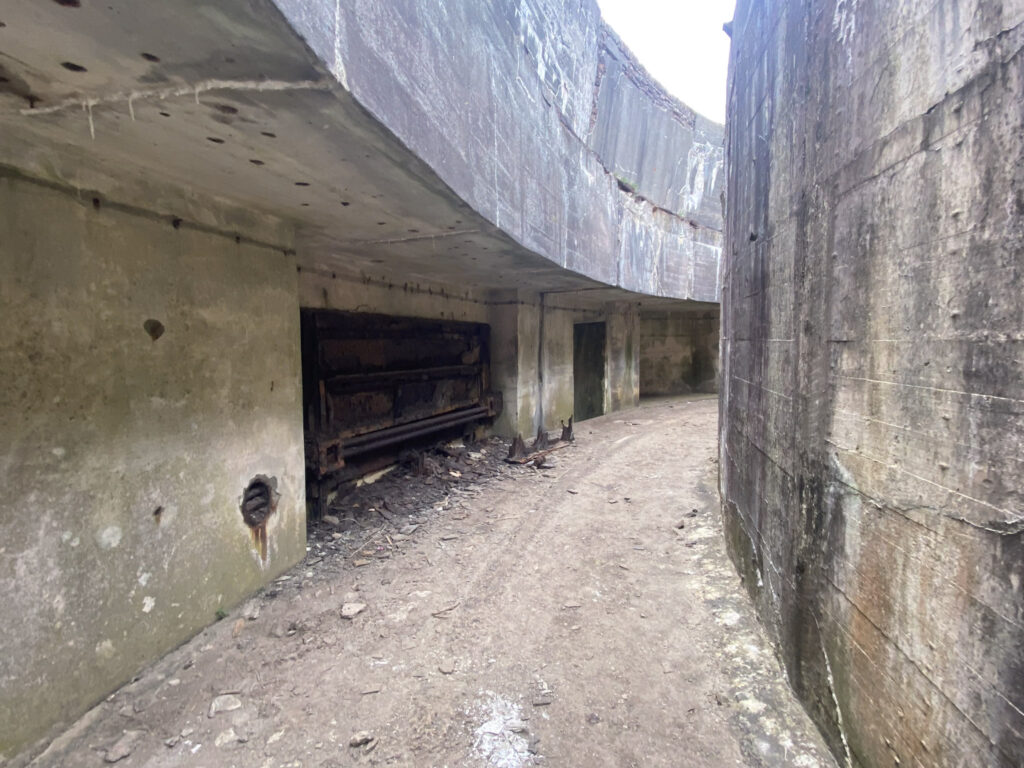
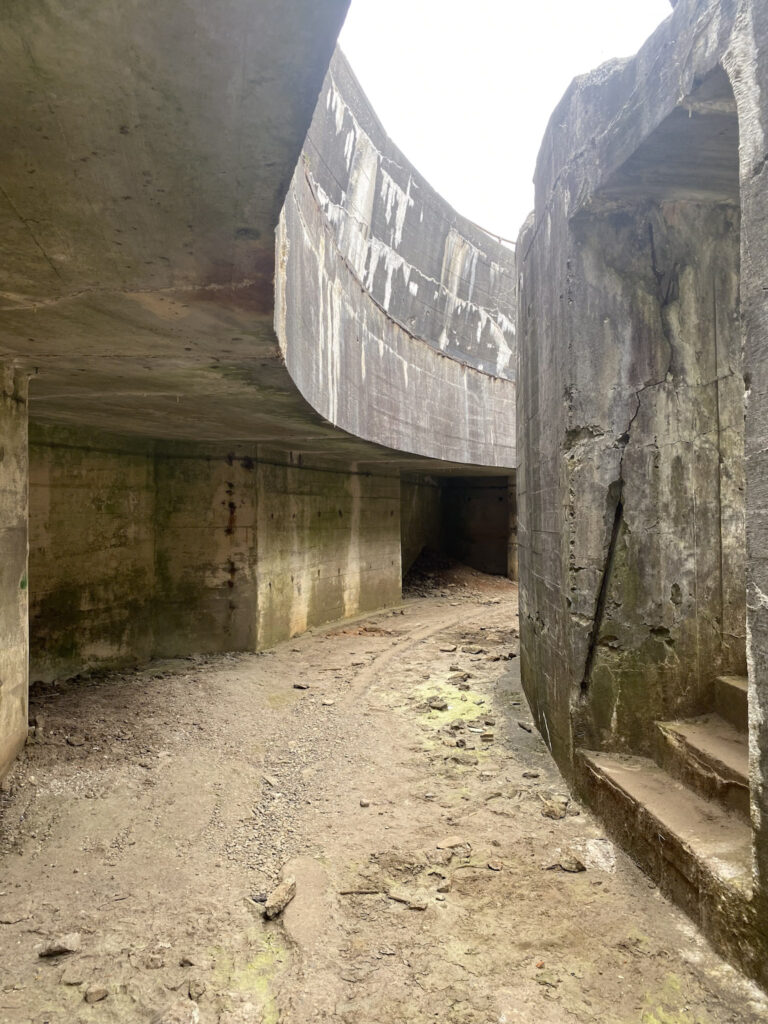
My most favorite part of trails was finding another large gun bunker to explore.
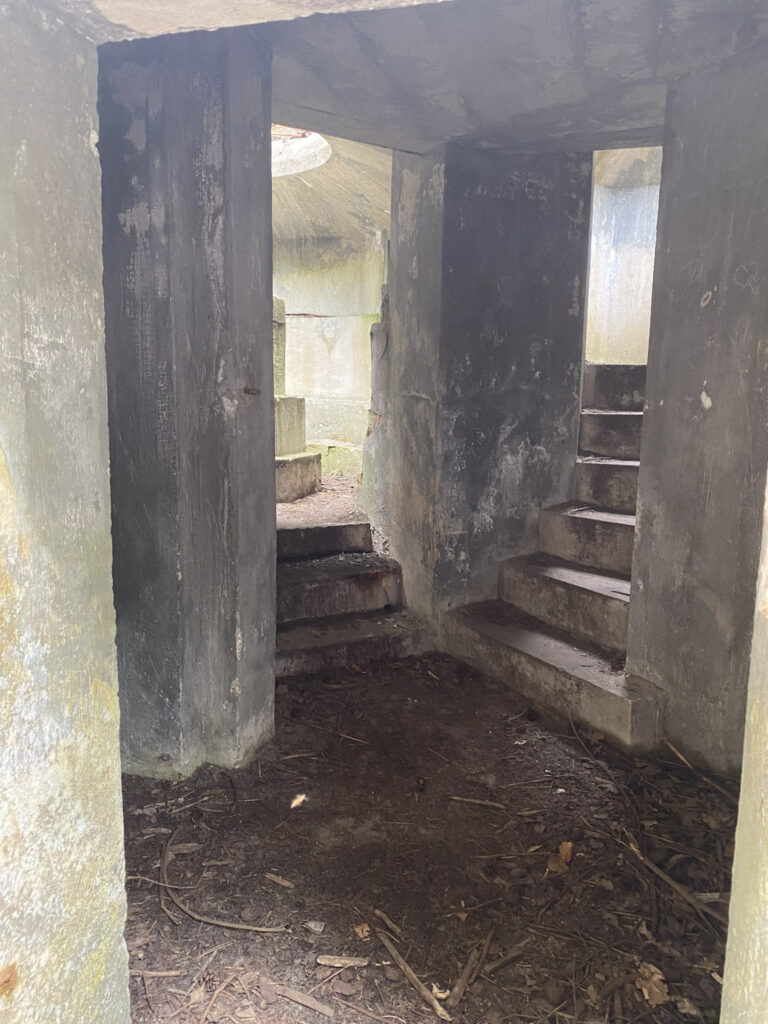
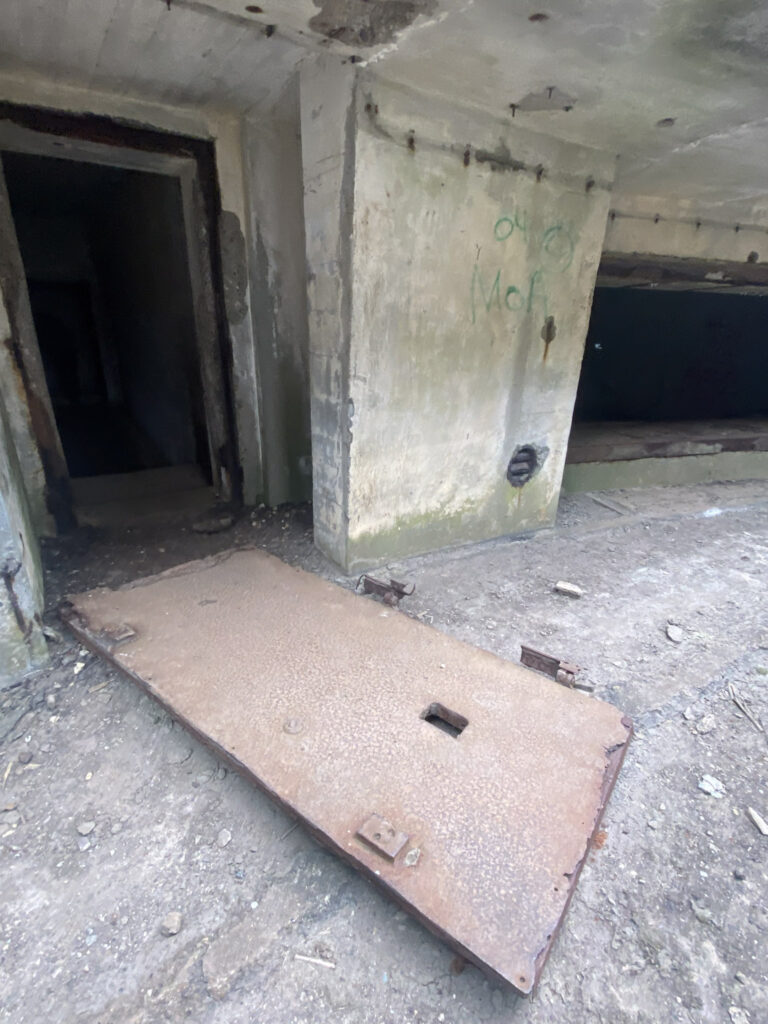
After walking around a bit we found the entrance. Walking around in the dark, climbing over crumbling walls felt like something out of a dystopian movie or TV show. Many times I expected a zombie to pop out of one of the dark rooms! But it was so cool!
Today, Hanstholm Fortress stands as a powerful reminder of the scale and ambition of Hitler’s Atlantic Wall. Walking through its massive bunkers, underground tunnels, and gun emplacements offers a fascinating glimpse into one of the largest coastal defense systems ever built during World War II. Whether you’re a World War II history enthusiast like myself or simply looking to explore one of Denmark’s most unique historical sites, Hanstholm Bunker Museum is well worth a visit.
Know Before You Go:
Address: The museum is located at Molevej 29, 7730 Hanstholm
Hours: Very over the course of the year. During summer (June – August) it is open from 10:00am – 5:00pm. The rest of the year it is open 10:00am – 4:00pm. The museum is closed December and January.
Tickets: 110 DKK (approximately $17-18 depending on the exchange rate) for adults 18+. Children 0 – 17 are free. Separate tickets are needed for the train and are 25 DKK (approximately $4 depending on the exchange rate)
Parking: Parking is plentiful and free!
Food: There is no cafe on site so if you plan to stay a while I suggest you pack a picnic lunch!
Even during the summer months the temperatures in underground bunker museum stay relatively cool. Bring a sweater!
Need accommodations?
Looking to stay a few days around Hanstholm and need recommendations for a hotel stay? In general, Hanstholm is not your typical holiday spot like other Jutland coastal towns, so tourist accommodations are pretty limited. You may be lucky and find a private beach home for rent. However, if you are looking for more of a traditional hotel stay, consider booking at Montra Hotel Hanstholm. Otherwise, about 15 miles away in the town if Thisted you will find more choices such as Hotel Limfjorden.
Disclosure: This post may contain affiliate links. I will earn a small commission if you choose to make a purchase, at no additional cost to you. The income directly supports Jacki Goes Places. Thank you!
Pingback: The Viking Graveyard of Lindholm Høje - Jacki Goes Places