“Without the B-17, we might have lost the war.” — General Carl Spaatz, Commander of the US Strategic Air Forces in Europe.
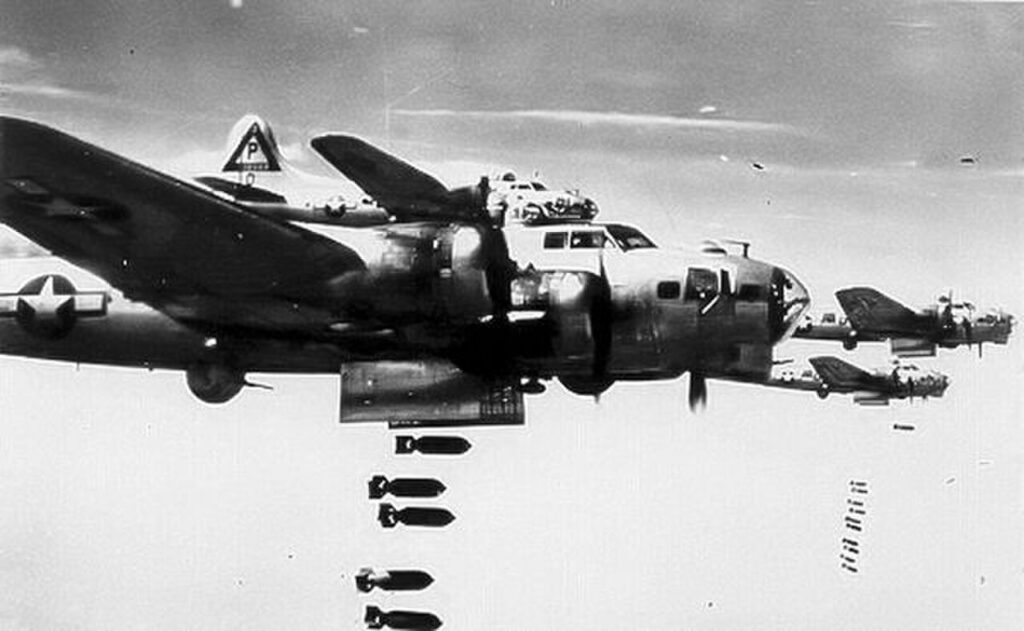
Imagine standing at the edge of an English airfield in 1943, the early morning fog lifting over the countryside and suddenly the air fills with the deep, rhythmic thunder of radial engines. One by one, huge planes loaded with 10-man crews and thousands of pounds of bombs lift off the runway, making their way deep into Germany. Not all would make it back by the end of the day. These heavy bombers were the B-17 Flying Fortress and their crews were doing something the rest of the Allied forces considered crazy, suicide even. They bombed Germany in broad daylight.
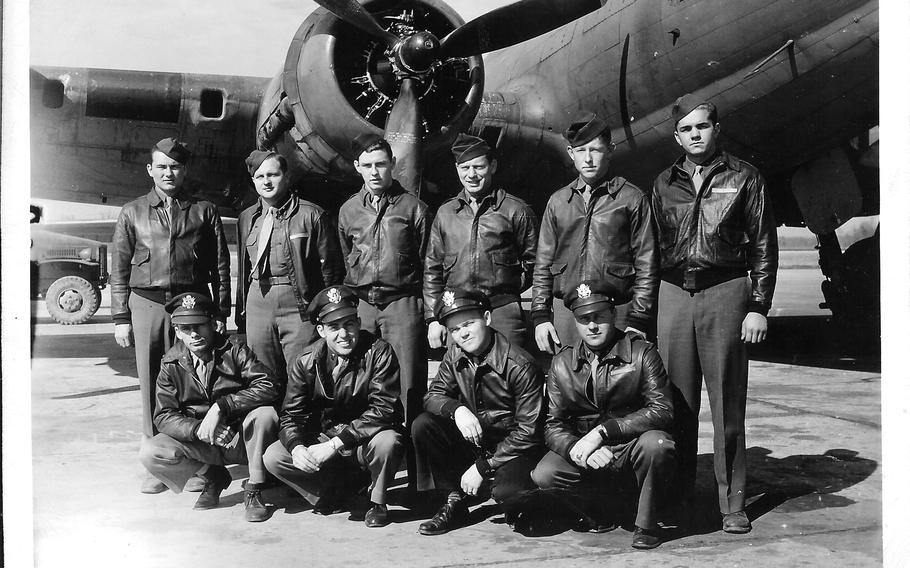
When I first became interested in World War 2 aviation, I was immediately fascinated by the B17-Flying Fortress. It wasn’t just the size of these bombers, or their legendary capabilities. It was the men inside them. The pilots, navigators, bombardiers, gunners — most of them barely out of high school, climbing into those cramped fuselages mission after mission. To complete a tour of duty they were expected to fly 25 missions before they could go home (and at the height of the war that went up to 35 missions). Unfortunately, the odds were not in their favor. At the height of the war, a bomber crew had a less than 25% survival rate. In all, nearly 26,000 crew members died while serving on B-17 Flying Fortresses and approximately an additional 21,000 men were wounded or were captured as prisoners of war.
However, despite those sobering statistics, the B-17 earned it’s nickname Flying Fortress because it was reliable, durable and did something no other heavy bomber could do during the war…it brought it’s men home.
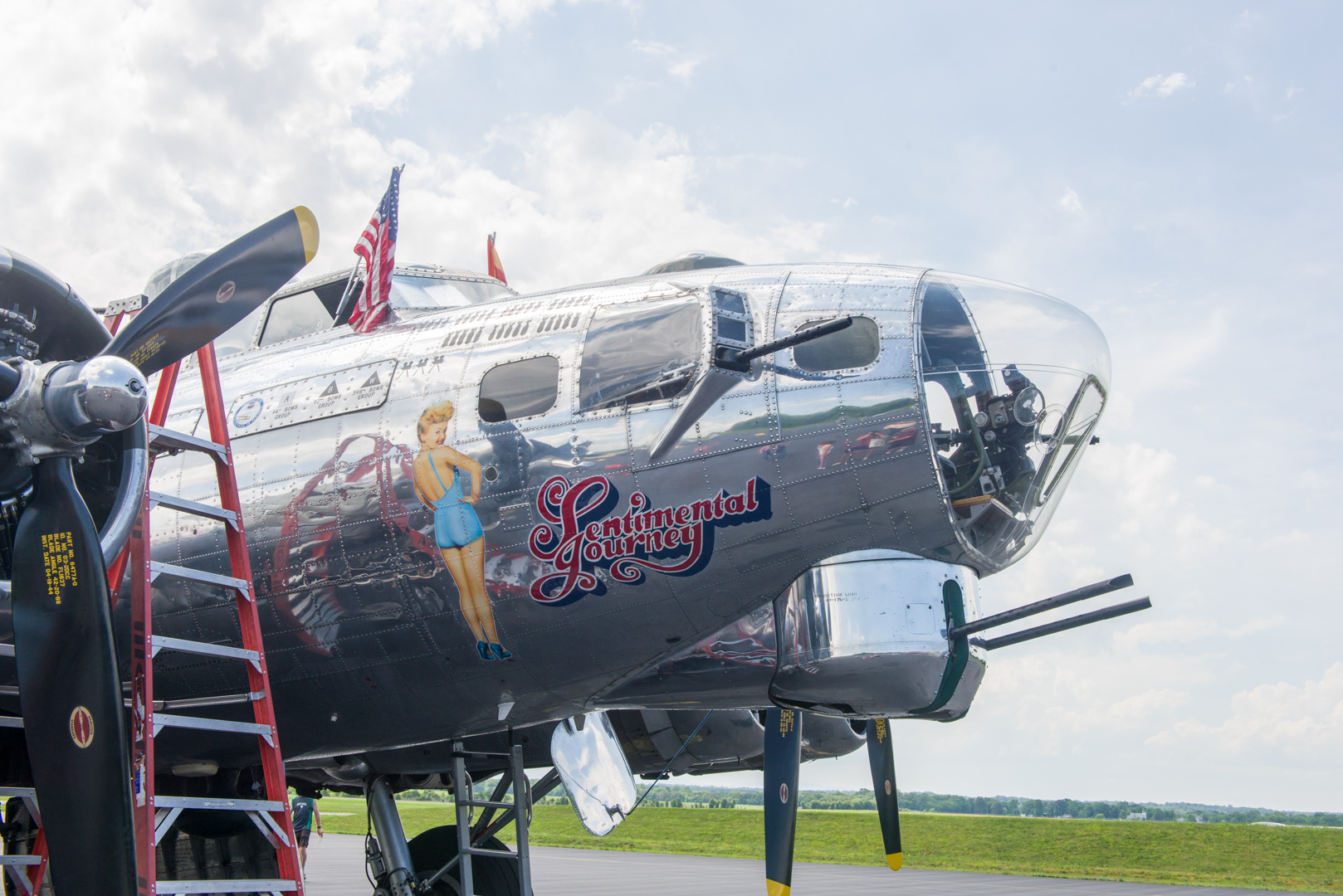
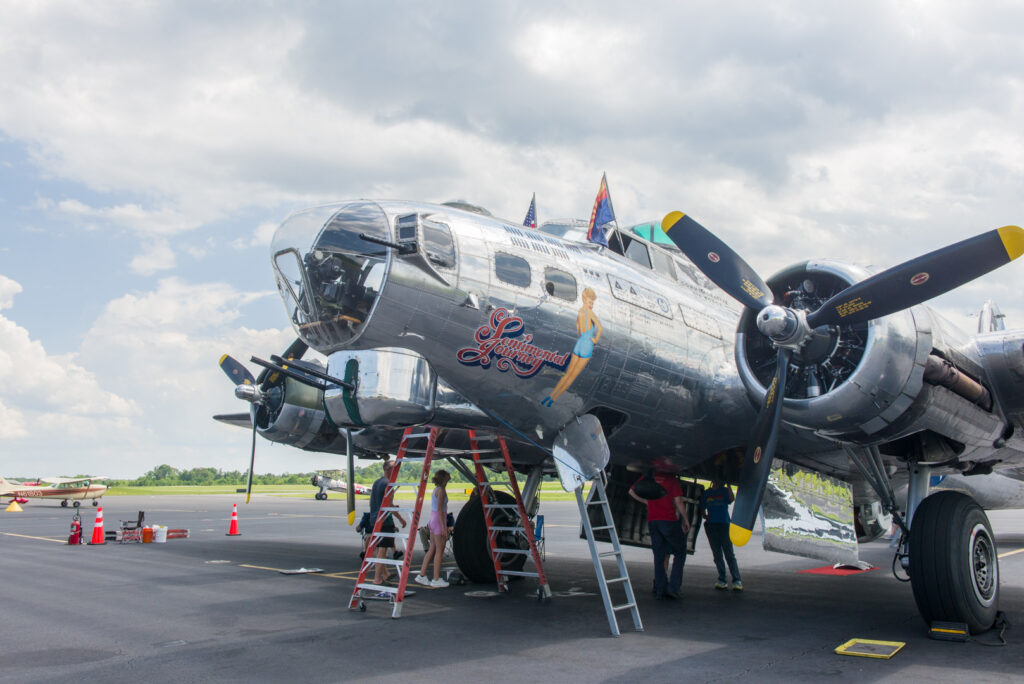
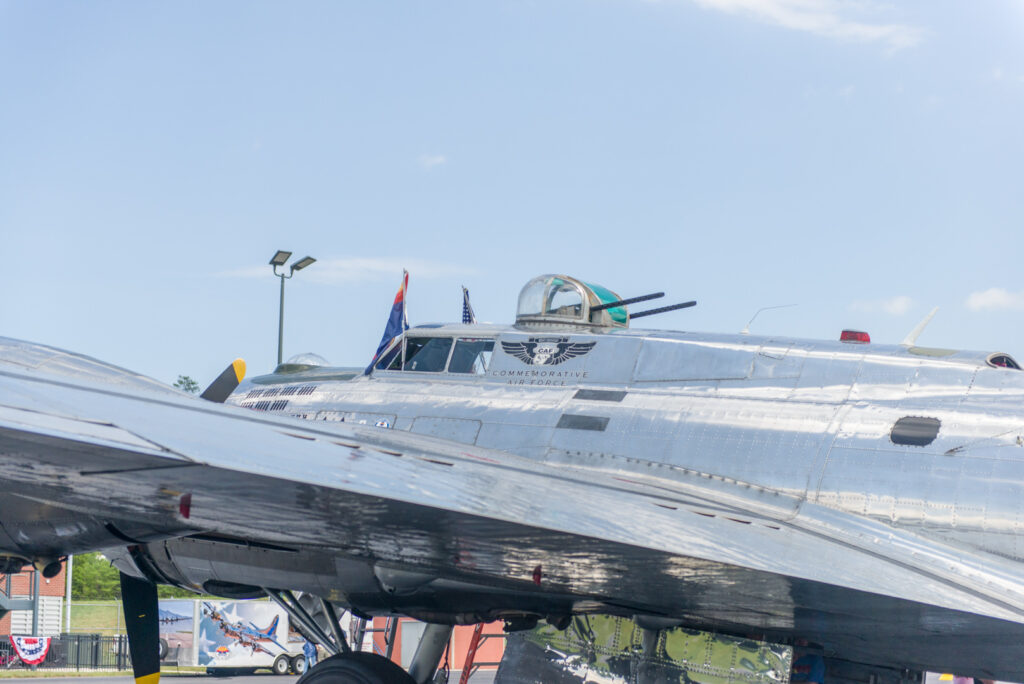
The B-17G Flying Fortress Sentimental Journey
Out of over 12,000 B-17s built between 1936 and 1945, only 45 remain intact today. Only a handful of these are airworthy; the remaining are preserved as static displays in aviation museums. One of the surviving B-17’s is “Sentimental Journey,” the pride and joy of the Arizona wing of the Commemorative Air Force in Mesa, Arizona. So, you can imagine how excited I was to see Sentimental Journey when the B-17 stopped at the Warrenton-Fauquier Airport in June as part of the Commemorative Air Force Airbase Arizona’s Flying Legends of Victory Tour. For four days the public was invited to take a tour and speak to the crew members that fly and care for her today. You could also book a flight aboard her! A unique experience for sure that didn’t fit my budget this year, but honestly? Just getting the opportunity to walk through the plane and imagining what it would have been like to fly into combat in one of these planes was enough for me.
The first thing you’ll notice when climbing inside a B-17 is that it was built for combat, not comfort. The crews occupied the small cabin for six to eight hours per mission. Flying at altitudes above 27,000 feet meant it got very cold in the cabin, often below freezing temperatures. Electrical outlets allowed the crew to plug in electric suits to stay warm.
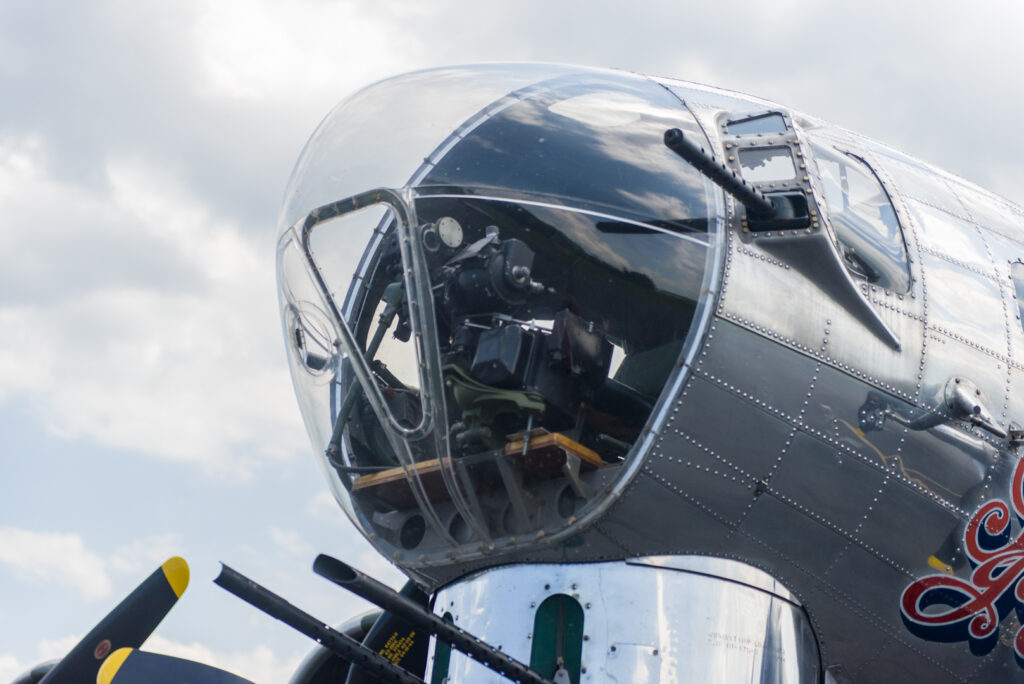
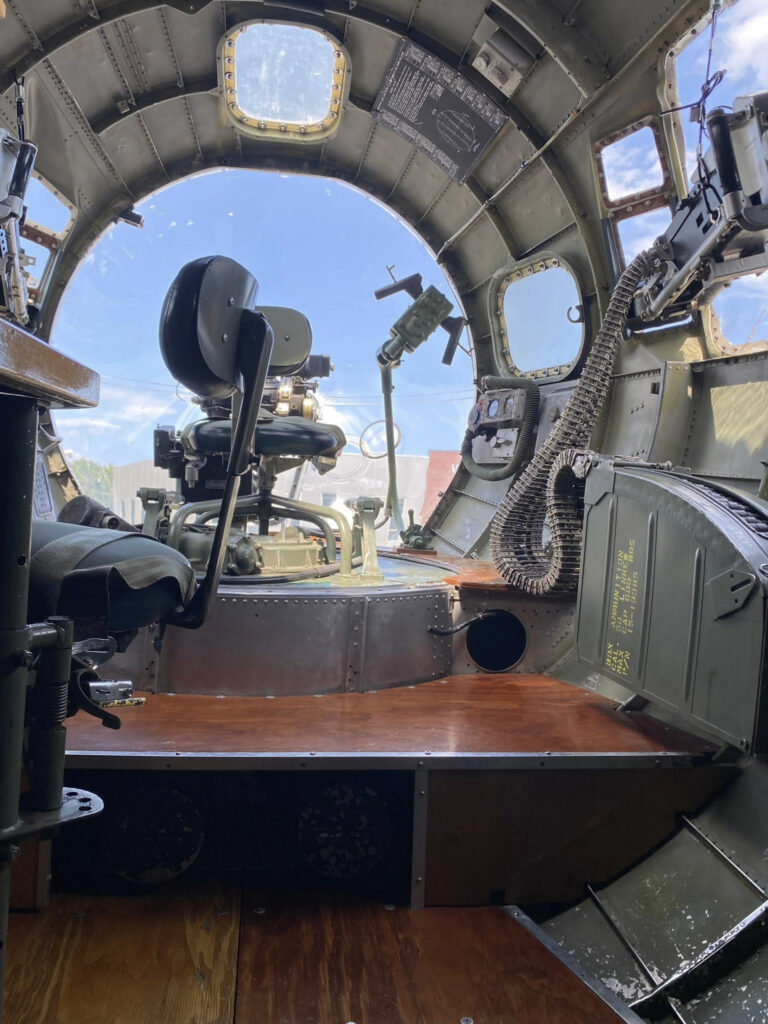
The bombardier was crammed into the nose of the aircraft, protected only by a thin sheet of plexiglass. The navigator sat a table just behind him, where he laid out charts and maps to navigate the best fight path. Their defenses were two, twin .50-caliber machine guns out of the nose, one for each officer, plus a remote device for the machine guns on the chin turret. Many bombardiers and navigators were lost in missions due to head-on attacks from enemy aircraft.
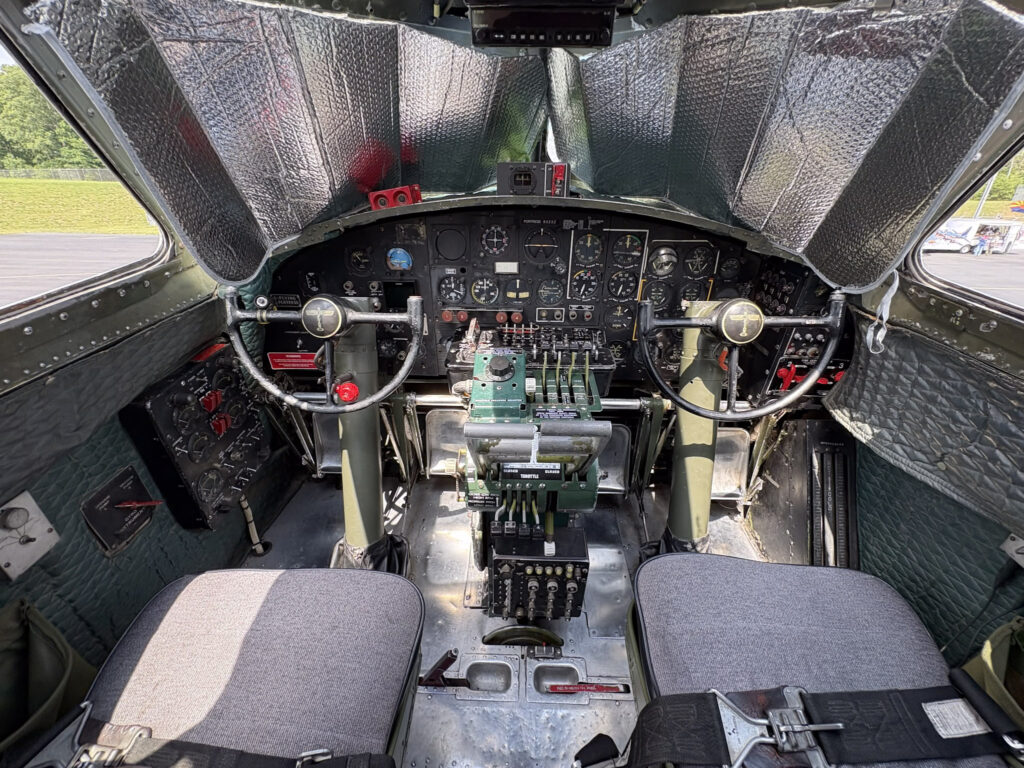
Above and behind the nose of the B-17, two men occupied the cockpit—the pilot on the left and the copilot on the right. Twin yokes allowed the pilots to operate and control the aircraft. Behind them, the flight engineer supervised the engines and fuel and manned the top turret gun.
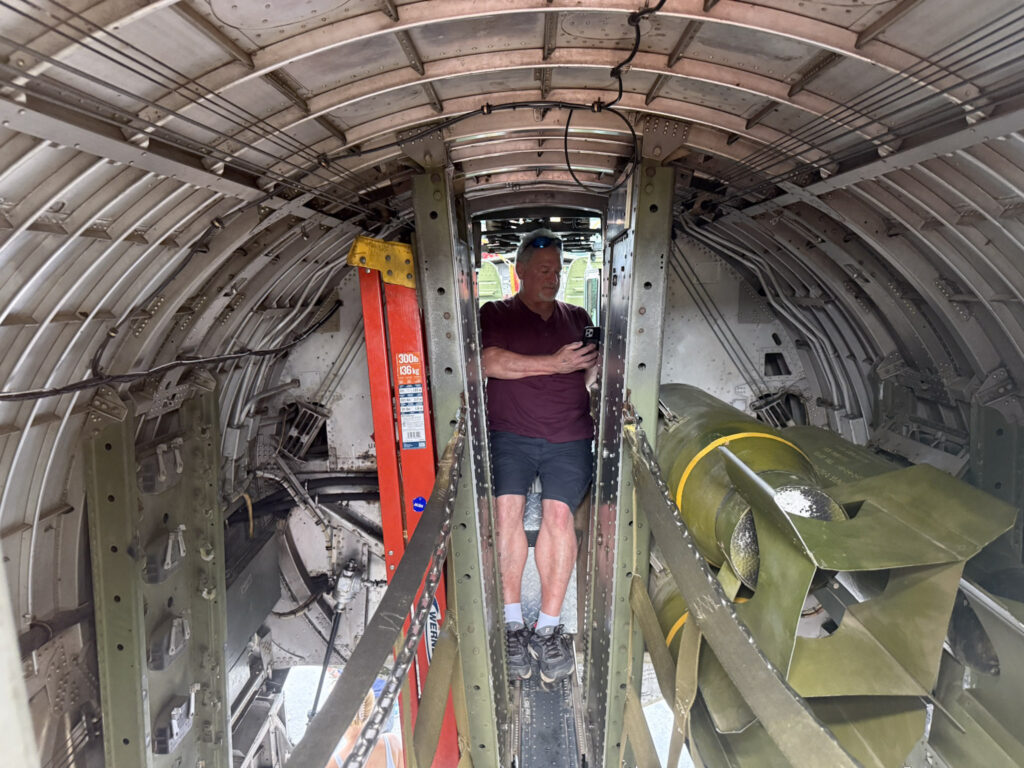
Behind the cockpit was the bomb bay and a narrow, cramped space for accessing the rear of the aircraft.
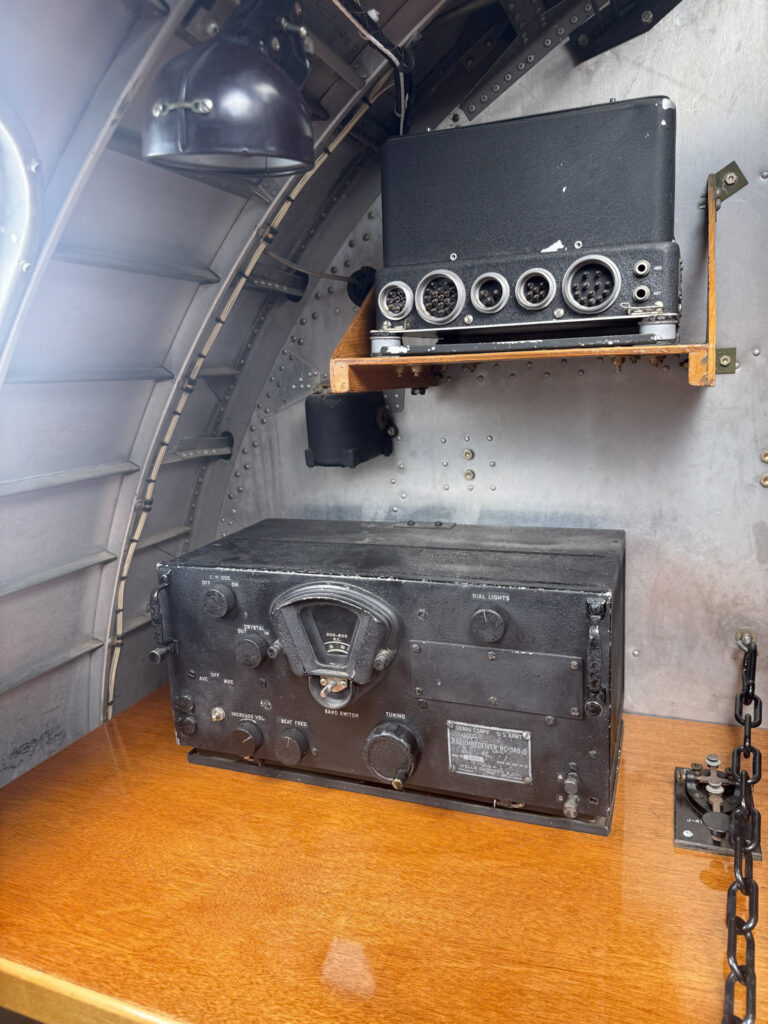
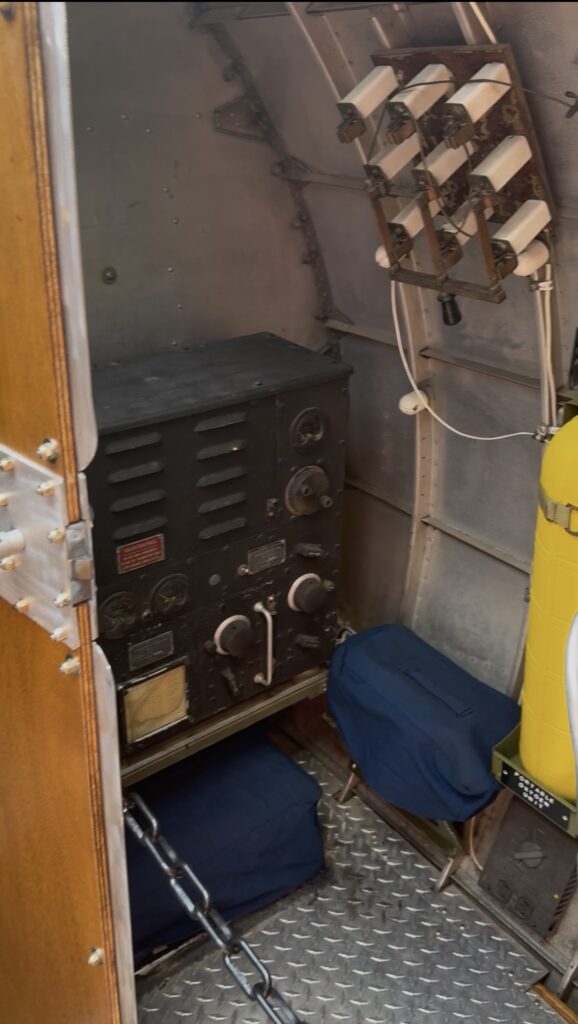
After walking through the bomb bay you reached the radio operators station.
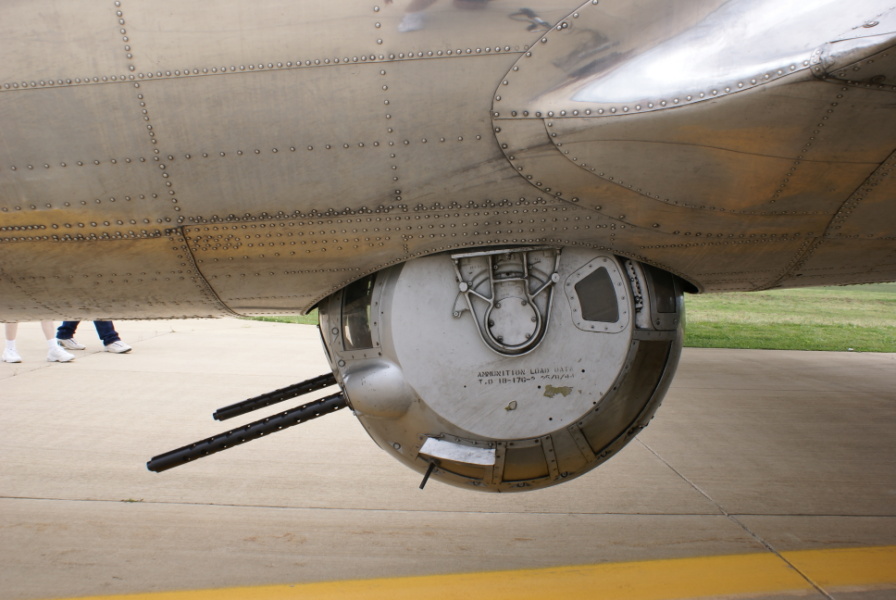
Behind the radio operators station was the Sperry ball turret, a spherical ball about four feet in diameter and capable of rotating 360 degrees. The ball turret gunner – often one of the smallest crew members – crouched in a fetal position in this small, cramped space during the flight (although not during takeoff and landing) and operated two machine guns.
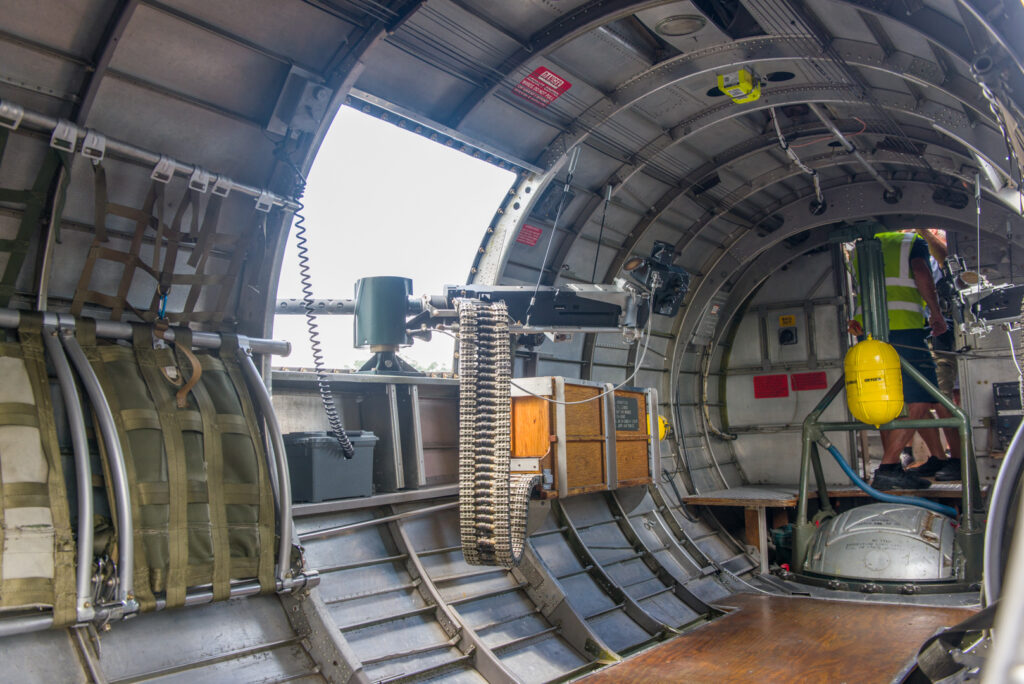
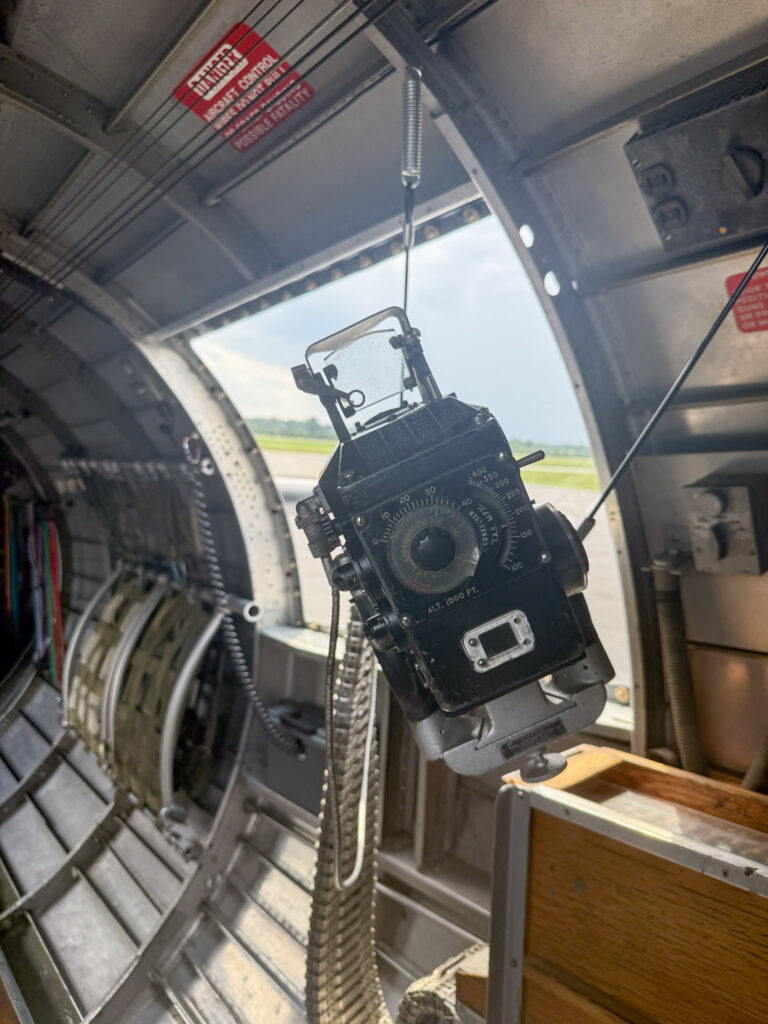
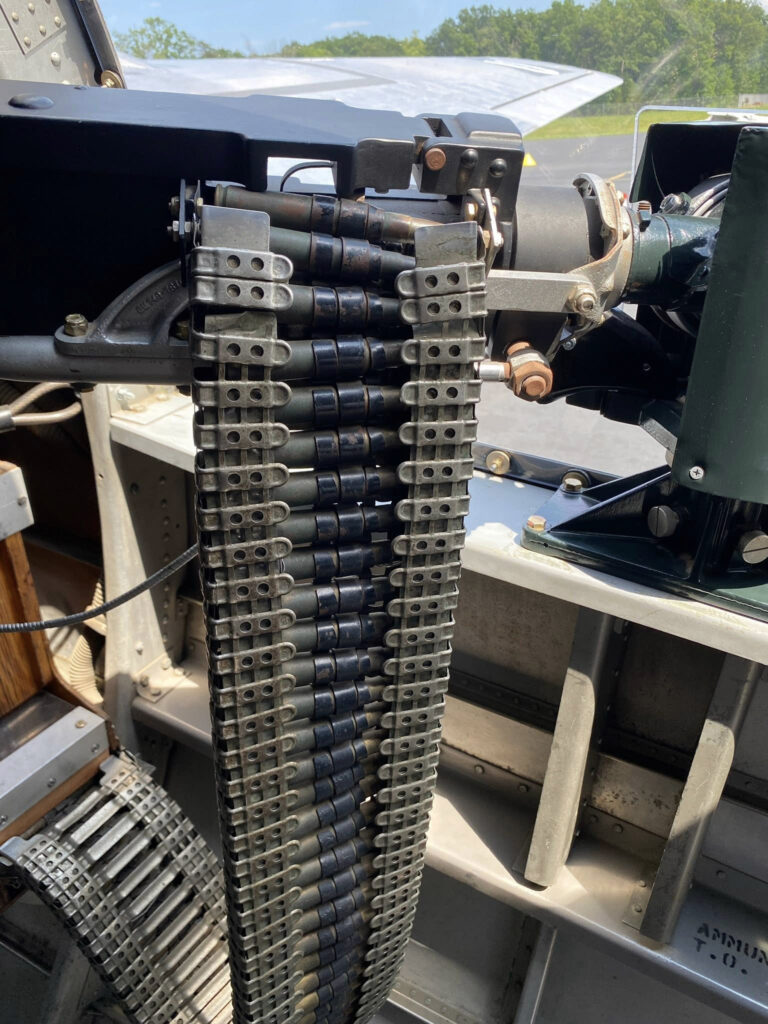
The main cabin was unarmored and outfitted with two .50-caliber machine guns for the waist gunners to defend the aircraft against side attacks. Each gun could fire about 700 rounds per minute.
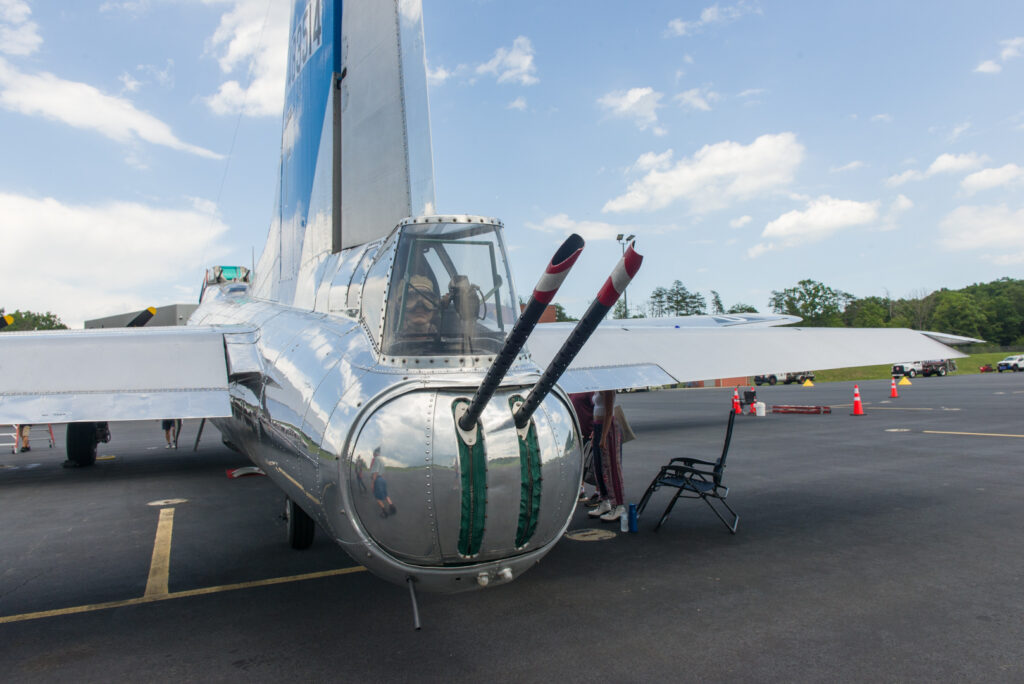
At the end of the fuselage is two more machine guns operated by the tail gunner whose job was to protect the rear of the aircraft from attack.
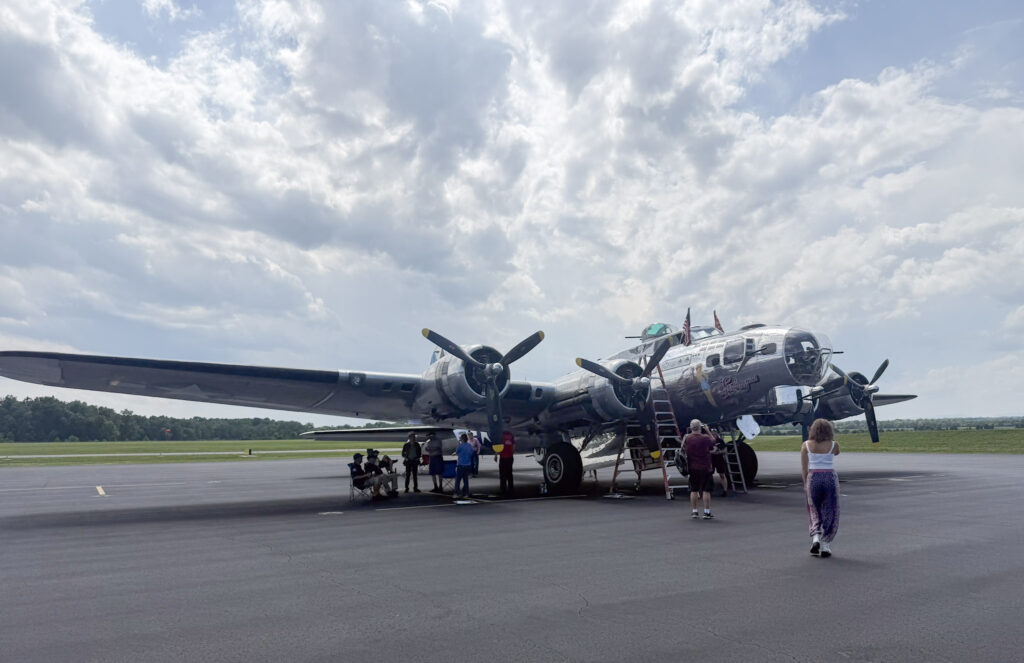
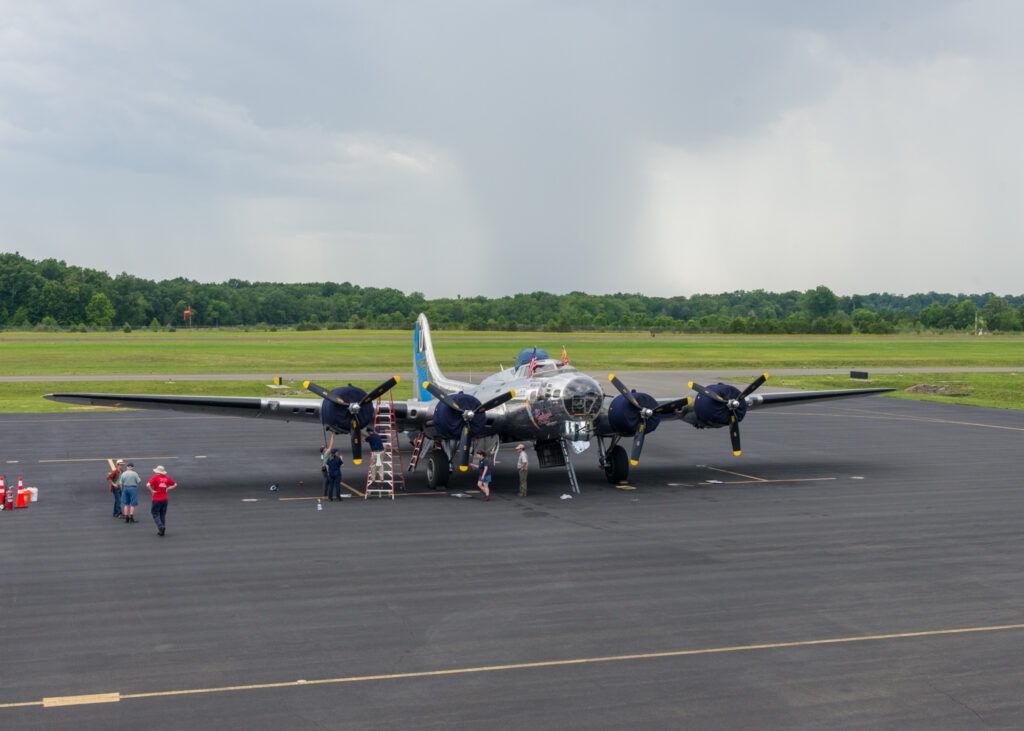
After walking through the aircraft we took time to speak to some of the crew members and learn what it was like for them to operate and maintain the bomber. Unfortunately our time with them was cut short due to an incoming rain storm that popped up all of a sudden. However, it was cool to watch the crew “batten down the hatches” so to speak.
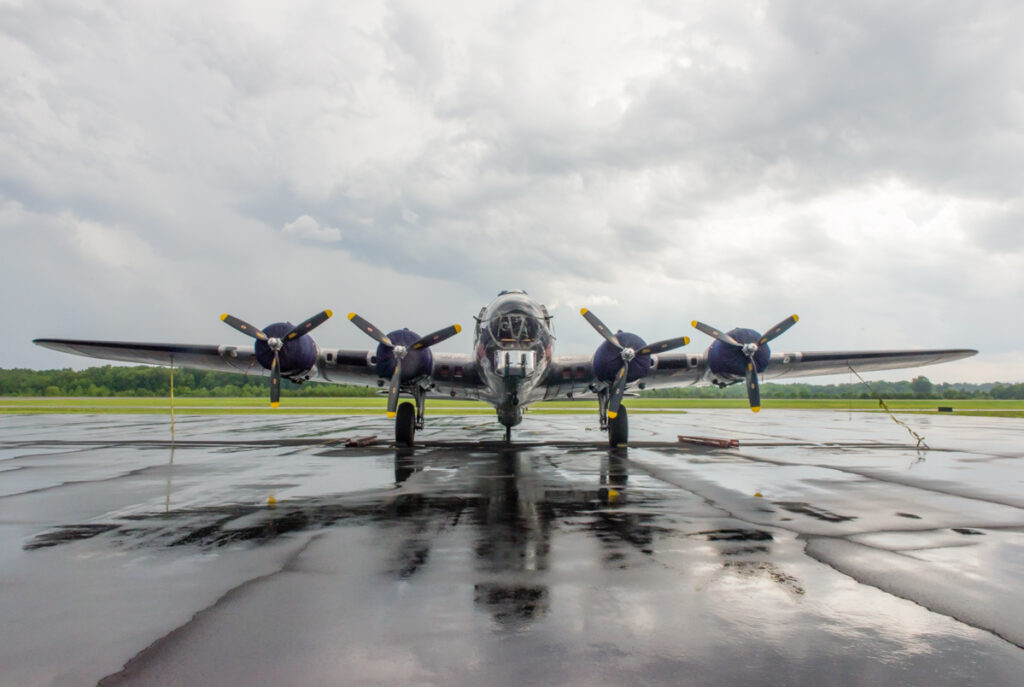
We had time so we waited out the storm inside the airport and while they did not open up the plane again for tours, we were rewarded with this cool photo for our patience:
I cannot say enough about the dedicated volunteers of the Commemorative Air Force who meticulously restore and maintain historically important aircraft like the Sentimental Journey so people like myself and future generations have the opportunity to see, touch, walk though and even take a ride in them. The CAF has several chapters throughout the United States. Consider donating to their ongoing efforts or even signing up to become a volunteer!
IF YOU LIKE AVIATION YOU MIGHT ALSO ENJOY READING:


Pingback: The Top 5 Aviation Museums Across the United States - Jacki Goes Places
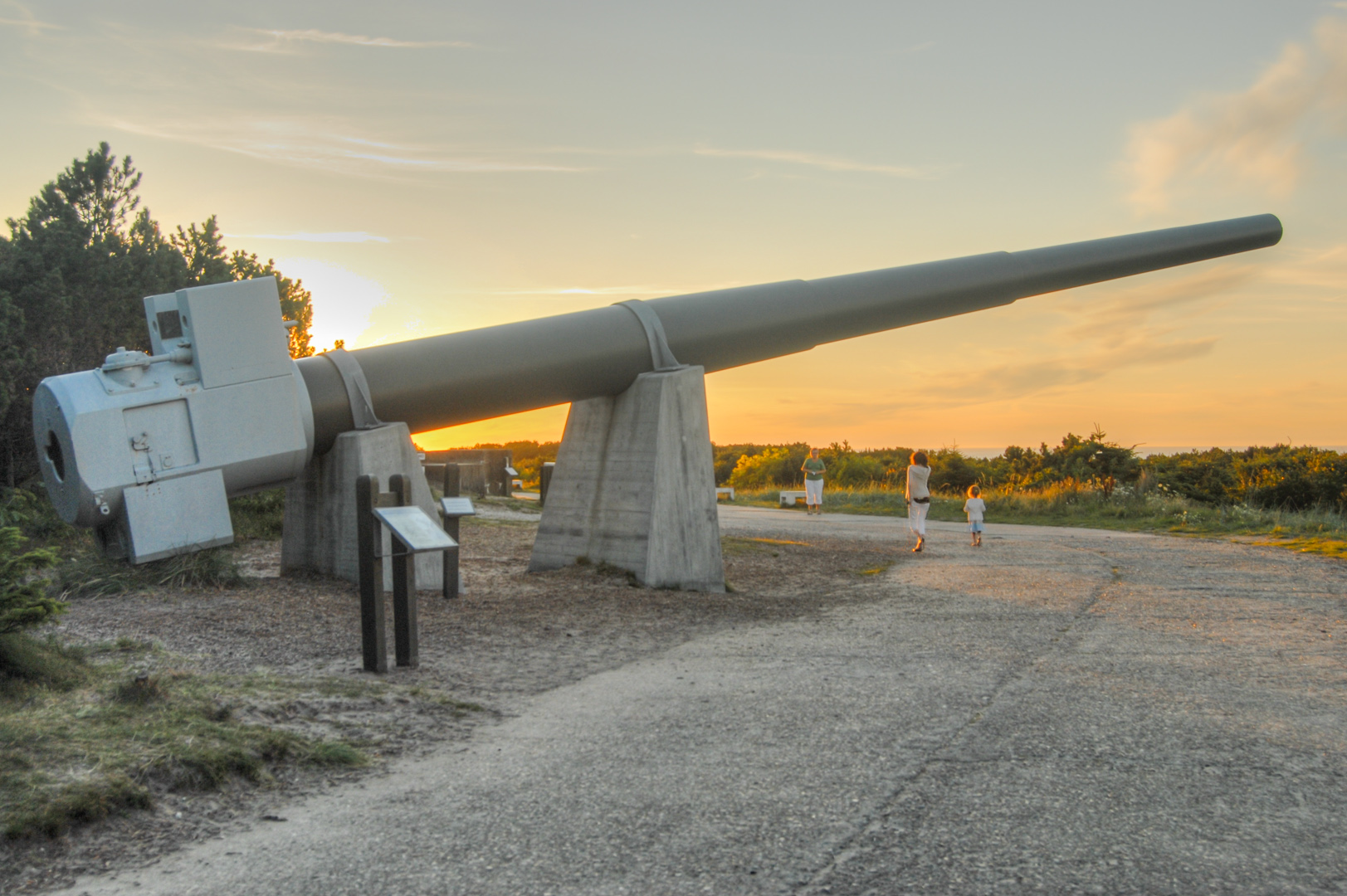
Pingback: Exploring Hanstholm Bunker Museum: Inside Denmark's Largest WWII Fortress - Jacki Goes Places Exploring Hanstholm Bunker Museum