I
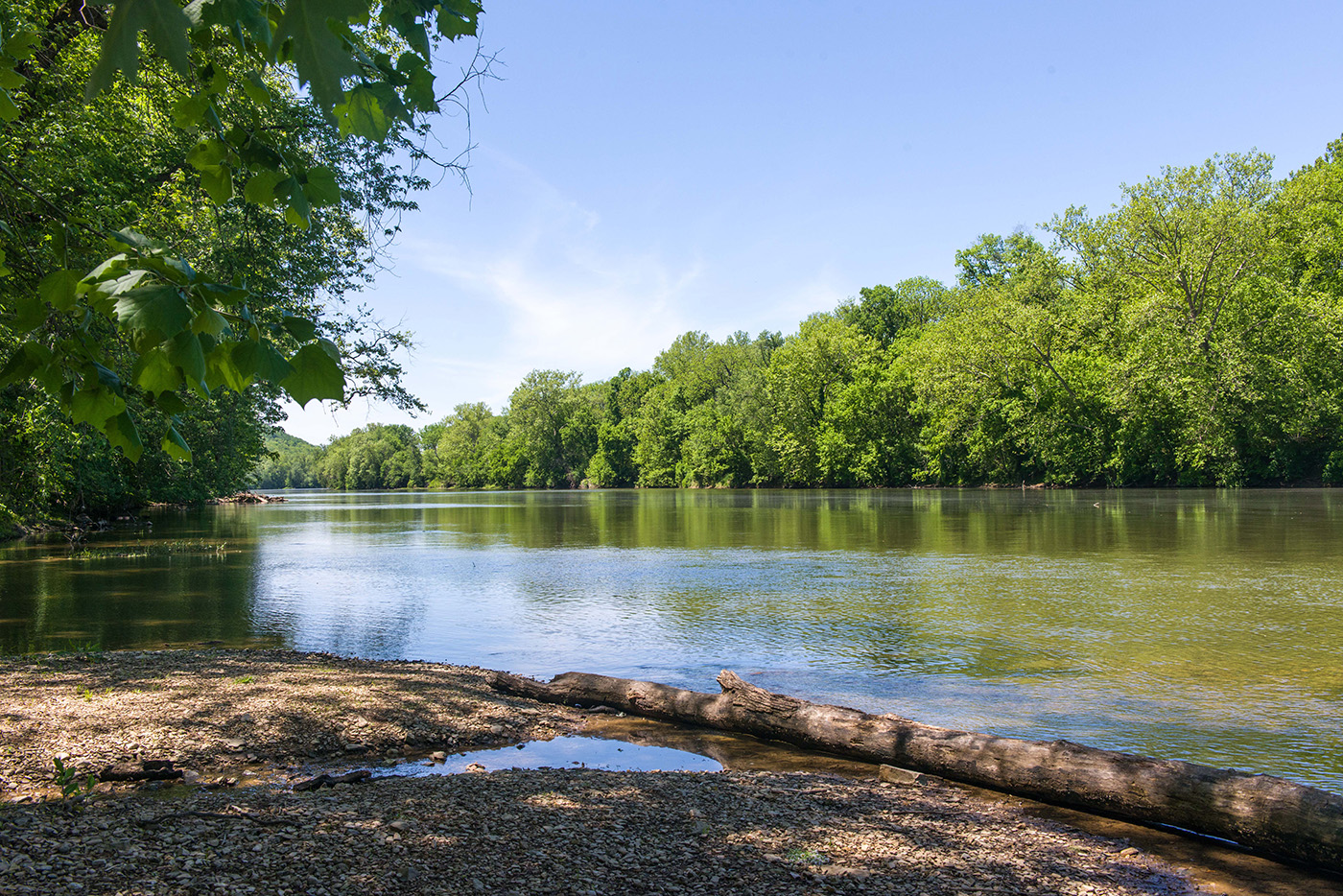
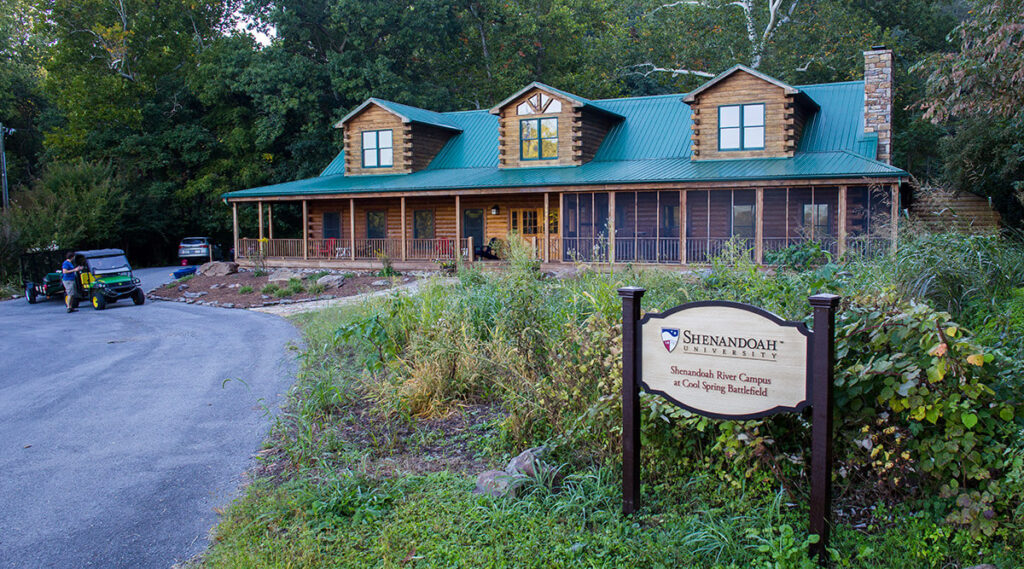
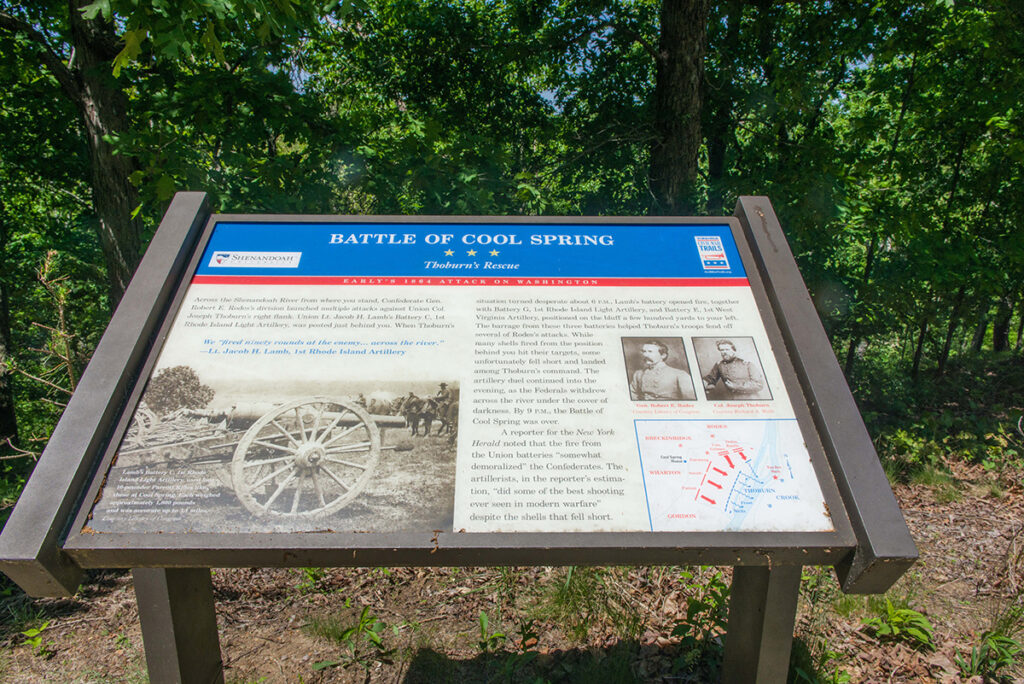
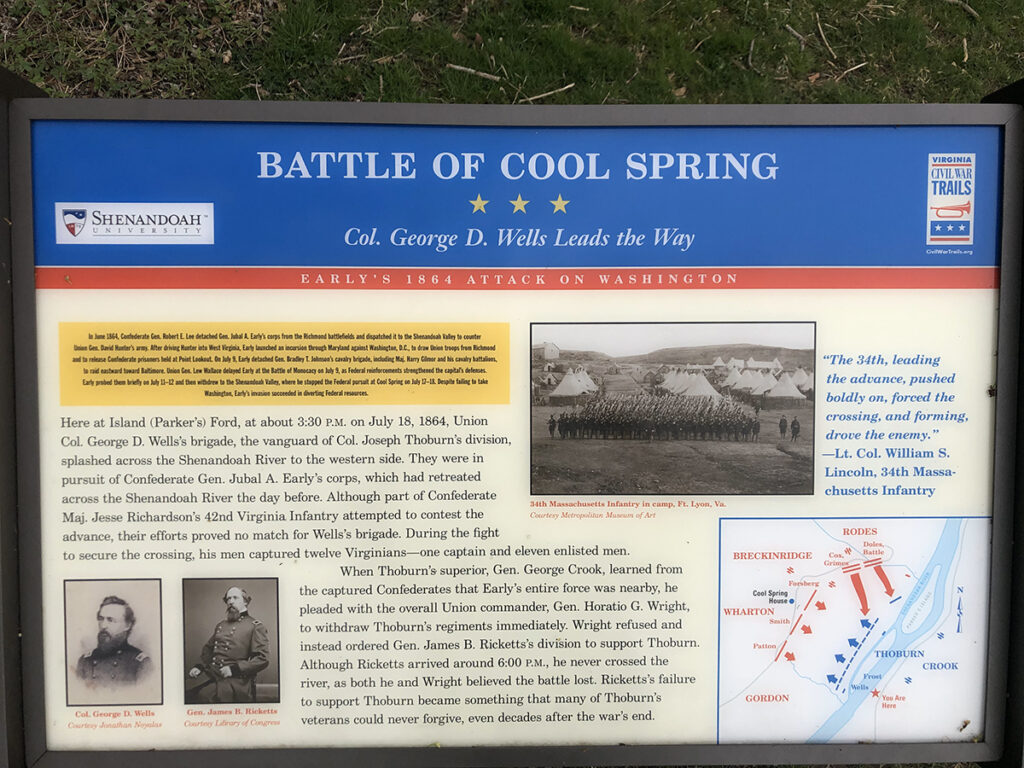
t was July 12, 1864. After leading a somewhat successful raid into Washington, DC, with the US Capitol in his sights, Confederate general Jubal Early made the decision to withdraw back into Virginia upon hearing about additional Union reinforcements on their way to defend the nations capital. Nonetheless, Early still considered their campaign a success. Calling his staff together to inform them of his decision to return to Virginia he declared "Major, we haven't taken Washington, but we scared Abe Lincoln like hell!" Four days later he and his troops crossed the Blue Ridge Mountains at Snickers Gap and entered the Shenandoah Valley hoping for a bit of rest. On July 16-17, he and his men crossed the Shenandoah River and established a temporary base near Berryville, Virginia, hoping for a bit of rest. That rest never came. Hearing reports of a Union cavalry pursuing through the Blue Ridge, Early ordered Maj. Gen. John C. Breckinridge to send two divisions back to block any Union attempts to cross the Shenandoah River at nearby Castleman’s Ferry (now known as Cool Springs). Meanwhile, Union commander Wright decided to attack and force a river crossing on July 18, 1864. The ensuing battle became the largest and bloodiest Civil War battle fought in Clarke County and was a victory for the Confederates.