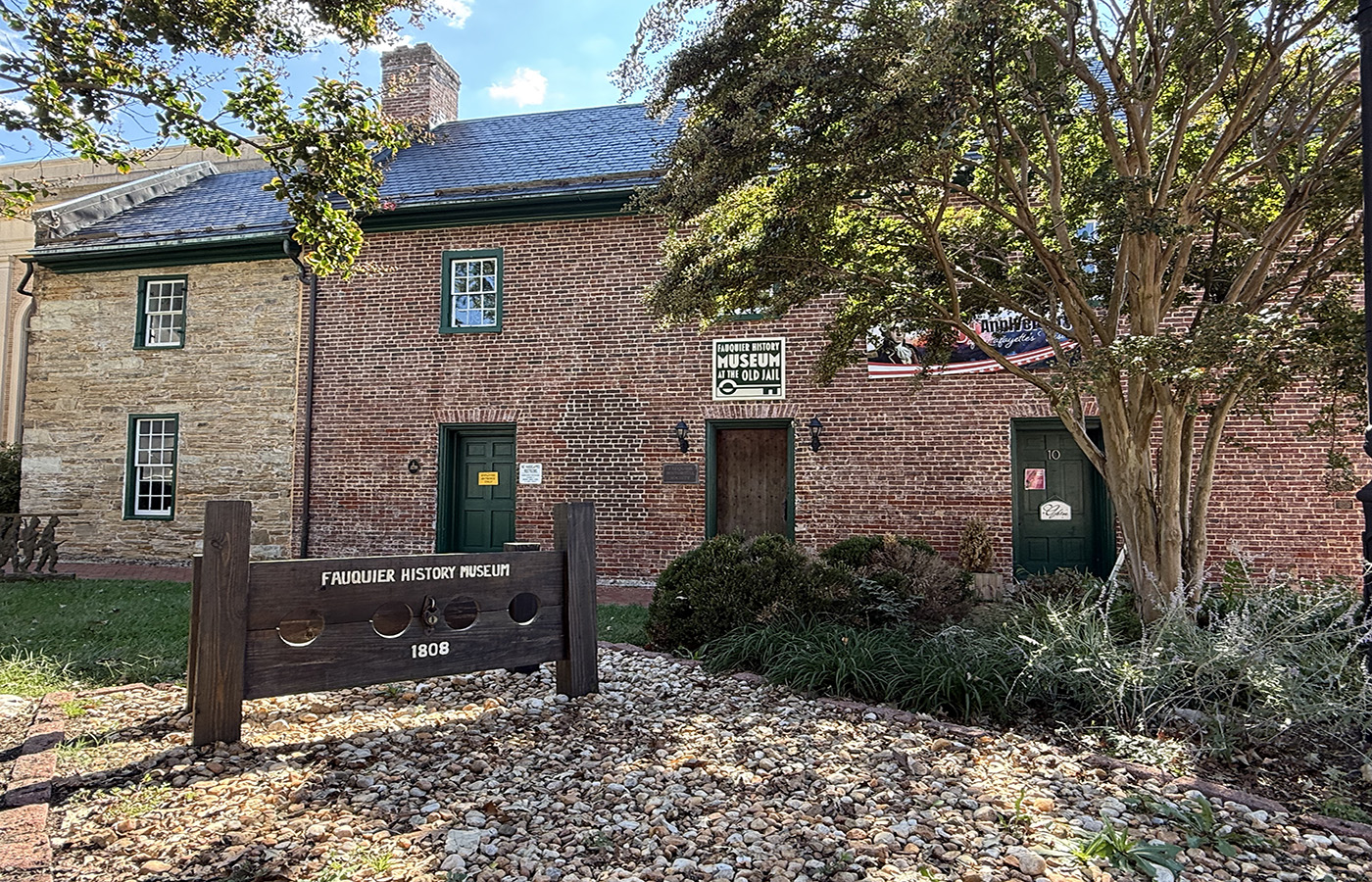
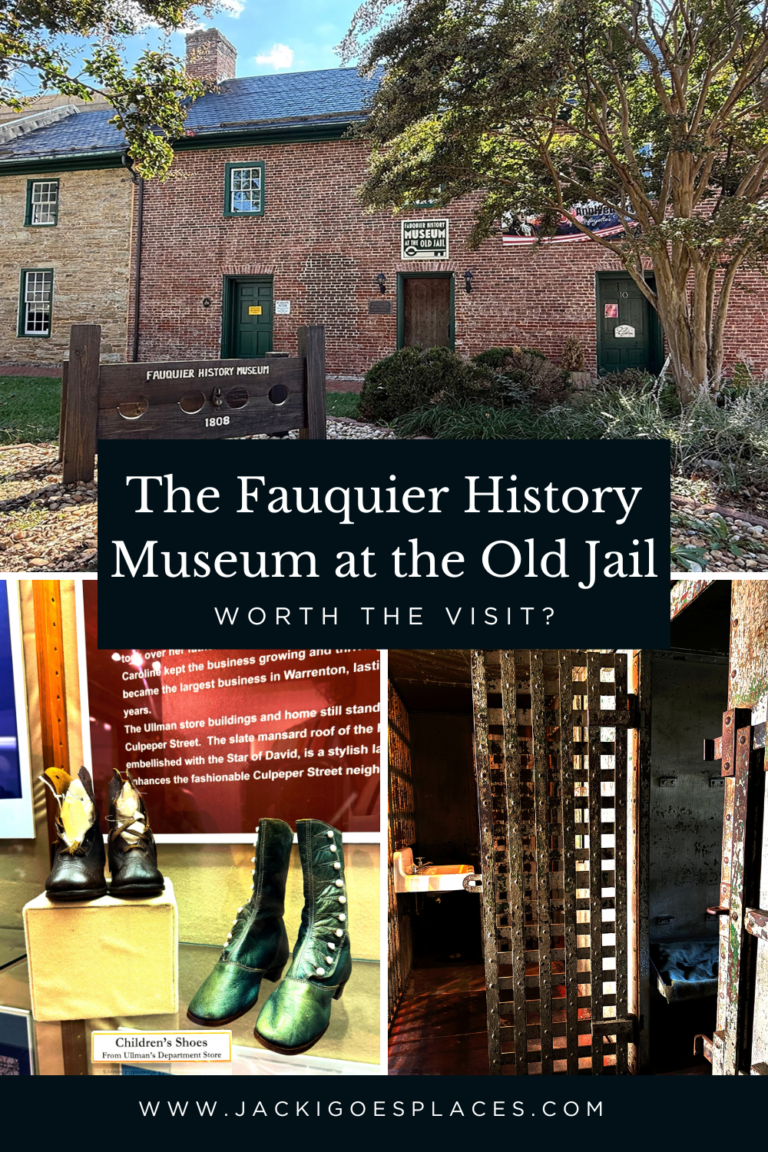
You all know that I love museums. I love the large, the small, the world-renowned and the obscure. I really enjoy visiting local historical society museums wherever I go — you always learn something cool and fascinating. So today I am turning my attention to a museum that is just down the street from me…the Fauquier History Museum at the Old Jail in my hometown of Warrenton, Virginia!
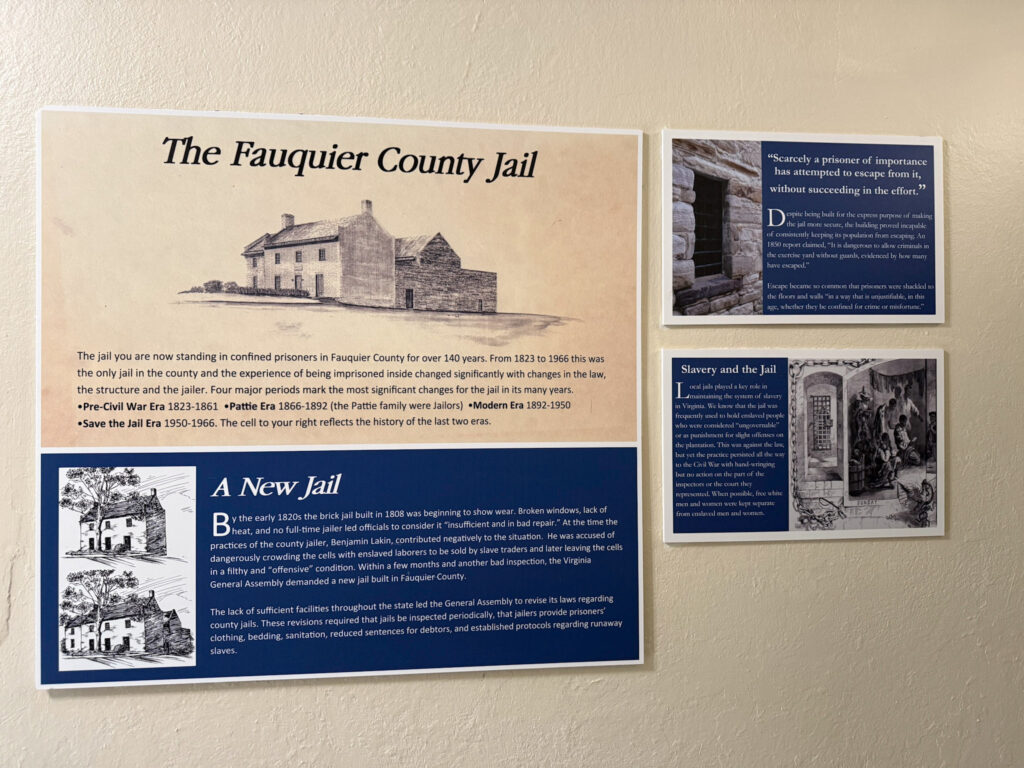
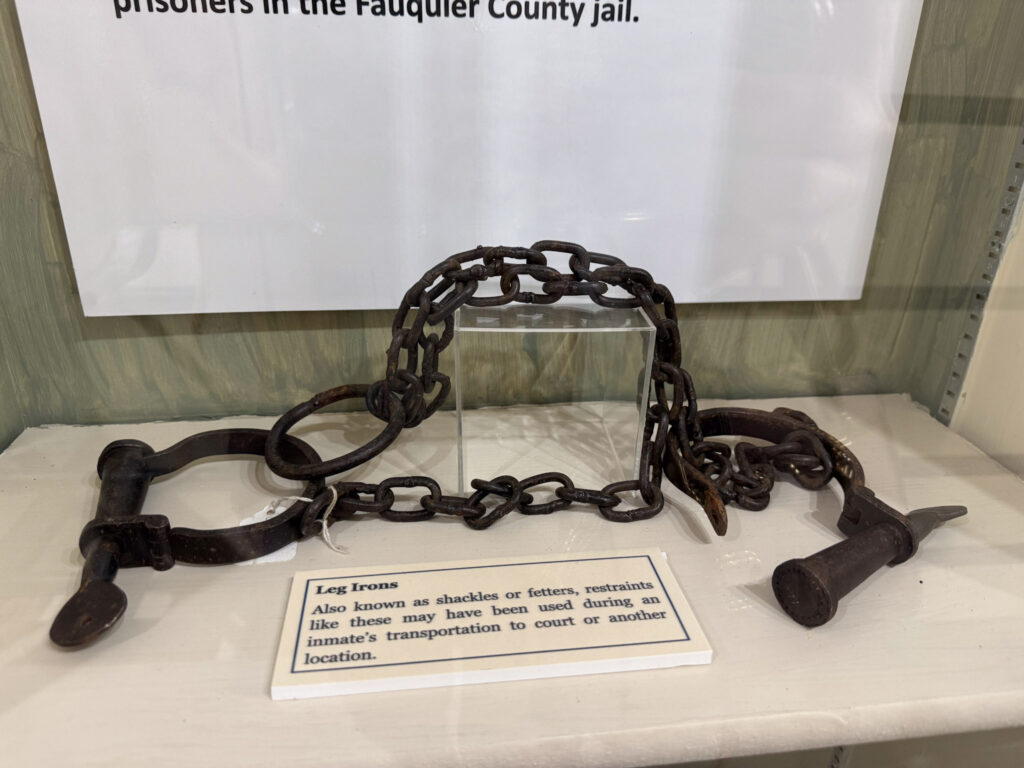
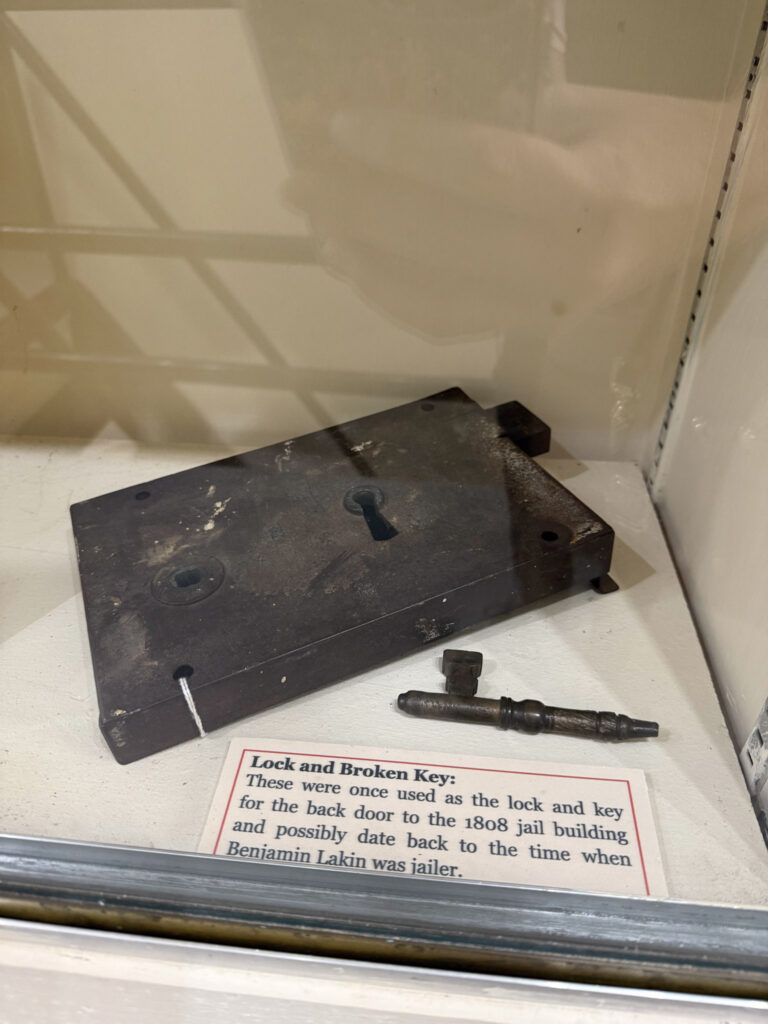
And it’s exactly what it sounds like. It’s a building complex that used to be a jail that was then turned into a museum. Built in 1808, the front portion of the jail contained four small cells, each of which was approved to house 40 prisoners. You can’t tell today, but back when the jail was first opened conditions there were deplorable. With four packed cells, no heat, no floor, no full time jailer, no regular meals, and no one to let the prisoners out to go to the bathroom either the result was a lot of disease.
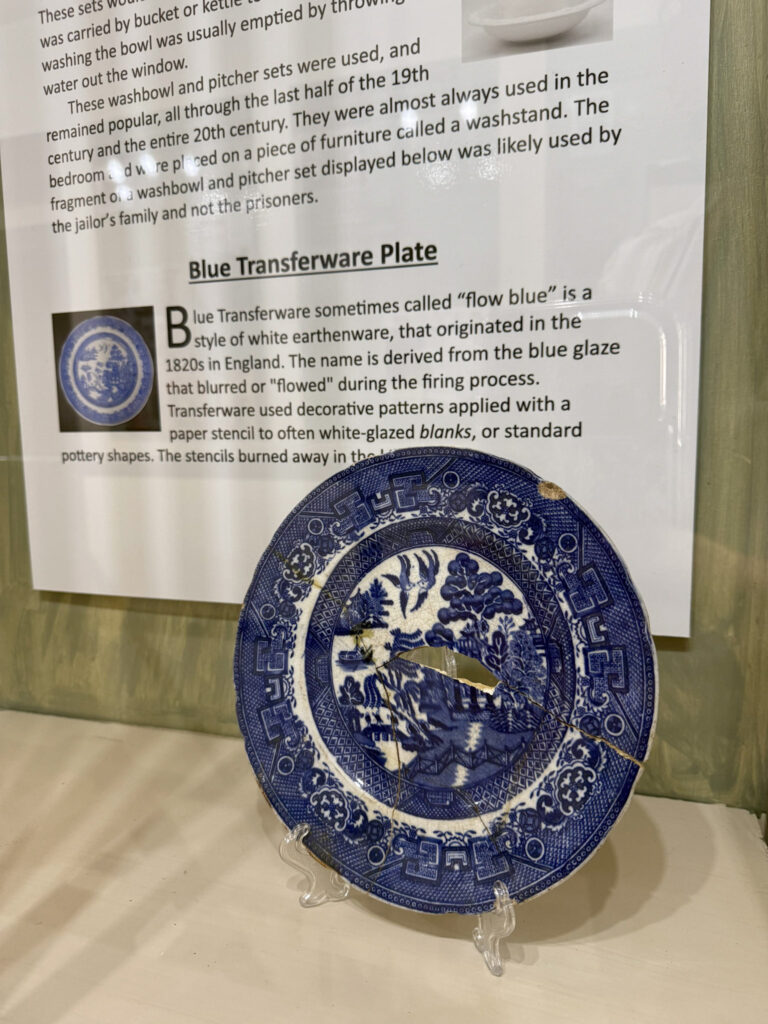
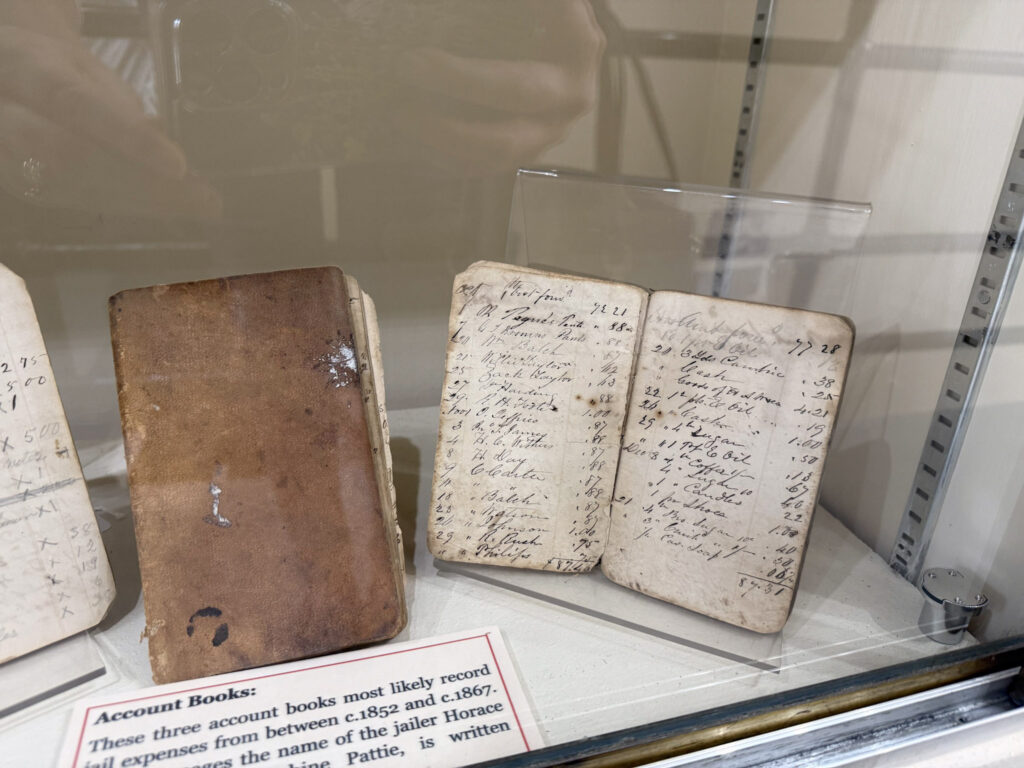
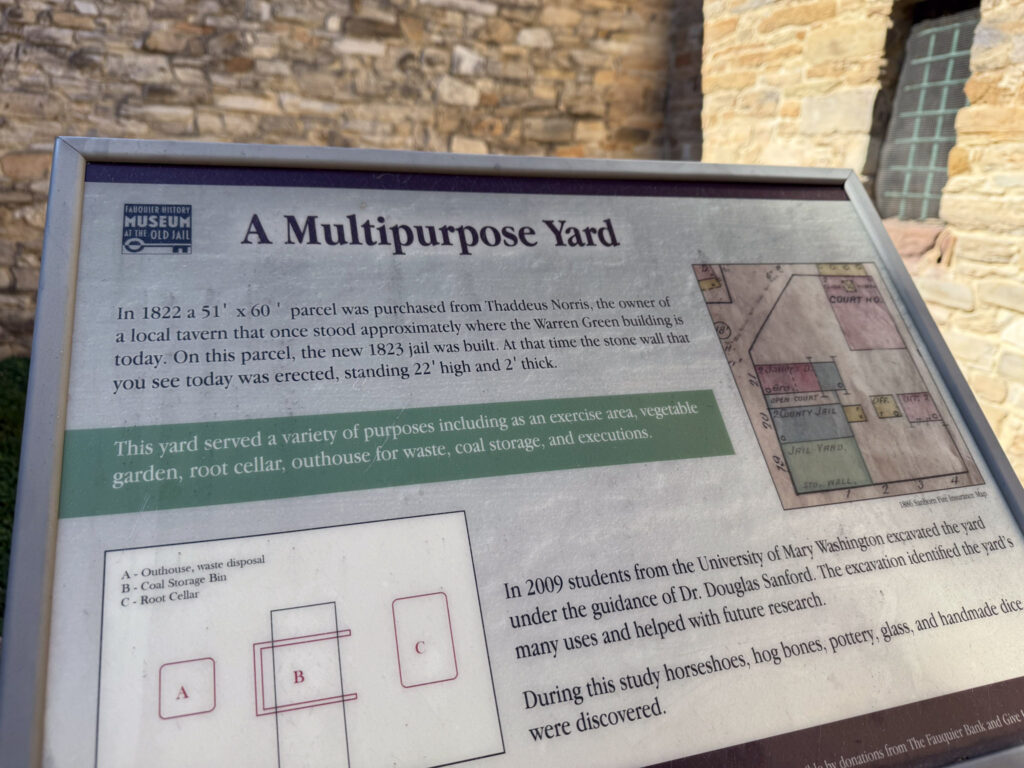
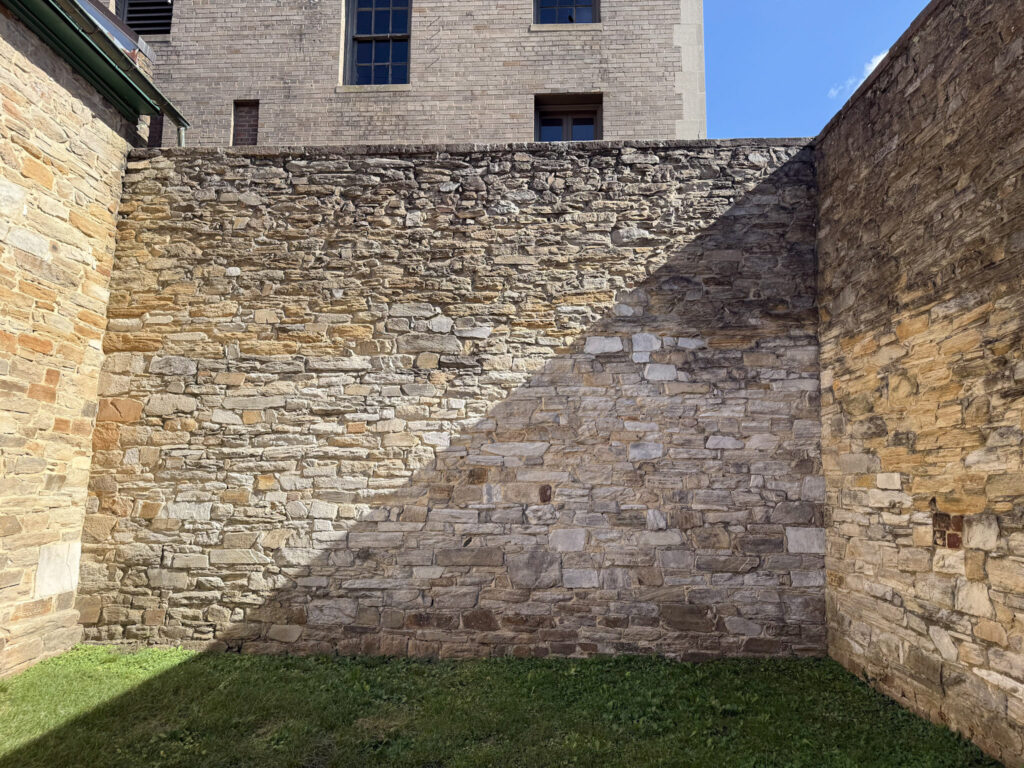
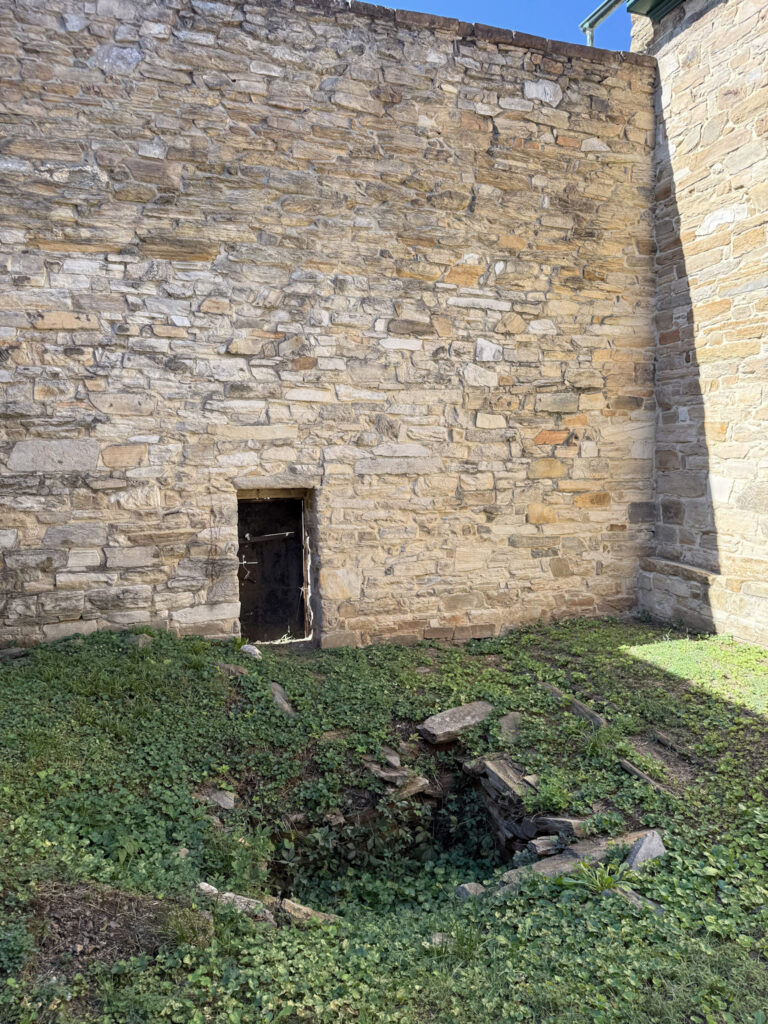
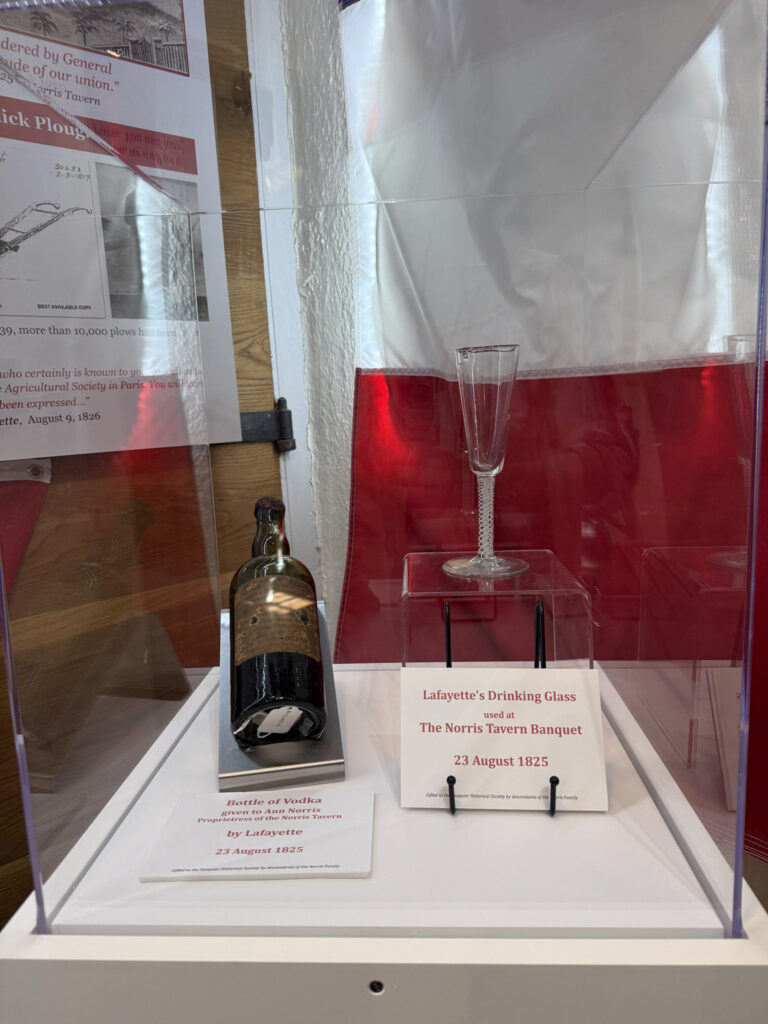
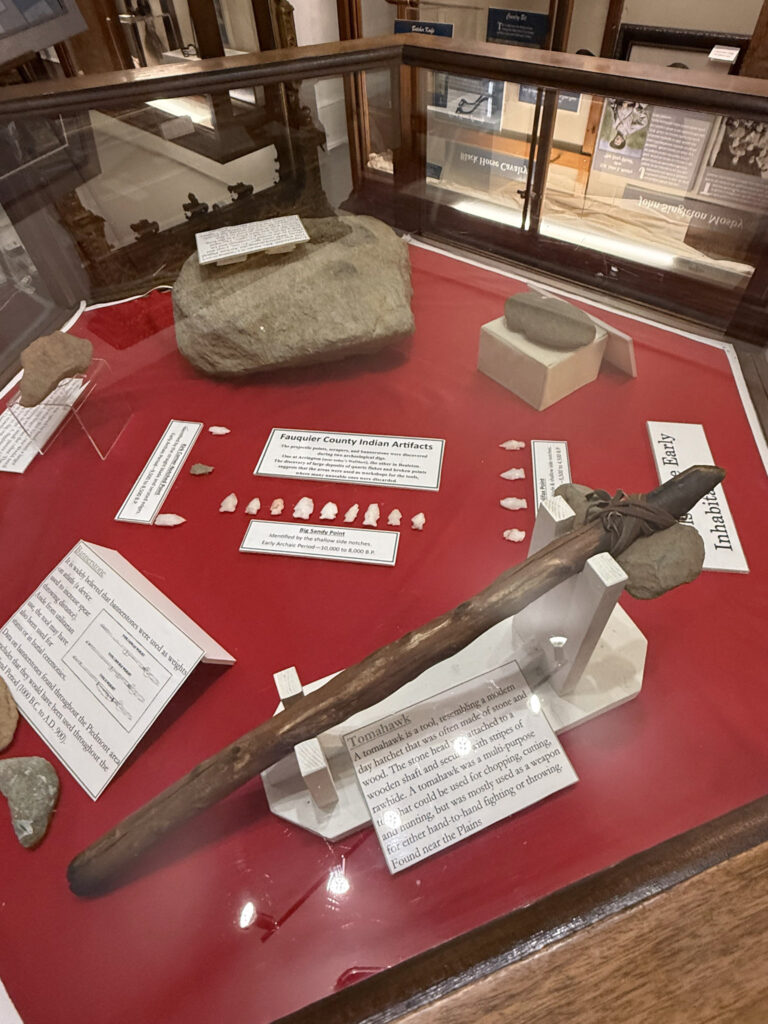
In 1823 a new stone jail complete with a hanging/exercise yard was built to the rear of the older structure and the original 1808 jail was converted to a house for the jailor and his family. Surprisingly, the jail was fully operational until it’s closure in 1966. Today the museum documents not only the history of the old jail itself, but also the history of Fauquier County and the town Warrenton. Museum exhibits include the original jail structures along with a collection of items starting with Native American artifacts found around the county through present day. Most of artifacts that make up the museum’s exhibits have all been donated over the years by generous local citizens.
Upon opening the door to the museum you will be greeted either by one of the museums full-time employees or a volunteer who will take your entrance fee and give you a brief history of the jail and what you will see in the museum. After that, the best way to start your visit is by watching the six minute film in the museums newly-installed theater room, which is located in the 1824 stone building. Last year we attended the movie premier and was quite impressed by the production. There is a lot of information packed in the short film, highlighting interesting stories of some of the prisoners that were incarcerated during the jails 200 year history. In fact, even though I have visited the museum many times over the years, I even learned some new fun facts!
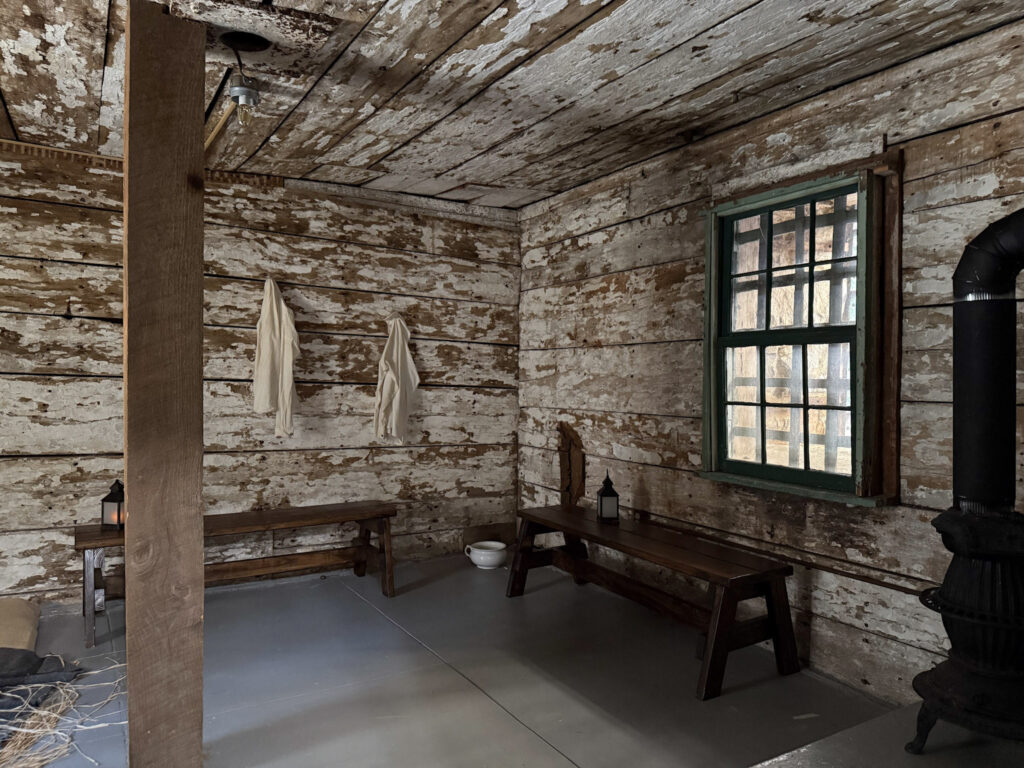
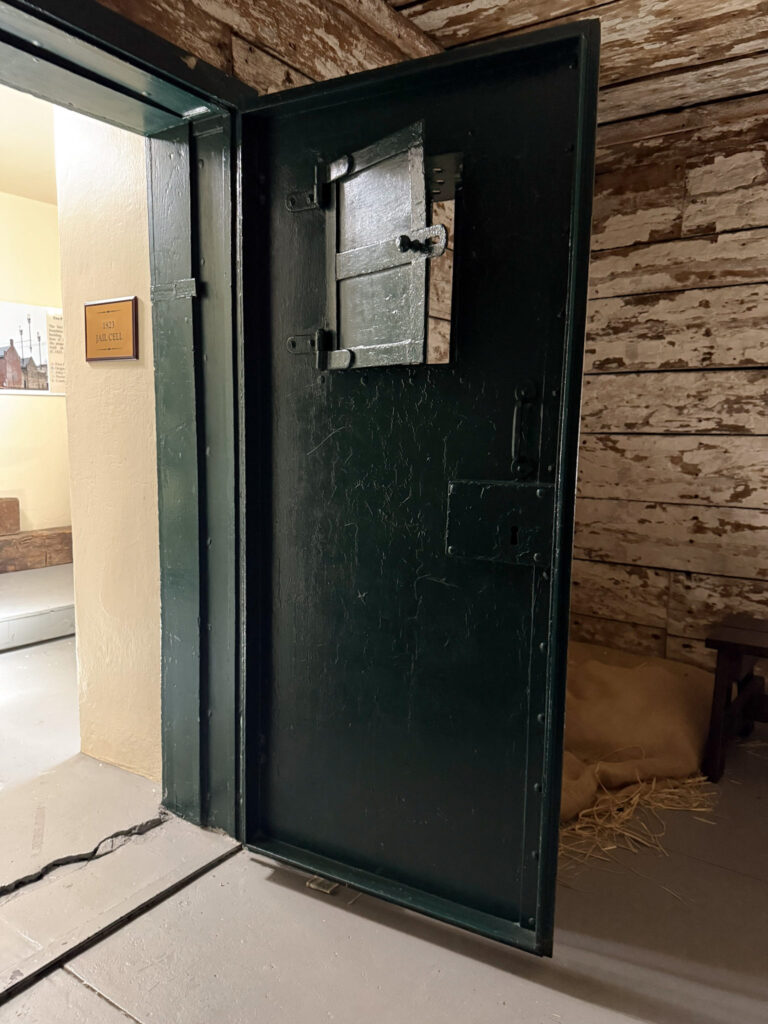
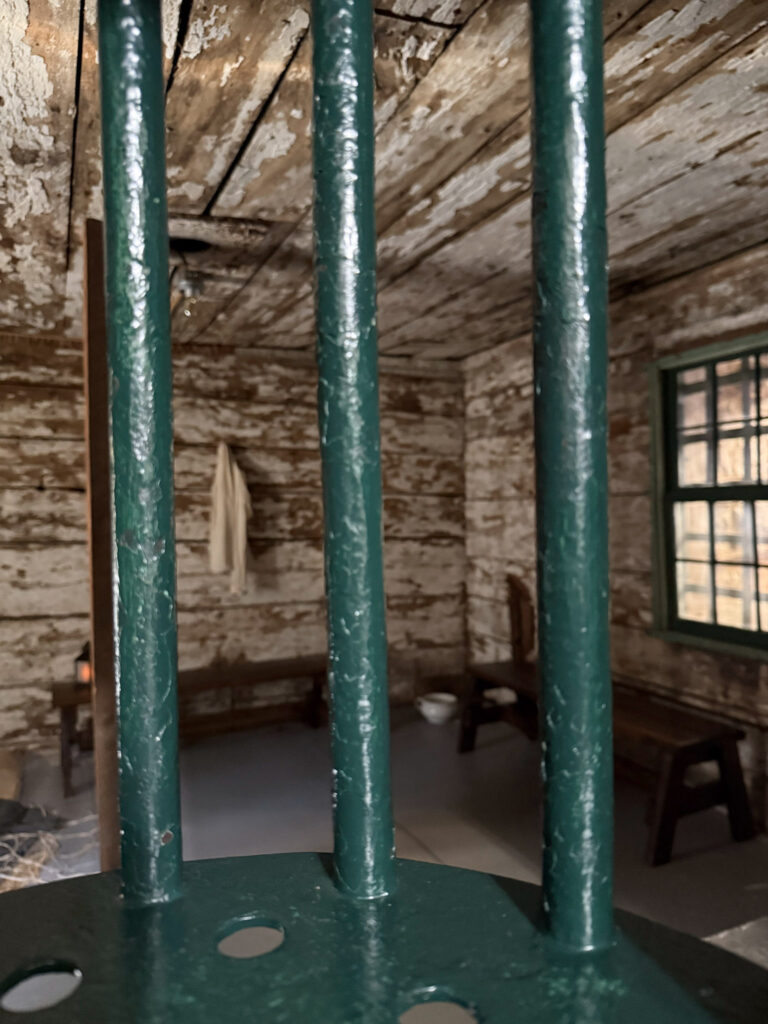
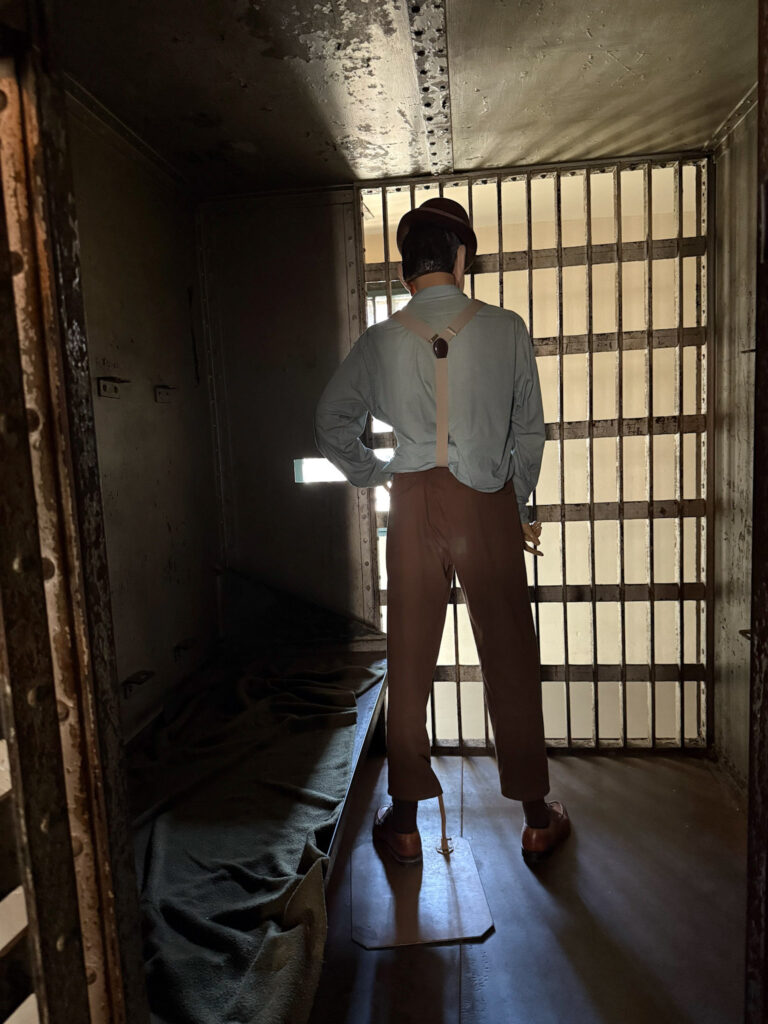
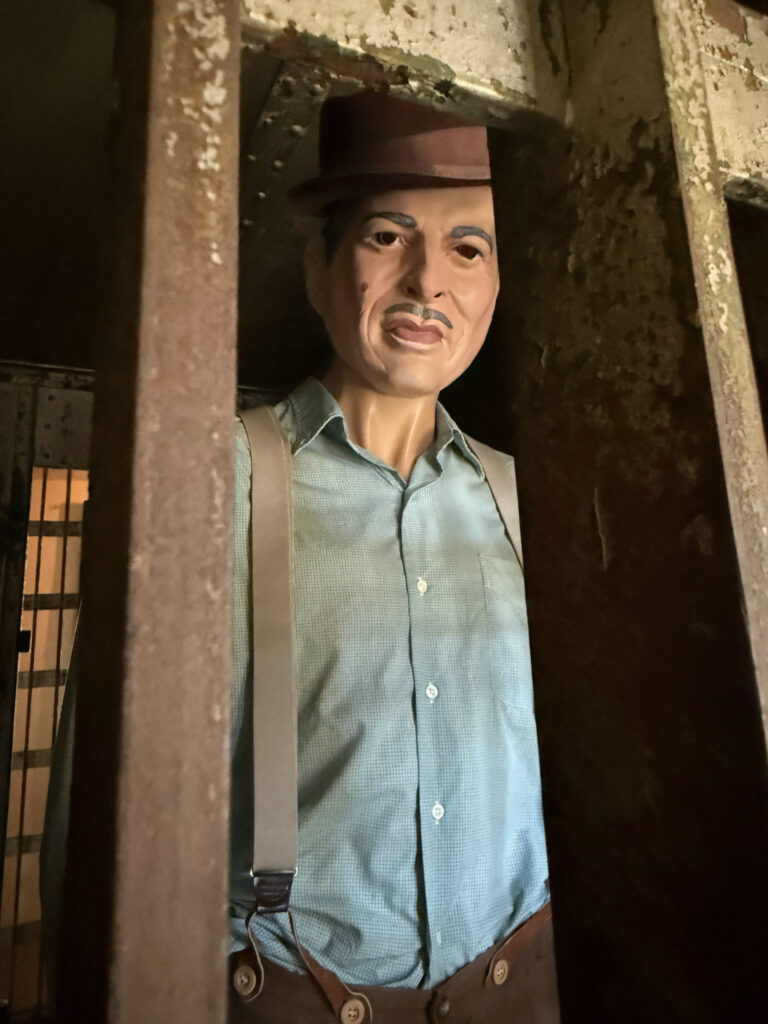
After watching the film, it only makes sense to explore the rest of the 1823 building first. Across from the theater room is a cell set up as it would appear in the 1820’s. Looks really comfy, doesn’t it?
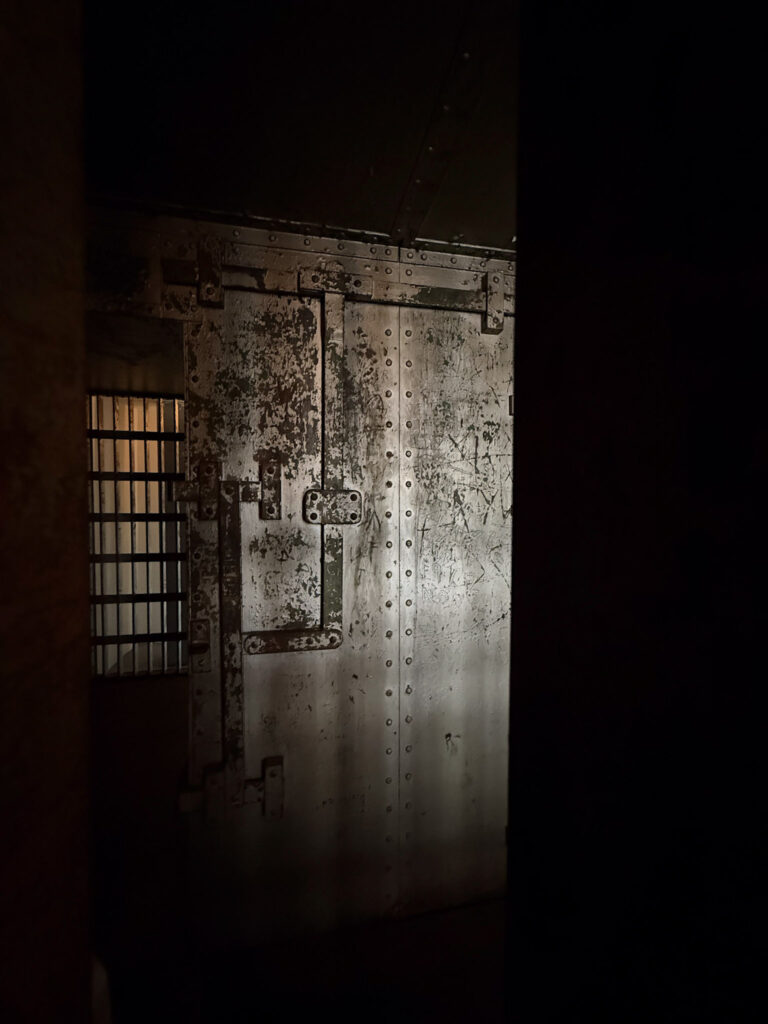
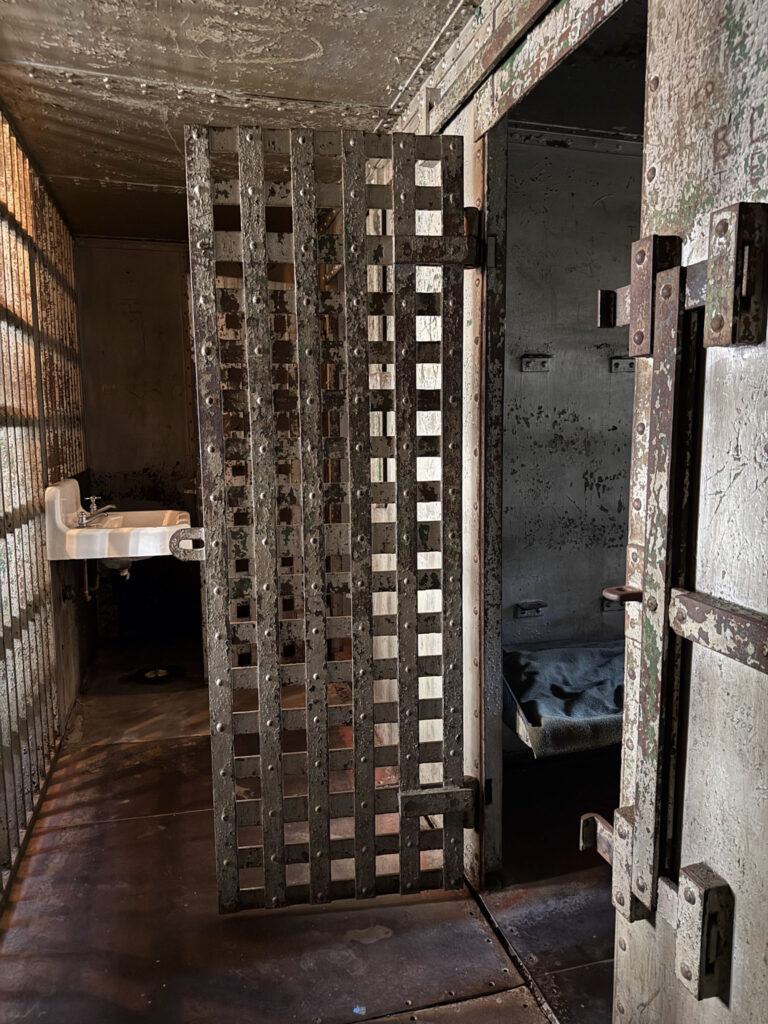
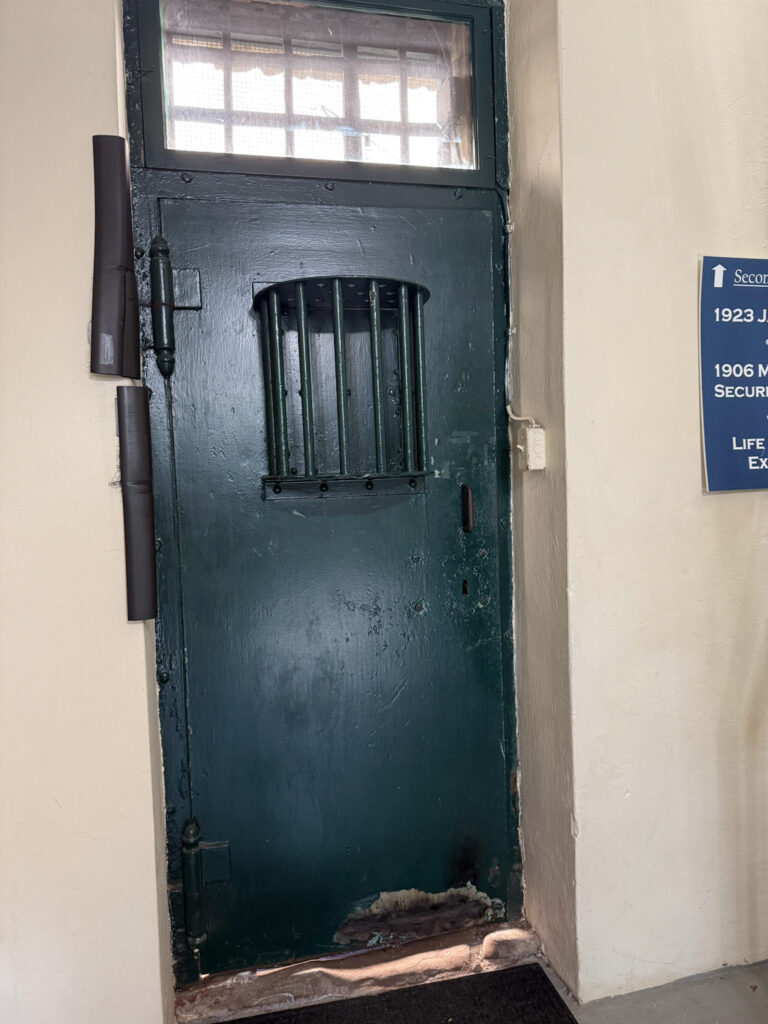
Now for me the most interesting room in this building is the maximum security cell block installed in the early 1900’s known as The Cage. To see it you have to go up a narrow set of stairs. I find it rather chilling with its metal cells, along with the graffiti on its walls and peeling paint. Even though there are only two cells, each cell was designed to hold up to 4 prisoners. Definitely not a place I would have wanted to spend any time in.
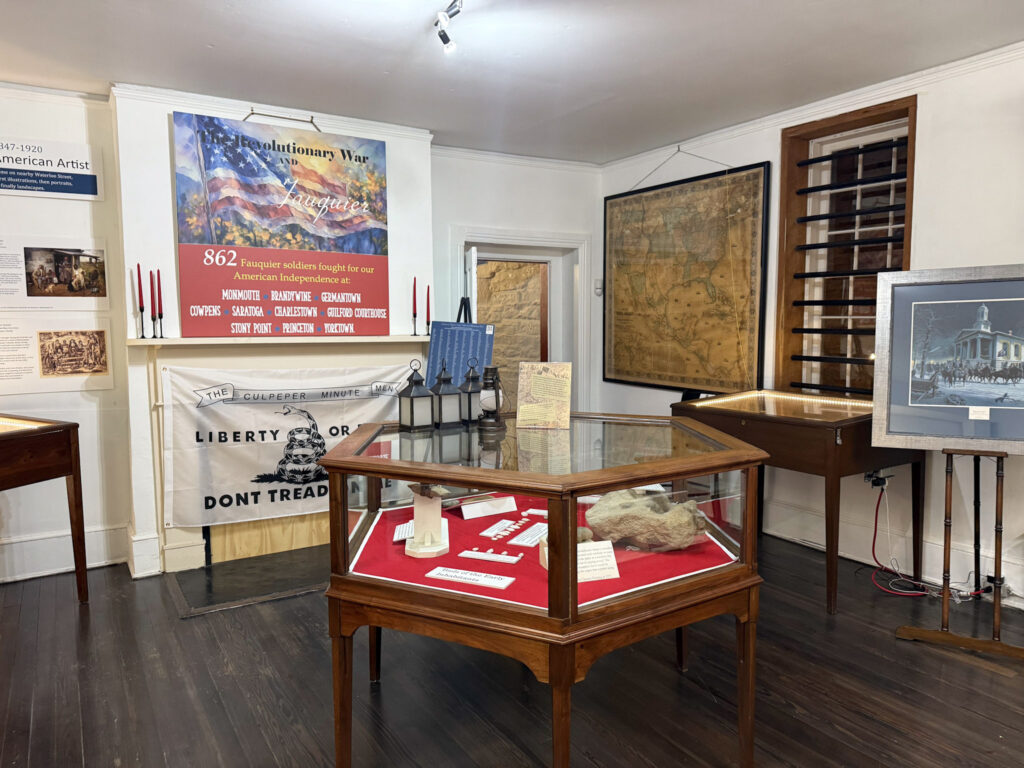
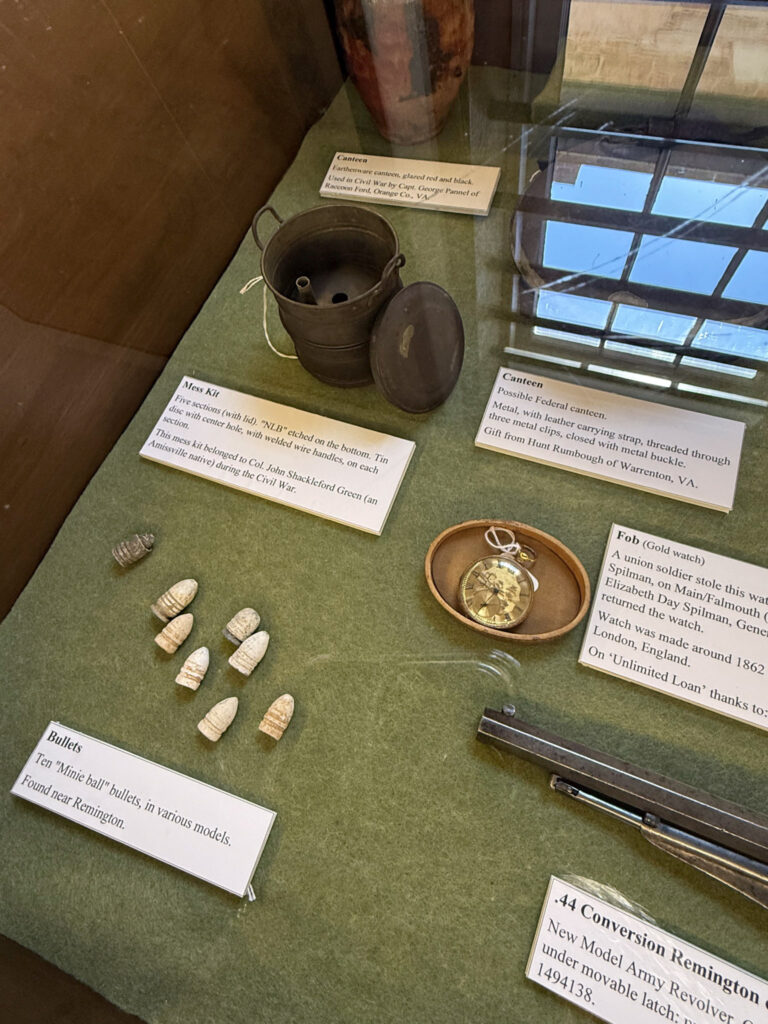
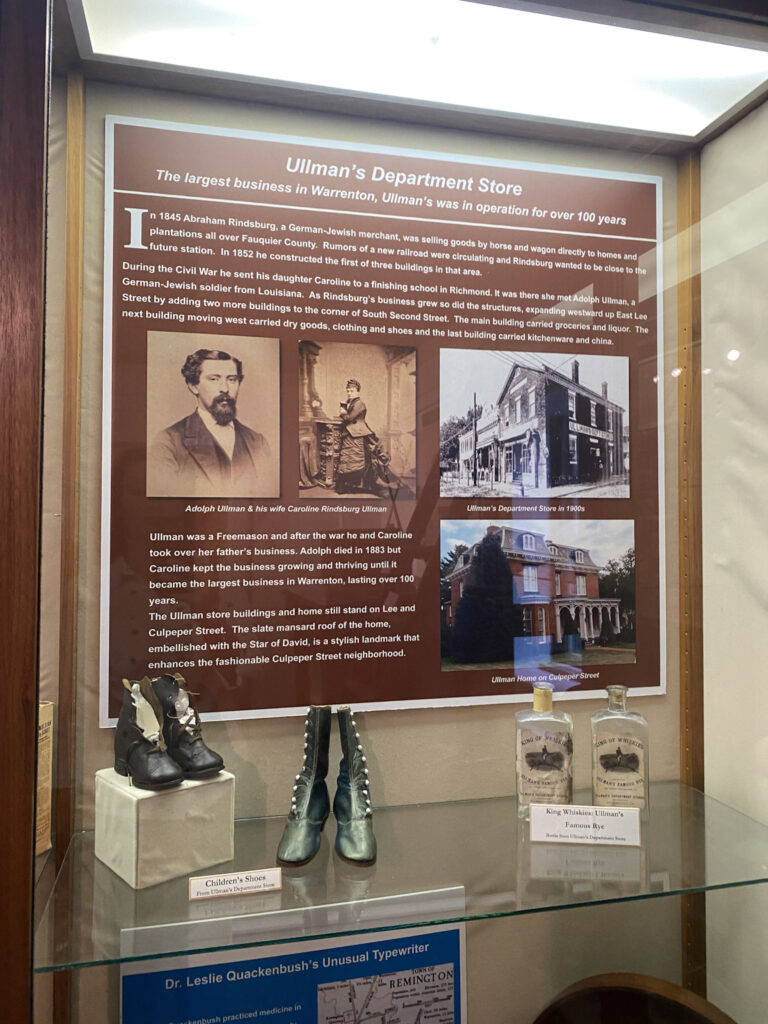
Once you are done you can head back over to the original 1808 building to finish your tour. On the first floor you will see some exhibits pertaining to Fauquier County history starting with Native Americans through the Civil War.
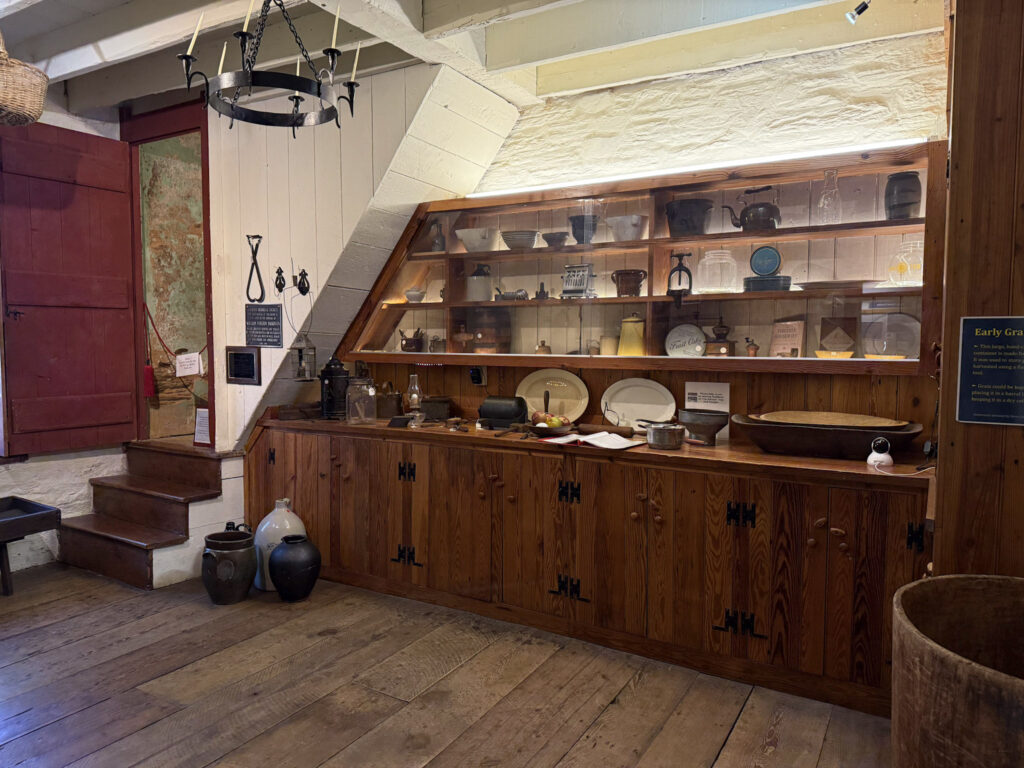
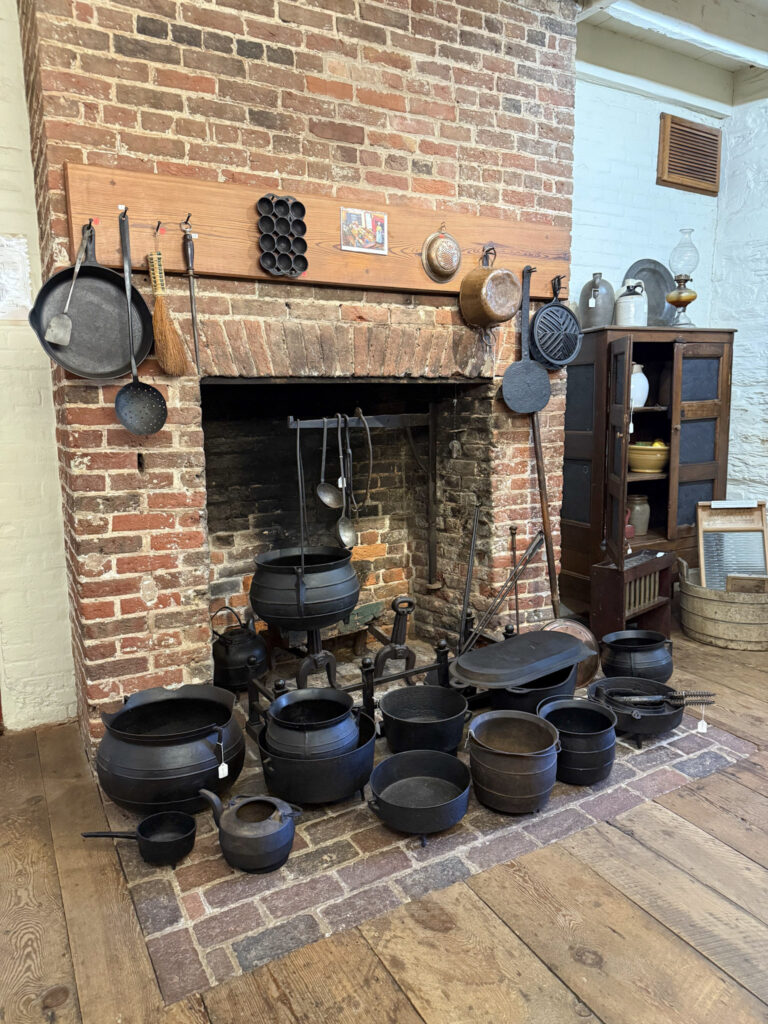
After the maximum security jail cells, the kitchen here is my second favorite exhibit. Not only because I love to cook, but it makes me wonder about and appreciate the heart of a woman that would spend her days cooking not only for her own family, but for all of the prisoners as well.
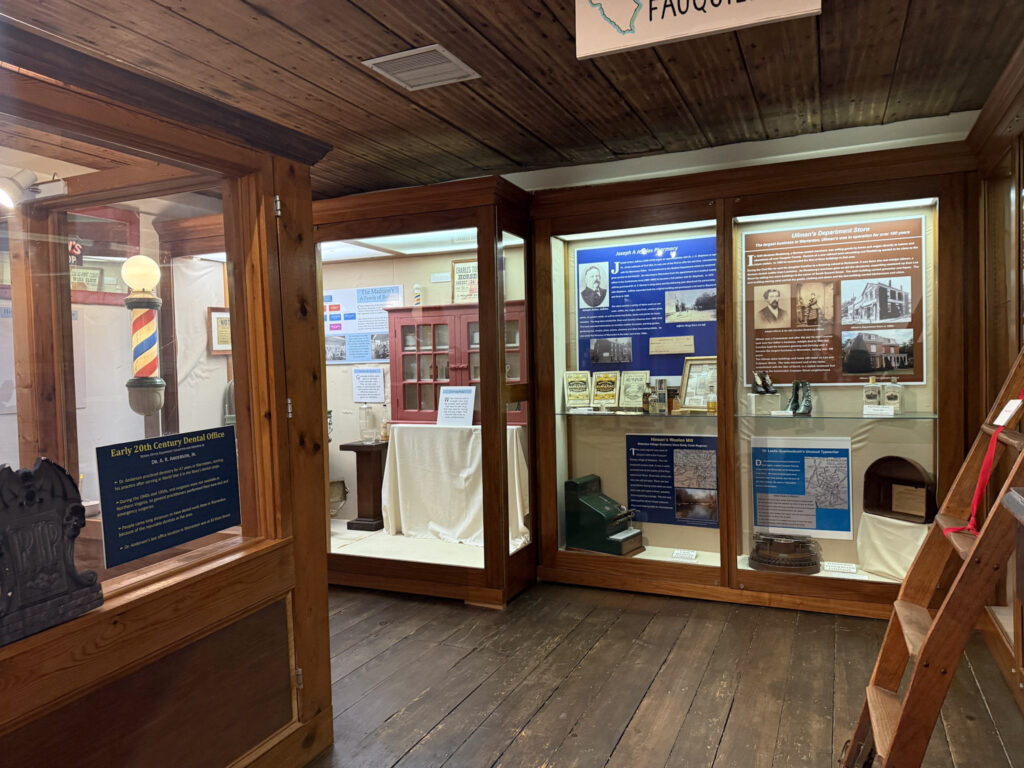
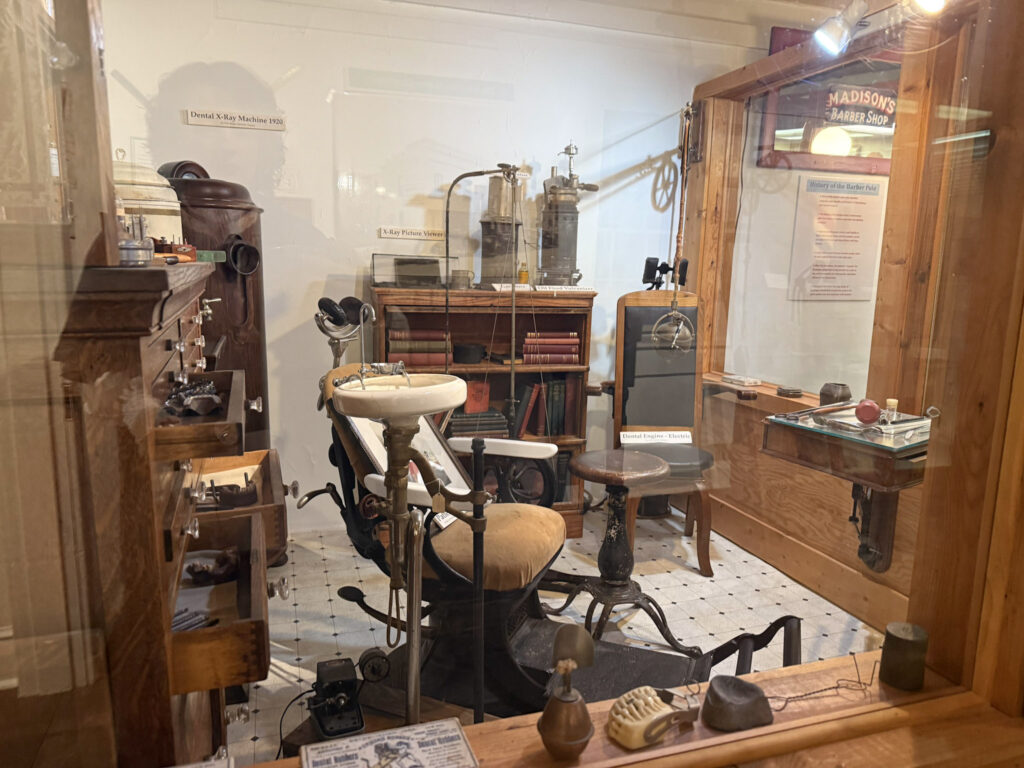
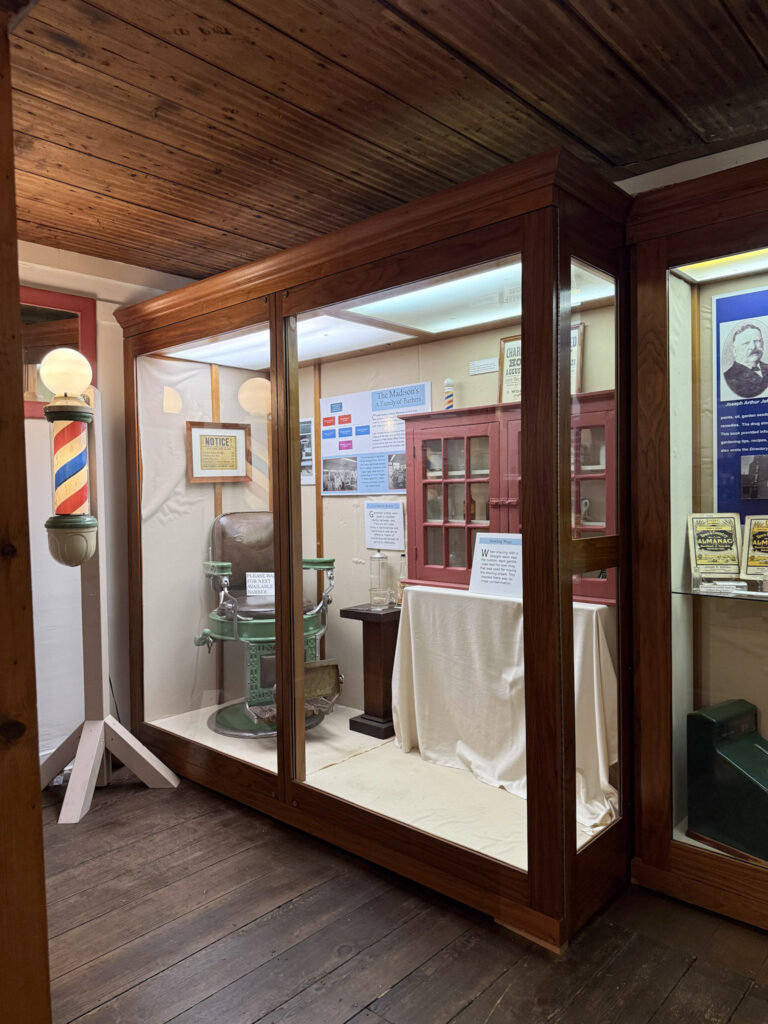
Upstairs you will find a room that focuses on Warrenton at the beginning of the 20th century. One section of the room is set up like an old dentist office and another area an old barber shop.
Now, since many executions and deaths took place here over it’s 200 year history, you are probably wondering if this place is haunted. Not only is the jail one of the oldest jails in entire state of Virginia, but is also considered to be one of the most haunted locations in Northern Virginia. In fact, quite a few ghosts still serve out their sentences at the old jail. Staff and volunteers frequently report hearing footsteps when no one is around, the sounds of something heavy being dragged across the floor and playful ghosts sometime perform pranks like turning the lights on and off in the 1823 building. Sometimes people even smell things that aren’t there. For example, there is a story about the jailers wife who died in the kitchen when her dress caught on fire. Sometimes when volunteers and staff arrive in in the mornings they will smell fresh brewed coffee or a pot roast cooking.
Among the paranormal fans of the jail, many seem to have a “favorite” spirit in the jail, a young girl known as “Josie” occupies the office area of the main building. She is rumored to be one of the jailers daughters, who passed away at the jail in the 1870’s at the age of 11. She sometimes comes through via small footsteps running through the office. She is also known to give “hugs” through a tool called ‘Dowsing Rods’. My daughter Emma sometimes volunteers at the museum and has been visited by Josie as well. She can feel her presence and sometimes gets a little tap on the shoulder.
Even in the days the jail was active, there was already some known paranormal activity. One story is about a man named Mr. McGhee. In the 1920’s he was arrested on account of arson (he was suffering from what was most likely dementia and tried to burn his house down with himself still inside) so he was arrested and brought to the prison. He passed away in his cell due to pneumonia. Months later a woman was arrested and placed in the very cell he passed away in. In court the woman noted she had a visitor…an old man with a long white beard who came to her cell every night without saying a word.
KNOW BEFORE YOU GO
Location: The museum is located at 10 Ashby Street in Old Town Warrenton, between the Fauquier County courthouse and Red Truck Bakery.
Hours: The museum is open 11 AM – 4 PM Wednesday through Monday. The museum is closed on Thanksgiving, Christmas Eve, Christmas Day, New Year’s Day, Easter, Fourth of July, and Labor Day.
Cost: Adults $6; Military & Seniors $4; Students (with ID) $2; Children 6 and over $2; Children under 6 free
Unfortunately, the museum is not handicap accessible.
Make sure you check their Facebook page as they frequently update it with special events and fun historical facts!
I hope you get a chance to visit the Old Jail Museum sometime soon. And if you do, don’t forget to say hello to Josie while you are there!
Spending More Time in Warrenton?
If you’re not quite ready to leave Warrenton at the end of the day, I’ve rounded up a few places where you can spend the night. We’ve had friends and family personally stay at the first two, and we love the restaurant attached to Airlie Hotel!
Hampton Inn Warrenton – If you’re looking for a comfortable, no-fuss place to stay, the Hampton Inn is a convenient choice